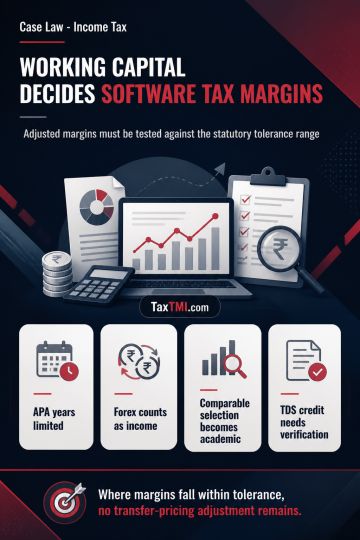
Working-capital adjustment determines whether software-services transfer-pricing margins fall within the statutory tolerance range, eliminating any ad...
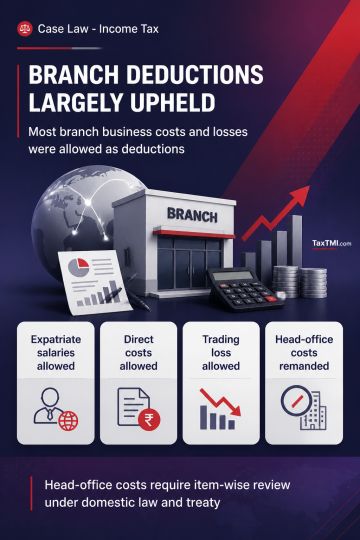
Permanent establishment deductions upheld for expatriate salaries, direct costs and trading losses, while head-office costs require fresh classificati...
Data transmission equipment classification under CTSH 8517 62 remains distinct from residual classification, with exemption evidence requiring scrutin...
The CESTAT held that although the appellants and the joint venture company are interconnected undertakings under Section 4(3)(B) of the Central Excise Act, they do not qualify as related persons under sub-clause (ii), (iii), or (iv) of clause (b) of the same provision due to the absence of mutuality of interest in each other's business. The Department's reliance on increased dividends as evidence of interest was rejected, as prior litigation established no such mutuality. Consequently, valuation under Rule 10(a) read with Rule 9 was inapplicable. The tribunal set aside the demand and allowed the appeal, affirming that the valuation must not be based on the provisions invoked by the Department.
The CESTAT held that although the appellants and the joint venture company are interconnected undertakings under Section 4(3)(B) of the Central Excise Act, they do not qualify as related persons under sub-clause (ii), (iii), or (iv) of clause (b) of the same provision due to the absence of mutuality of interest in each other's business. The Department's reliance on increased dividends as evidence of interest was rejected, as prior litigation established no such mutuality. Consequently, valuation under Rule 10(a) read with Rule 9 was inapplicable. The tribunal set aside the demand and allowed the appeal, affirming that the valuation must not be based on the provisions invoked by the Department.
Note: It is a system-generated summary and is for quick reference only.
 TaxTMI
 of 4801









 Join Channel


 TaxTMI