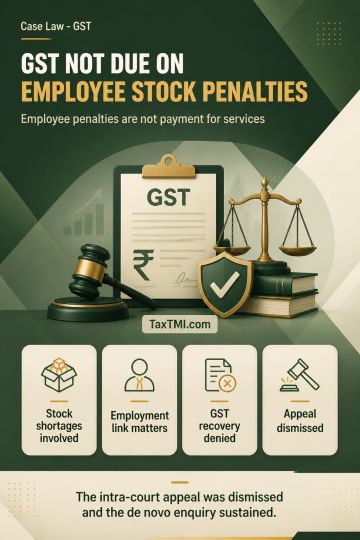
Employee stock-shortage penalties do not constitute consideration for services, preventing GST collection under Schedule II in employment relationship...
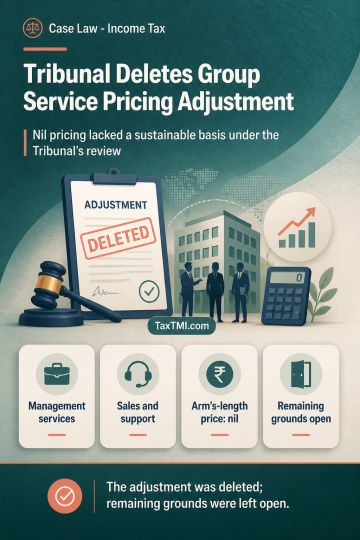
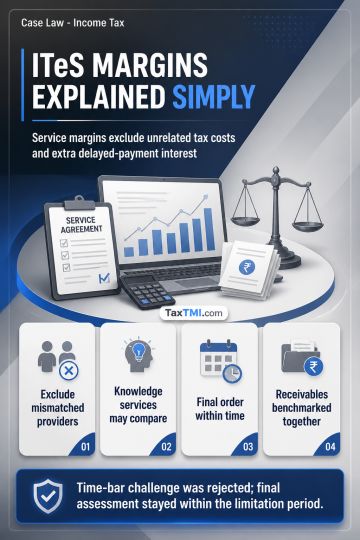
Transfer-pricing treatment of ITeS margins excludes pass-through tax recoveries and separate delayed-receivables interest after working-capital adjust...
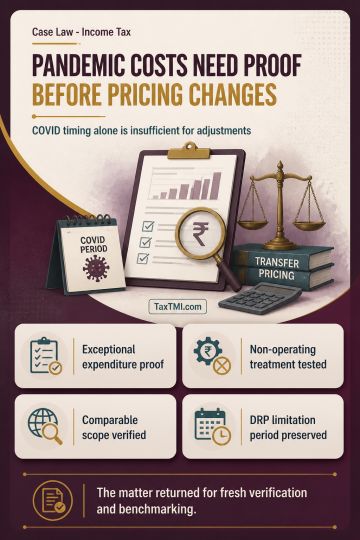
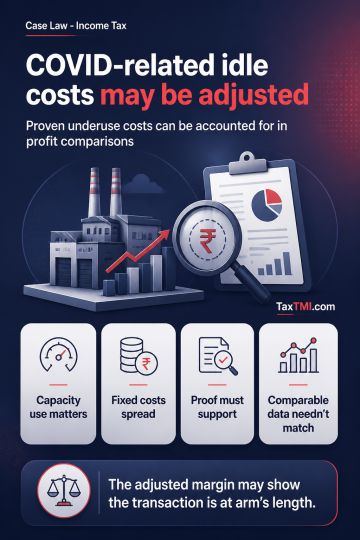
Capacity-utilisation adjustments under TNMM can neutralise substantiated COVID-related idle costs where underutilisation materially affects profitabil...
Page of 4830
Press 'Enter' after typing page number.
181 to 200 of 96587 Results
❮
❯
❯❯
0 / 200
Expand Note
Add to Folder
No Folders have been created
+
Are you sure you want to delete "My most important" ?
The HC set aside the Appellate Award as time-barred under Section 34 of the Arbitration Act for violating public policy. The reconstituted Appellate Tribunal exceeded the mandatory three-month timeframe prescribed under NSE Bye-Law 19(b) and SEBI Circular Clause 6.5, passing the award beyond the permissible extension period without proper authorization. The court held that limitation periods in arbitration serve public policy by ensuring expeditious dispute resolution, and the use of "shall" in the bye-laws creates mandatory timelines. The petitioner's filing of written submissions did not constitute waiver of objection rights to the tribunal's mandate, and excessive delays contravene arbitration's fundamental purpose of swift justice.
The HC set aside the Appellate Award as time-barred under Section 34 of the Arbitration Act for violating public policy. The reconstituted Appellate Tribunal exceeded the mandatory three-month timeframe prescribed under NSE Bye-Law 19(b) and SEBI Circular Clause 6.5, passing the award beyond the permissible extension period without proper authorization. The court held that limitation periods in arbitration serve public policy by ensuring expeditious dispute resolution, and the use of "shall" in the bye-laws creates mandatory timelines. The petitioner's filing of written submissions did not constitute waiver of objection rights to the tribunal's mandate, and excessive delays contravene arbitration's fundamental purpose of swift justice.
Note: It is a system-generated summary and is for quick reference only.
 TaxTMI
  TaxTMI
 of 4830





 Join Channel


