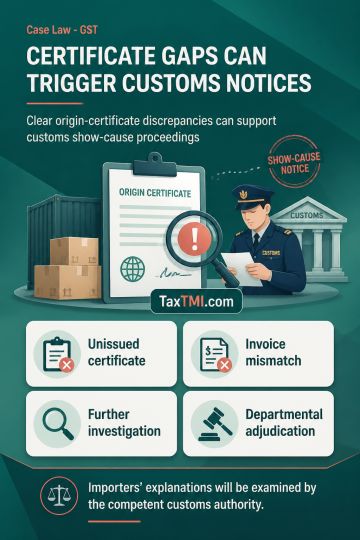
Jurisdictional facts in certificate-of-origin discrepancies can support customs show-cause proceedings, leaving factual explanations for departmental ...
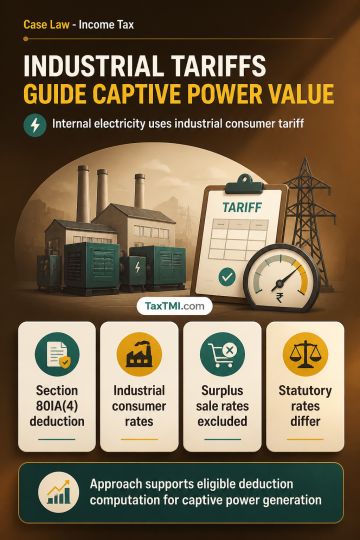
Market value for captive electricity consumption follows industrial consumer tariffs, supporting profit computation for the power generation deduction...
The HC dismissed a writ petition challenging GST assessment orders under Section 73(9) CGST/BGST Act, 2017. The petitioner claimed clerical errors caused turnover suppression totaling Rs.4,41,27,934.50 across December 2018 and January 2019 returns, with mismatches between GSTR-3B and GSTR-1 filings. The assessing authority quantified liability for suppressed turnover, wrongful input tax credit utilization, and delayed tax payment. The appellate authority found insufficient evidence per clarificatory circular dated 27.02.2022 and Section 16(2). The HC held the assessment orders contained no natural justice violations or jurisdictional errors, noting available statutory remedy before the Tribunal. The Court declined to exercise extraordinary writ jurisdiction where adequate alternative remedies existed.
The HC dismissed a writ petition challenging GST assessment orders under Section 73(9) CGST/BGST Act, 2017. The petitioner claimed clerical errors caused turnover suppression totaling Rs.4,41,27,934.50 across December 2018 and January 2019 returns, with mismatches between GSTR-3B and GSTR-1 filings. The assessing authority quantified liability for suppressed turnover, wrongful input tax credit utilization, and delayed tax payment. The appellate authority found insufficient evidence per clarificatory circular dated 27.02.2022 and Section 16(2). The HC held the assessment orders contained no natural justice violations or jurisdictional errors, noting available statutory remedy before the Tribunal. The Court declined to exercise extraordinary writ jurisdiction where adequate alternative remedies existed.
Note: It is a system-generated summary and is for quick reference only.
 TaxTMI
 of 4805









 Join Channel


 TaxTMI