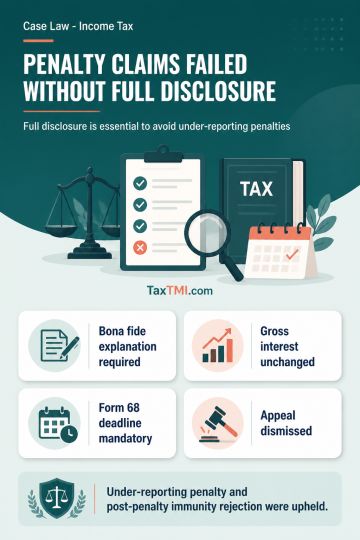
Bona fide disclosure requirements govern under-reporting penalties, and post-penalty immunity applications cannot secure available statutory protectio...
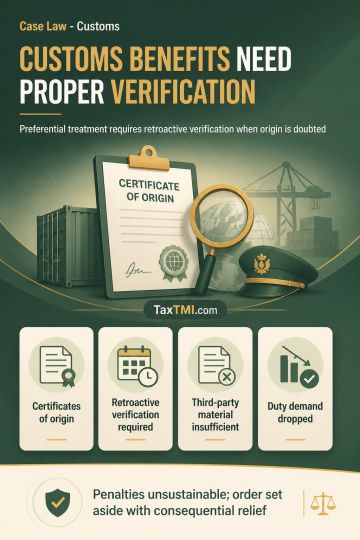
Certificate-of-origin verification procedure governs preferential customs benefits; denial without retroactive verification was set aside with consequ...
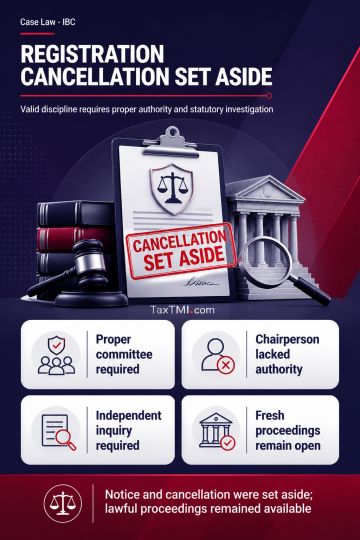
Disciplinary Committee jurisdiction and mandatory investigation requirements invalidated cancellation of an insolvency professional's registration and...
AAR ruled that potable drinking water supplied through tanker lorries to government institutions and private customers qualifies for GST exemption under Serial No. 99 of Notification 02/2017-Central Tax (Rate). The applicant collected water from wells, conducted purification through filtration and chlorination to meet drinking water standards, and supplied in bulk quantities via tankers with 2,000-30,000 kiloliter capacity. The Authority determined that basic purification methods like chlorination and filtration used by public utilities do not disqualify the water from exemption, and since water was not supplied in sealed containers but transported in bulk through tankers, it falls within the exempted category under the GST framework.
AAR ruled that potable drinking water supplied through tanker lorries to government institutions and private customers qualifies for GST exemption under Serial No. 99 of Notification 02/2017-Central Tax (Rate). The applicant collected water from wells, conducted purification through filtration and chlorination to meet drinking water standards, and supplied in bulk quantities via tankers with 2,000-30,000 kiloliter capacity. The Authority determined that basic purification methods like chlorination and filtration used by public utilities do not disqualify the water from exemption, and since water was not supplied in sealed containers but transported in bulk through tankers, it falls within the exempted category under the GST framework.
Note: It is a system-generated summary and is for quick reference only.
 TaxTMI
 of 4805






 Join Channel


 TaxTMI
