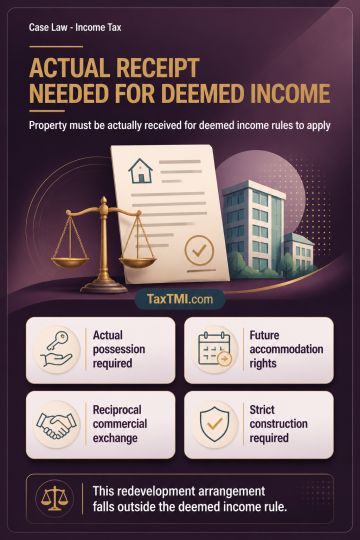
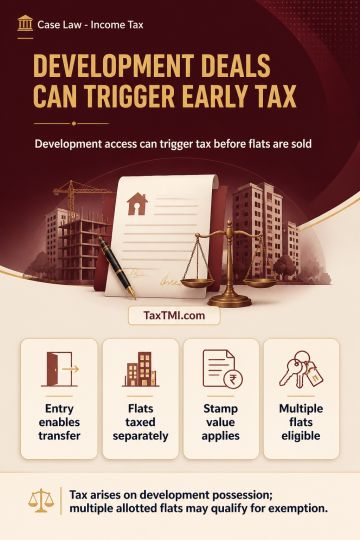
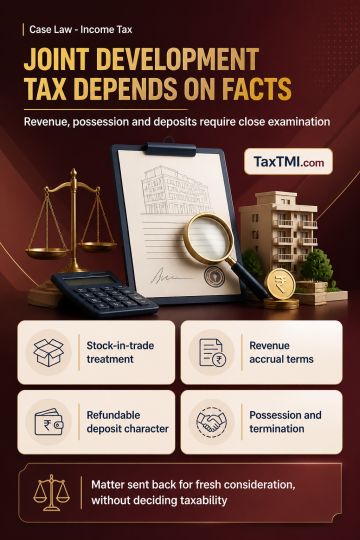
Receipt of immovable property requires actual possession or enjoyment; redevelopment allotments exchanged for tenancy rights fall outside deemed incom...
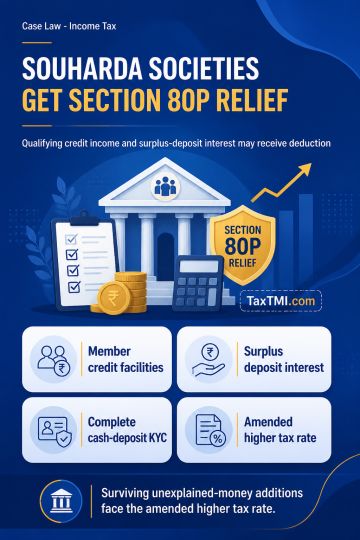
Section 80P deduction covers Souharda credit societies, including qualifying surplus-deposit interest, subject to member KYC verification for cash dep...
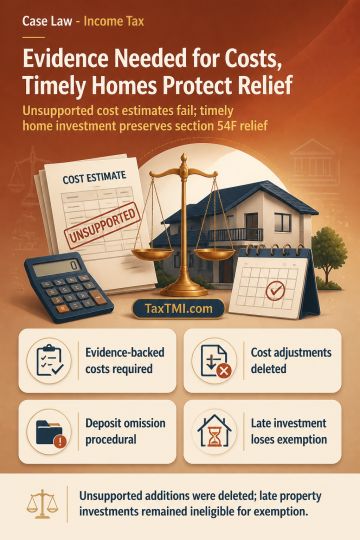
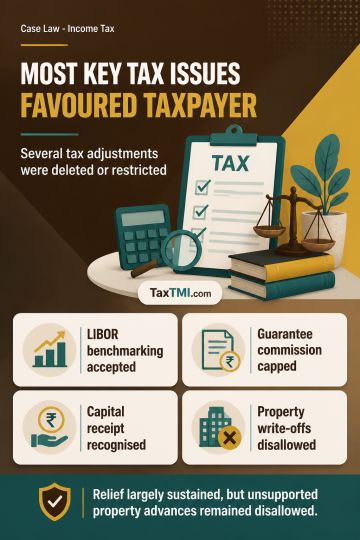
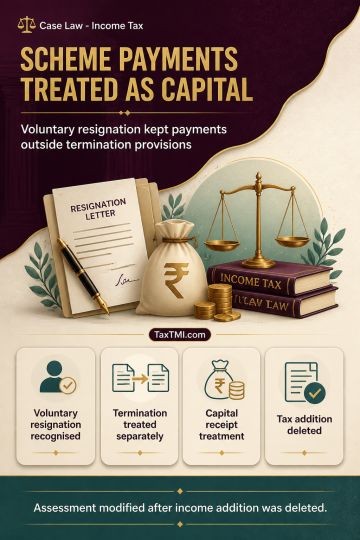
Transfer-pricing benchmarking and capital-receipt principles sustained taxpayer relief, while unsupported property-advance write-offs remained disallo...
AAR ruled that potable drinking water supplied through tanker lorries to government institutions and private customers qualifies for GST exemption under Serial No. 99 of Notification 02/2017-Central Tax (Rate). The applicant collected water from wells, conducted purification through filtration and chlorination to meet drinking water standards, and supplied in bulk quantities via tankers with 2,000-30,000 kiloliter capacity. The Authority determined that basic purification methods like chlorination and filtration used by public utilities do not disqualify the water from exemption, and since water was not supplied in sealed containers but transported in bulk through tankers, it falls within the exempted category under the GST framework.
AAR ruled that potable drinking water supplied through tanker lorries to government institutions and private customers qualifies for GST exemption under Serial No. 99 of Notification 02/2017-Central Tax (Rate). The applicant collected water from wells, conducted purification through filtration and chlorination to meet drinking water standards, and supplied in bulk quantities via tankers with 2,000-30,000 kiloliter capacity. The Authority determined that basic purification methods like chlorination and filtration used by public utilities do not disqualify the water from exemption, and since water was not supplied in sealed containers but transported in bulk through tankers, it falls within the exempted category under the GST framework.
Note: It is a system-generated summary and is for quick reference only.
 TaxTMI
 of 4805






 Join Channel


 TaxTMI
