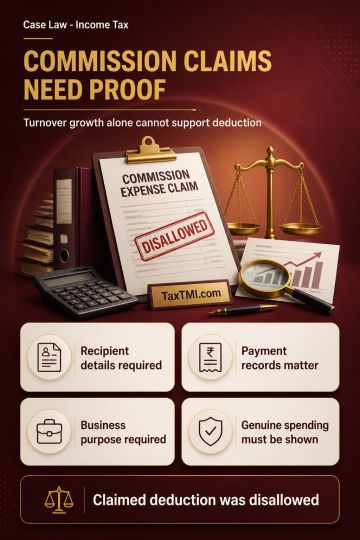
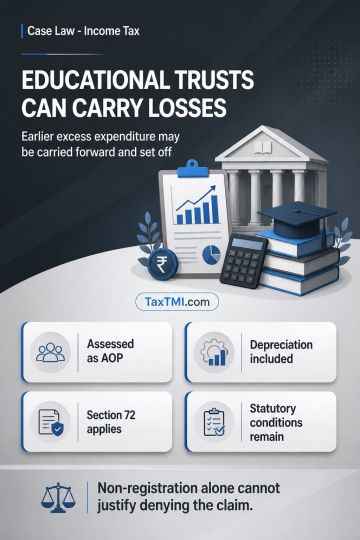
Business expenditure deduction requires proof of genuine commission payments and commercial allowability; turnover growth alone cannot validate the cl...
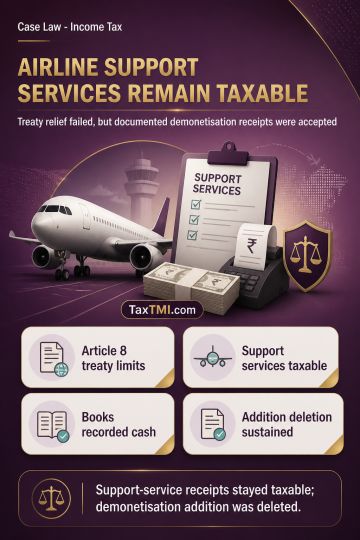
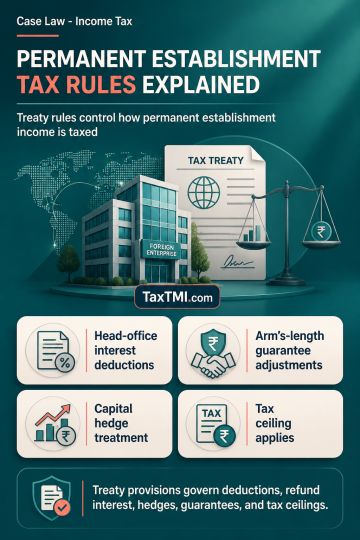
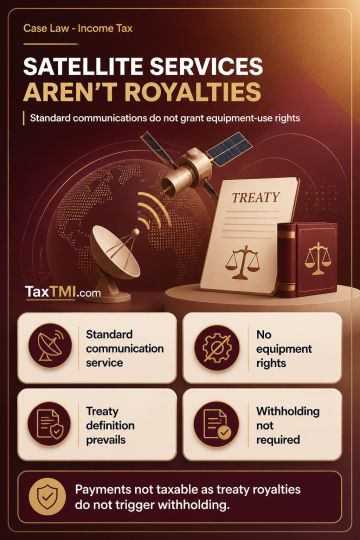
Article 8 treaty coverage excluded third-party airline support services, while documented demonetisation cash receipts remained accepted business inco...
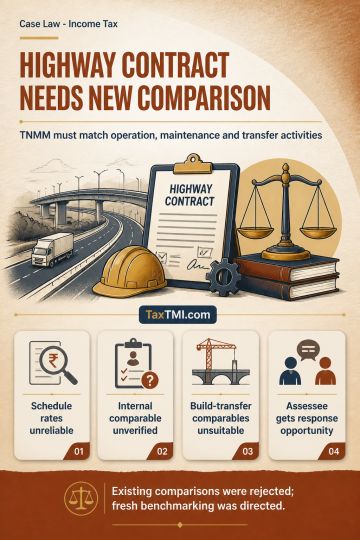
Functional comparability under TNMM requires highway contract benchmarks to reflect operation, maintenance and transfer activities, requiring fresh be...
AAR ruled that potable drinking water supplied through tanker lorries to government institutions and private customers qualifies for GST exemption under Serial No. 99 of Notification 02/2017-Central Tax (Rate). The applicant collected water from wells, conducted purification through filtration and chlorination to meet drinking water standards, and supplied in bulk quantities via tankers with 2,000-30,000 kiloliter capacity. The Authority determined that basic purification methods like chlorination and filtration used by public utilities do not disqualify the water from exemption, and since water was not supplied in sealed containers but transported in bulk through tankers, it falls within the exempted category under the GST framework.
AAR ruled that potable drinking water supplied through tanker lorries to government institutions and private customers qualifies for GST exemption under Serial No. 99 of Notification 02/2017-Central Tax (Rate). The applicant collected water from wells, conducted purification through filtration and chlorination to meet drinking water standards, and supplied in bulk quantities via tankers with 2,000-30,000 kiloliter capacity. The Authority determined that basic purification methods like chlorination and filtration used by public utilities do not disqualify the water from exemption, and since water was not supplied in sealed containers but transported in bulk through tankers, it falls within the exempted category under the GST framework.
Note: It is a system-generated summary and is for quick reference only.
 TaxTMI
 of 4803



 Join Channel


 TaxTMI