Fraudulent import documents suspend limitation protection, while redemption of confiscated goods requires duty and interest despite bona fide purchase...
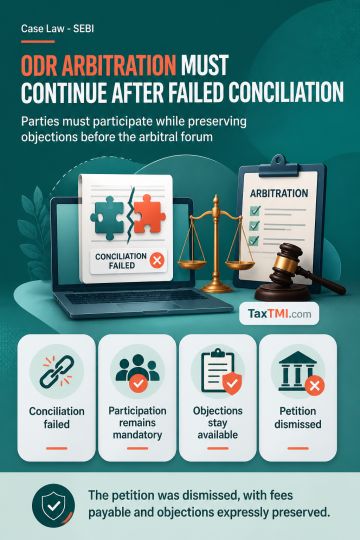
ODR arbitration participation remains mandatory after failed conciliation, while jurisdictional and maintainability objections stay available before t...
Transparency in technical bid evaluation requires disclosed standards and recorded reasons; opaque scoring invalidated tender awards and required fres...
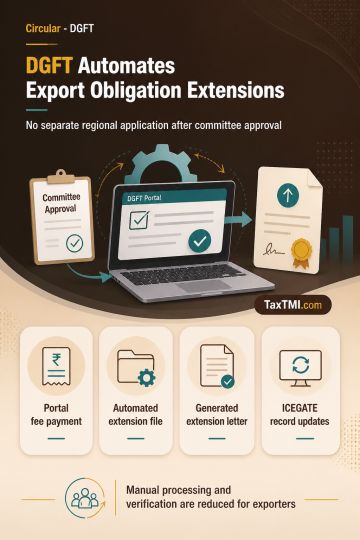
Automated export obligation extensions remove separate regional applications after committee approval for Advance Authorisation and EPCG authorisation...
International cargo transhipment through Indian ports continues with Customs-controlled storage, re-export safeguards, and coordinated multi-station m...
ITAT quashed assessment orders under Section 153C for Assessment Years 2008-09 to 2012-13, ruling the Assessing Officer lacked jurisdiction to initiate proceedings. For AY 2008-09, the satisfaction note was recorded on 23.09.2014, falling outside the statutorily permissible six-year limitation period under the second proviso to Section 153A(1). For AYs 2009-10 to 2012-13, the tribunal found fundamental jurisdictional defects: absence of proper satisfaction recording linking seized material to the assessee, no contemporaneous satisfaction by the searched person's AO, mechanical use of templated satisfaction notes across multiple years, and complete absence of incriminating material analysis. The satisfaction note failed to establish any nexus between seized diary entries and undisclosed income. Following Supreme Court precedents in Calcutta Knitwears and Jasjit Singh, the tribunal held that lacking valid jurisdictional foundation renders assessments void ab initio. Appeal allowed.
ITAT quashed assessment orders under Section 153C for Assessment Years 2008-09 to 2012-13, ruling the Assessing Officer lacked jurisdiction to initiate proceedings. For AY 2008-09, the satisfaction note was recorded on 23.09.2014, falling outside the statutorily permissible six-year limitation period under the second proviso to Section 153A(1). For AYs 2009-10 to 2012-13, the tribunal found fundamental jurisdictional defects: absence of proper satisfaction recording linking seized material to the assessee, no contemporaneous satisfaction by the searched person's AO, mechanical use of templated satisfaction notes across multiple years, and complete absence of incriminating material analysis. The satisfaction note failed to establish any nexus between seized diary entries and undisclosed income. Following Supreme Court precedents in Calcutta Knitwears and Jasjit Singh, the tribunal held that lacking valid jurisdictional foundation renders assessments void ab initio. Appeal allowed.
Note: It is a system-generated summary and is for quick reference only.
 TaxTMI
  TaxTMI
 of 4830
















 Join Channel