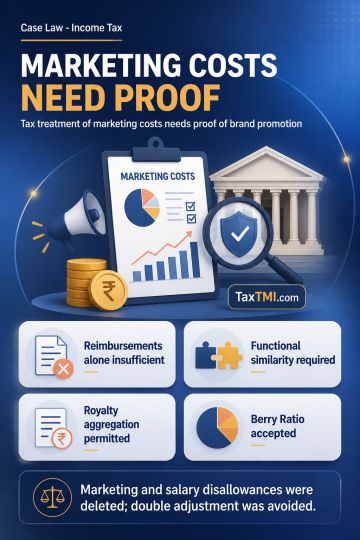
Transfer pricing requires evidence for AMP transactions, functionally reliable comparables, and appropriate aggregation or Berry Ratio benchmarking me...
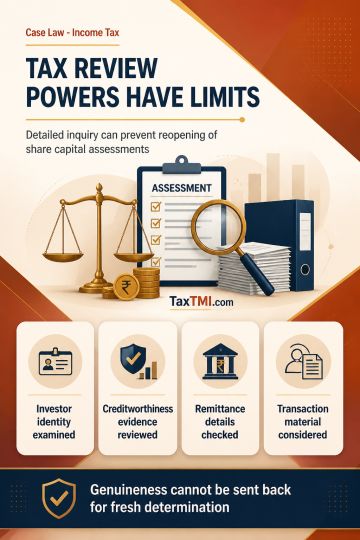
Revisionary jurisdiction cannot reopen share capital assessments where adequate inquiry supports a permissible view and no independent error is establ...
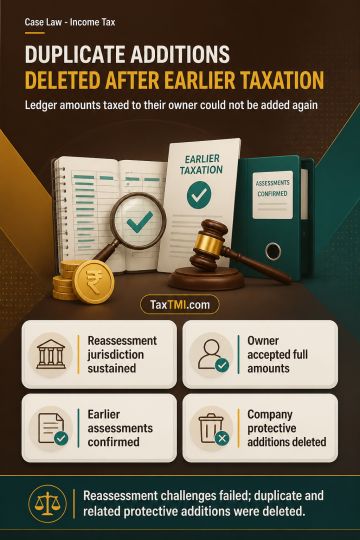
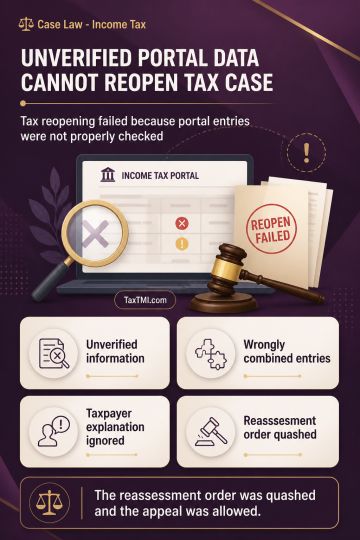
Reassessment jurisdiction fails where unverified portal information is aggregated without examining the taxpayer's explanation or relevance of entries...
Statutory sanction for delayed reassessment requires approval from the prescribed authority; approval by an inferior authority invalidates jurisdictio...
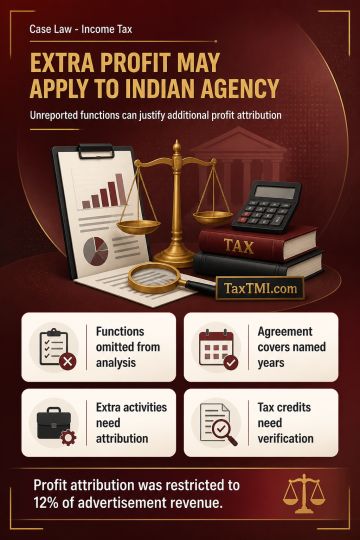
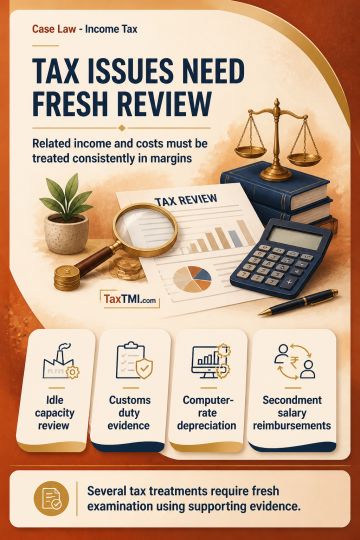
Transfer pricing margin adjustments require matching treatment of non-operating income and related costs, with comparability issues reconsidered on ev...
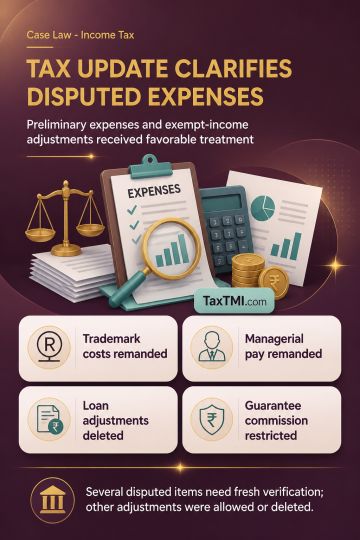
Preliminary-expense amortisation and MAT exempt-income adjustments prevailed, while trademark costs and managerial remuneration require fresh verifica...
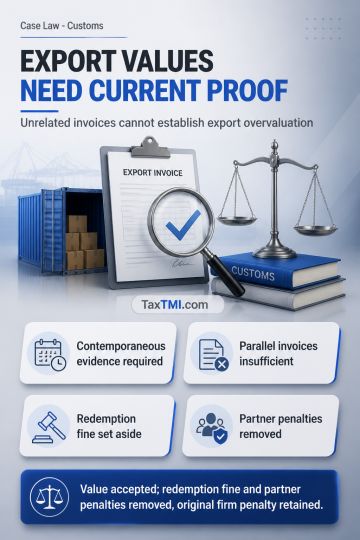
Export valuation requires contemporaneous evidence; unrelated invoices cannot prove overvaluation, and dual penalties on firm and partner are impermis...
The HC dismissed petitioners' challenge to investigation proceedings concerning large-scale tax evasion through fraudulent input tax credit under HPGST/CGST Act. The court held that Cr.P.C provisions apply to GST Act proceedings absent contrary provisions, citing Radhika Agarwal v. Union of India. Petitioners' contention that investigation was improper because officials failed to contact Delhi GST authorities was rejected. The court found that discovering non-existent entities at invoice addresses sufficiently established prima facie case of fake invoices. Following Mukesh Singh precedent, the court ruled investigation validity is not vitiated merely because departmental officials conducted it. The HC emphasized that while exercising inherent power, courts examine prima facie cases without evaluating evidence creditworthiness, which remains trial court's domain. Consequently, the complaint could not be quashed based on alleged investigative deficiencies.
The HC dismissed petitioners' challenge to investigation proceedings concerning large-scale tax evasion through fraudulent input tax credit under HPGST/CGST Act. The court held that Cr.P.C provisions apply to GST Act proceedings absent contrary provisions, citing Radhika Agarwal v. Union of India. Petitioners' contention that investigation was improper because officials failed to contact Delhi GST authorities was rejected. The court found that discovering non-existent entities at invoice addresses sufficiently established prima facie case of fake invoices. Following Mukesh Singh precedent, the court ruled investigation validity is not vitiated merely because departmental officials conducted it. The HC emphasized that while exercising inherent power, courts examine prima facie cases without evaluating evidence creditworthiness, which remains trial court's domain. Consequently, the complaint could not be quashed based on alleged investigative deficiencies.
Note: It is a system-generated summary and is for quick reference only.
 TaxTMI
 of 4798








 Join Channel


 TaxTMI
