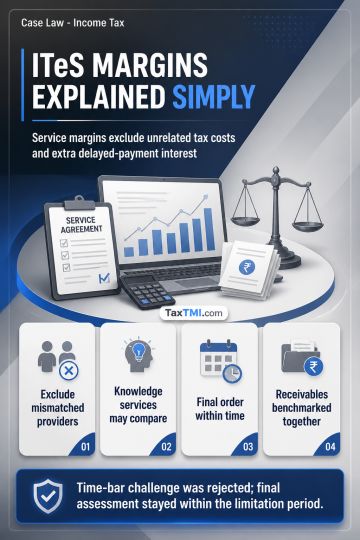
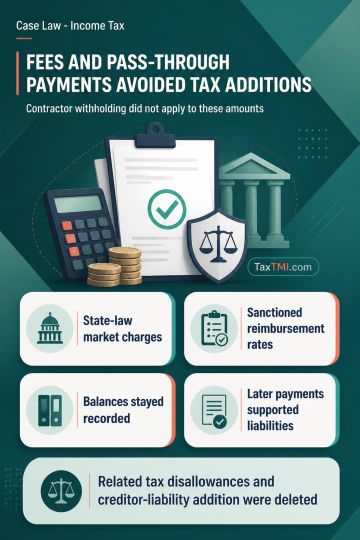
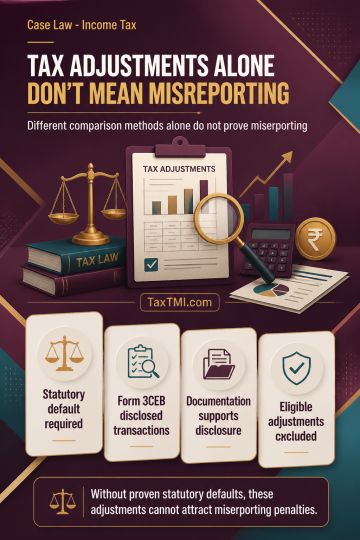
Transfer-pricing treatment of ITeS margins excludes pass-through tax recoveries and separate delayed-receivables interest after working-capital adjust...
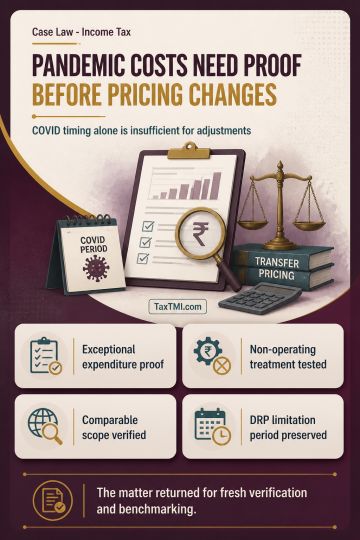
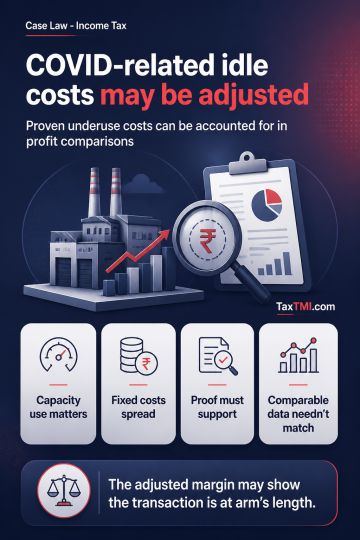
Capacity-utilisation adjustments under TNMM can neutralise substantiated COVID-related idle costs where underutilisation materially affects profitabil...
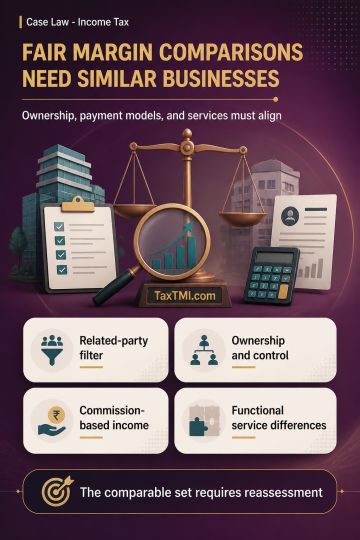
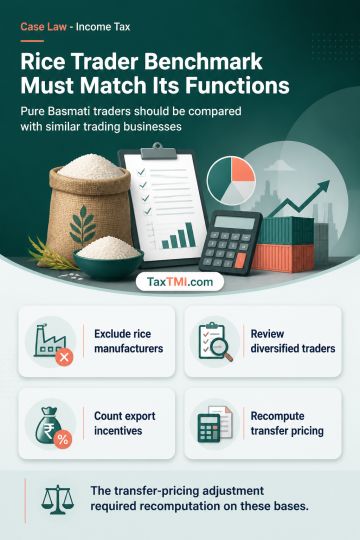
TNMM functional comparability requires excluding rice manufacturers from a pure Basmati rice trader's benchmark and recognising operating export recei...
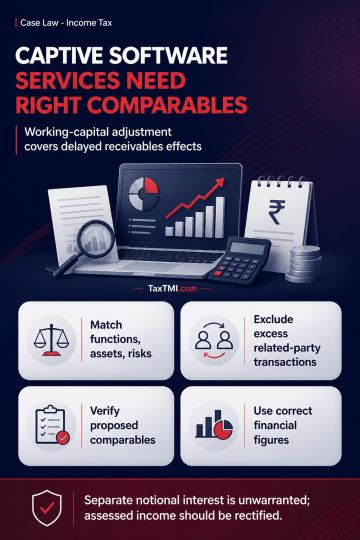
Working-capital adjustment subsumes delayed-receivable effects in TNMM benchmarking of captive software-development services, avoiding separate notion...
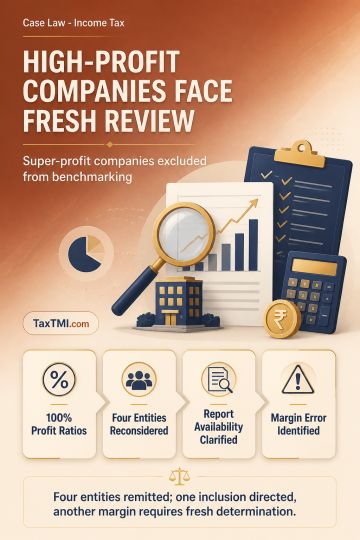
Transfer-pricing comparability requires exclusion of financially illogical super-profit comparables and correction of unsupported annual-report and ma...
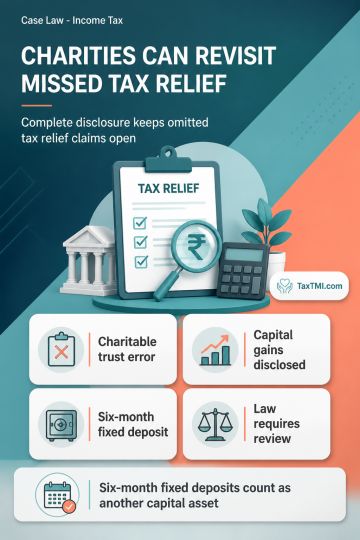
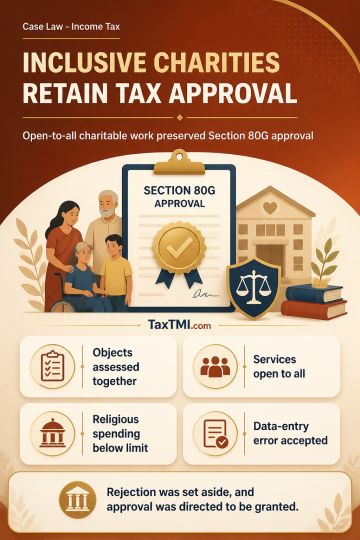
Charitable character assessment preserves Section 80G approval despite inclusive spiritual teachings and incidental religious expenditure within the s...
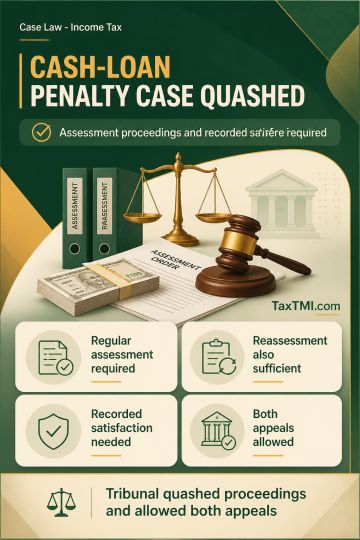
Penalty proceedings for cash-loan acceptance require assessment proceedings and recorded Assessing Officer satisfaction; absent these, the proceedings...
Page of 4828
Press 'Enter' after typing page number.
161 to 180 of 96556 Results
❮
❯
❯❯
0 / 200
Expand Note
Add to Folder
No Folders have been created
+
Are you sure you want to delete "My most important" ?
The SC restrained investigating agencies from summoning defense counsel who represented an accused party, holding that such summons undermine legal profession autonomy and threaten judicial independence. The petitioner-advocate contended he was neither accused nor witness but merely discharged professional duties under Article 19(1)(g) constitutional rights and Section 132 BSA protections. The Court emphasized that permitting direct summons of defense counsel by investigating agencies would seriously compromise administration of justice. Notice was issued to Attorney General, Solicitor General, Bar Council of India, and Supreme Court bar associations for assistance. The respondent-State was restrained from summoning petitioner, with stay granted on the impugned notice dated 24.03.2025 and subsequent notices pending further orders from Chief Justice.
The SC restrained investigating agencies from summoning defense counsel who represented an accused party, holding that such summons undermine legal profession autonomy and threaten judicial independence. The petitioner-advocate contended he was neither accused nor witness but merely discharged professional duties under Article 19(1)(g) constitutional rights and Section 132 BSA protections. The Court emphasized that permitting direct summons of defense counsel by investigating agencies would seriously compromise administration of justice. Notice was issued to Attorney General, Solicitor General, Bar Council of India, and Supreme Court bar associations for assistance. The respondent-State was restrained from summoning petitioner, with stay granted on the impugned notice dated 24.03.2025 and subsequent notices pending further orders from Chief Justice.
Note: It is a system-generated summary and is for quick reference only.
 TaxTMI
  TaxTMI
 of 4828



 Join Channel