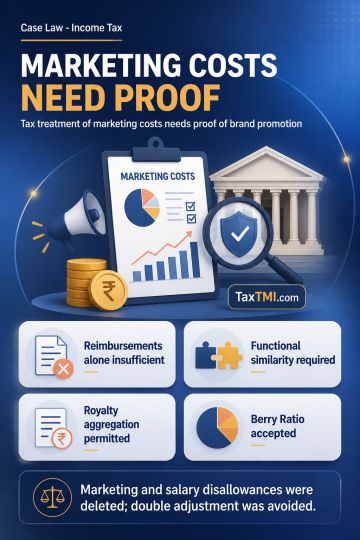
Transfer pricing requires evidence for AMP transactions, functionally reliable comparables, and appropriate aggregation or Berry Ratio benchmarking me...
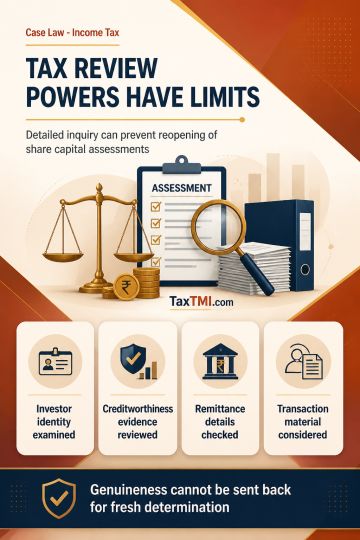
Revisionary jurisdiction cannot reopen share capital assessments where adequate inquiry supports a permissible view and no independent error is establ...
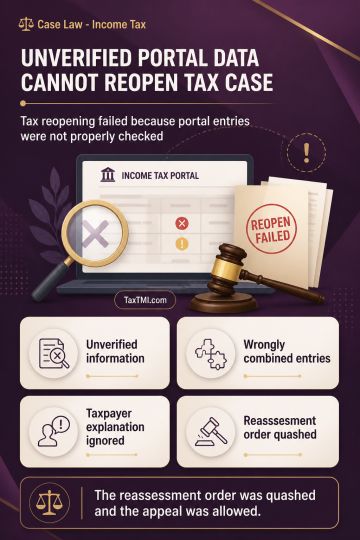
Reassessment jurisdiction fails where unverified portal information is aggregated without examining the taxpayer's explanation or relevance of entries...
Statutory sanction for delayed reassessment requires approval from the prescribed authority; approval by an inferior authority invalidates jurisdictio...
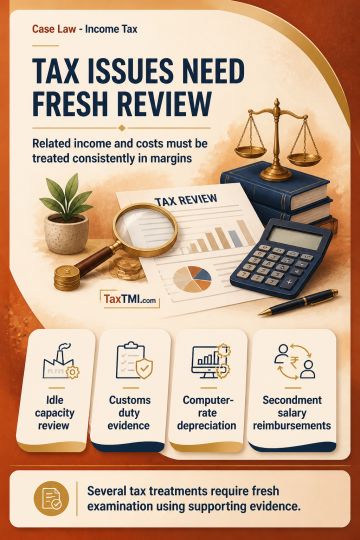
Transfer pricing margin adjustments require matching treatment of non-operating income and related costs, with comparability issues reconsidered on ev...
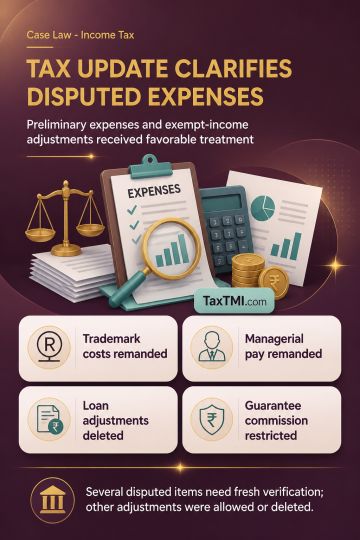
Preliminary-expense amortisation and MAT exempt-income adjustments prevailed, while trademark costs and managerial remuneration require fresh verifica...
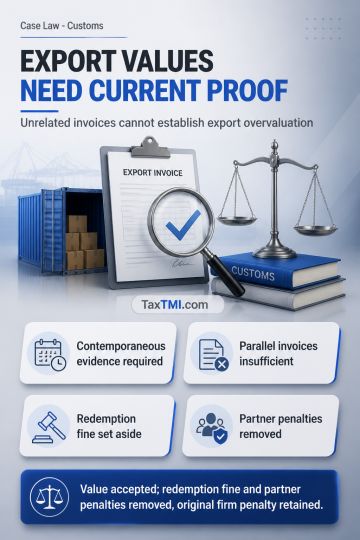
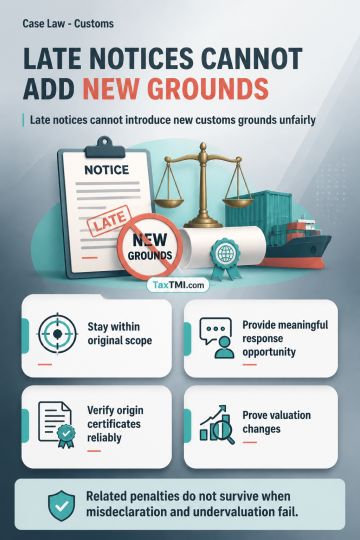
Export valuation requires contemporaneous evidence; unrelated invoices cannot prove overvaluation, and dual penalties on firm and partner are impermis...
The HC dismissed the petitioner's criminal petition seeking to quash proceedings under Section 132(6) of the CGST Act, 2017 for fraudulent ITC availment. The court found that statements on record revealed the petitioner actively managed GST filings and invoice generation for multiple entities, including bogus invoices without actual goods movement, establishing prima facie involvement in the fraudulent scheme. The challenge to summons validity failed as the cited instruction was issued after the summons in question, precluding retrospective application. The court held that adjudication based solely on investigating officer statements and existing departmental penalty were matters for trial determination. Applying Section 482 Cr.P.C. principles, the HC declined premature interference given incomplete contested facts requiring full examination before the trial court.
The HC dismissed the petitioner's criminal petition seeking to quash proceedings under Section 132(6) of the CGST Act, 2017 for fraudulent ITC availment. The court found that statements on record revealed the petitioner actively managed GST filings and invoice generation for multiple entities, including bogus invoices without actual goods movement, establishing prima facie involvement in the fraudulent scheme. The challenge to summons validity failed as the cited instruction was issued after the summons in question, precluding retrospective application. The court held that adjudication based solely on investigating officer statements and existing departmental penalty were matters for trial determination. Applying Section 482 Cr.P.C. principles, the HC declined premature interference given incomplete contested facts requiring full examination before the trial court.
Note: It is a system-generated summary and is for quick reference only.
 TaxTMI
 of 4800









 Join Channel


 TaxTMI
