Specified regulatory authority income receives conditional tax exemption, subject to non-commercial activity, unchanged income character, and return f...
Tax exemption for regulatory authority income applies retrospectively, subject to non-commercial activity, unchanged income sources, and return-filing...
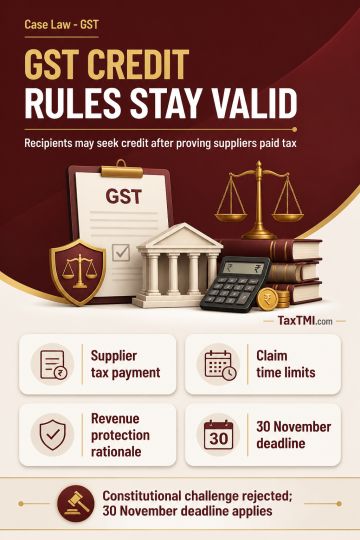
Input tax credit conditions remain constitutionally valid, with eligible recipient claims considered under GST circulars and retrospective filing dead...
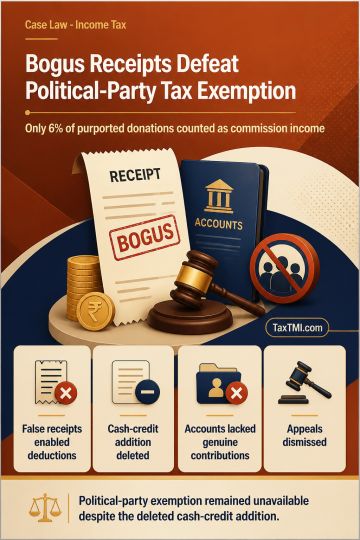
Bogus donation receipts justified commission income assessment and defeated political-party tax exemption for inaccurate accounts and reporting failur...
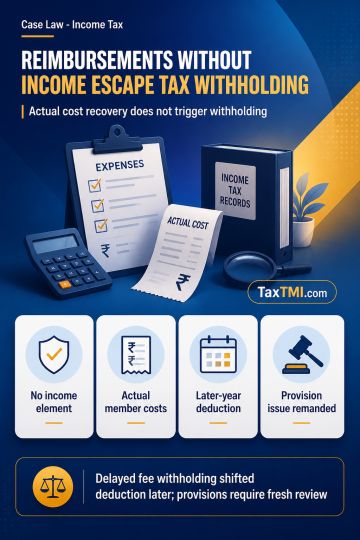
Pure reimbursement without income element escapes tax withholding, while delayed withholding and unsupported provisions face deferred or renewed scrut...
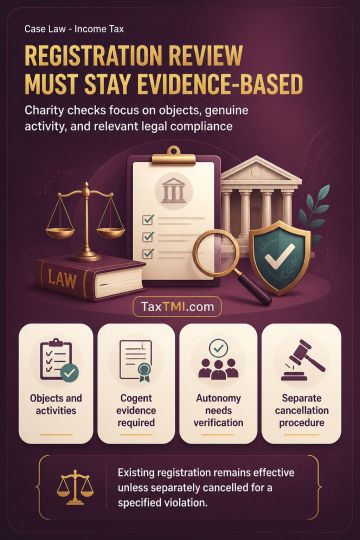
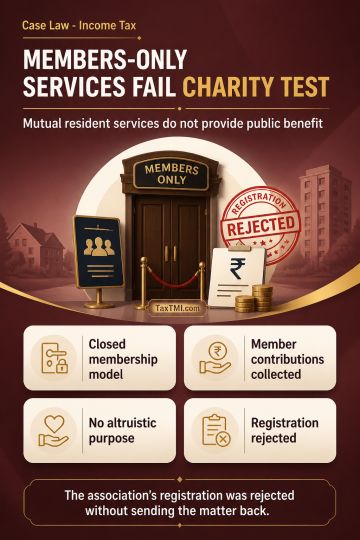
Public benefit requirement defeats charitable registration where residents' association services are reciprocal, member-only facilities governed by mu...
The HC dismissed the petitioner's criminal petition seeking to quash proceedings under Section 132(6) of the CGST Act, 2017 for fraudulent ITC availment. The court found that statements on record revealed the petitioner actively managed GST filings and invoice generation for multiple entities, including bogus invoices without actual goods movement, establishing prima facie involvement in the fraudulent scheme. The challenge to summons validity failed as the cited instruction was issued after the summons in question, precluding retrospective application. The court held that adjudication based solely on investigating officer statements and existing departmental penalty were matters for trial determination. Applying Section 482 Cr.P.C. principles, the HC declined premature interference given incomplete contested facts requiring full examination before the trial court.
The HC dismissed the petitioner's criminal petition seeking to quash proceedings under Section 132(6) of the CGST Act, 2017 for fraudulent ITC availment. The court found that statements on record revealed the petitioner actively managed GST filings and invoice generation for multiple entities, including bogus invoices without actual goods movement, establishing prima facie involvement in the fraudulent scheme. The challenge to summons validity failed as the cited instruction was issued after the summons in question, precluding retrospective application. The court held that adjudication based solely on investigating officer statements and existing departmental penalty were matters for trial determination. Applying Section 482 Cr.P.C. principles, the HC declined premature interference given incomplete contested facts requiring full examination before the trial court.
Note: It is a system-generated summary and is for quick reference only.
 TaxTMI
 of 4805





 Join Channel


 TaxTMI