Transaction value cannot be rejected solely on non-statutory valuation guidelines without corroborative evidence supporting reassessment of final cust...
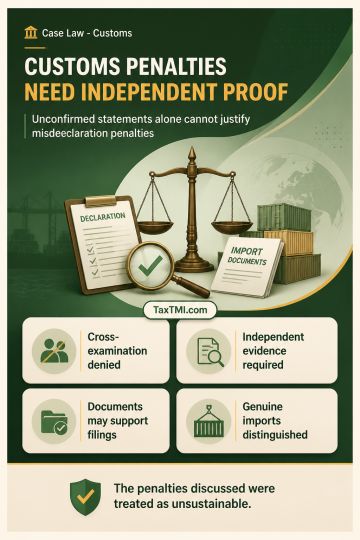
Cross-examination rights and corroborated evidence limit customs penalties for misdeclaration in genuine import transactions involving documented clea...
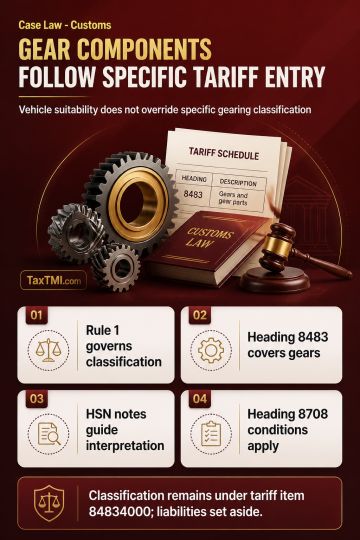
Tariff classification of vehicle gear components follows the specific gearing entry, displacing motor-vehicle parts classification and related liabili...
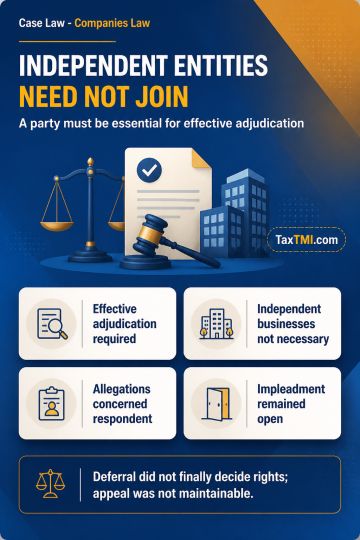
Necessary-party requirements limit impleadment of independent entities, while deferred consideration does not create an appealable adverse determinati...
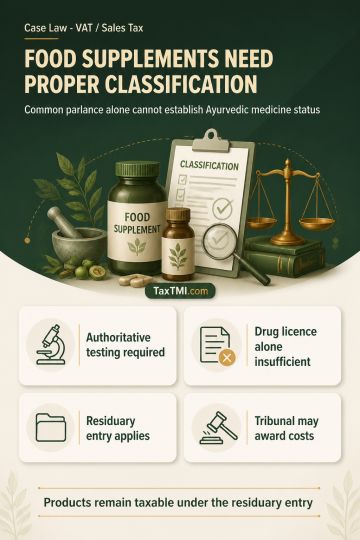
Food supplement classification requires common parlance and authoritative tests, preventing treatment as proprietary Ayurvedic medicines without suppo...
The HC dismissed the petitioner's criminal petition seeking to quash proceedings under Section 132(6) of the CGST Act, 2017 for fraudulent ITC availment. The court found that statements on record revealed the petitioner actively managed GST filings and invoice generation for multiple entities, including bogus invoices without actual goods movement, establishing prima facie involvement in the fraudulent scheme. The challenge to summons validity failed as the cited instruction was issued after the summons in question, precluding retrospective application. The court held that adjudication based solely on investigating officer statements and existing departmental penalty were matters for trial determination. Applying Section 482 Cr.P.C. principles, the HC declined premature interference given incomplete contested facts requiring full examination before the trial court.
The HC dismissed the petitioner's criminal petition seeking to quash proceedings under Section 132(6) of the CGST Act, 2017 for fraudulent ITC availment. The court found that statements on record revealed the petitioner actively managed GST filings and invoice generation for multiple entities, including bogus invoices without actual goods movement, establishing prima facie involvement in the fraudulent scheme. The challenge to summons validity failed as the cited instruction was issued after the summons in question, precluding retrospective application. The court held that adjudication based solely on investigating officer statements and existing departmental penalty were matters for trial determination. Applying Section 482 Cr.P.C. principles, the HC declined premature interference given incomplete contested facts requiring full examination before the trial court.
Note: It is a system-generated summary and is for quick reference only.
 TaxTMI
 of 4805









 Join Channel


 TaxTMI
