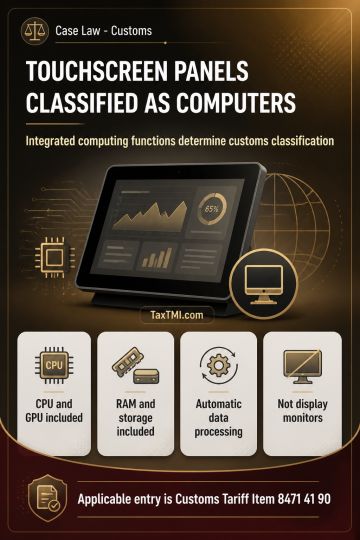
Interactive touchscreen panels with integrated computing functions fall under automatic data-processing machines rather than display monitors for cust...
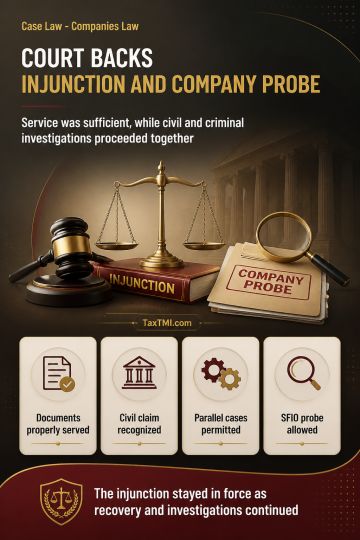
Ex parte injunction service requirements were substantially met, while civil recovery and SFIO investigation into provident fund defalcation continued...
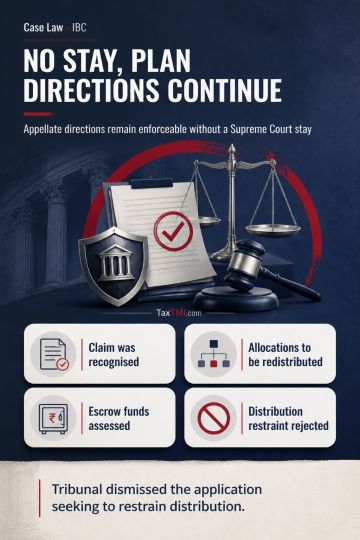
Enforcement of resolution-plan directions continues without a Supreme Court stay, preventing suspension of redistribution and escrowed-fund distributi...
Third-party ownership claims over attached property require Special Court adjudication where purchasers lack registered sale deeds and bona fides rema...
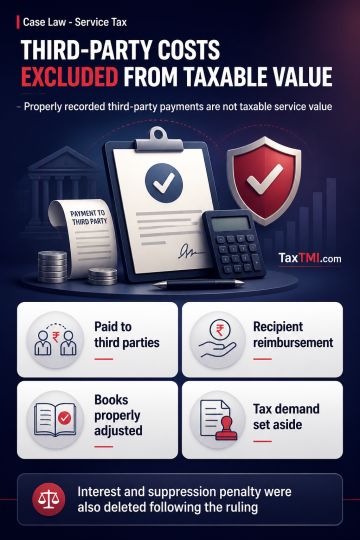
Pure-agent reimbursements in clearing and forwarding services are excluded from taxable value when qualifying third-party payments are properly record...
Customs relief for Strait of Hormuz maritime disruptions remains available, with existing conditions continuing unchanged through the extended validit...
The HC dismissed the petitioner's criminal petition seeking to quash proceedings under Section 132(6) of the CGST Act, 2017 for fraudulent ITC availment. The court found that statements on record revealed the petitioner actively managed GST filings and invoice generation for multiple entities, including bogus invoices without actual goods movement, establishing prima facie involvement in the fraudulent scheme. The challenge to summons validity failed as the cited instruction was issued after the summons in question, precluding retrospective application. The court held that adjudication based solely on investigating officer statements and existing departmental penalty were matters for trial determination. Applying Section 482 Cr.P.C. principles, the HC declined premature interference given incomplete contested facts requiring full examination before the trial court.
The HC dismissed the petitioner's criminal petition seeking to quash proceedings under Section 132(6) of the CGST Act, 2017 for fraudulent ITC availment. The court found that statements on record revealed the petitioner actively managed GST filings and invoice generation for multiple entities, including bogus invoices without actual goods movement, establishing prima facie involvement in the fraudulent scheme. The challenge to summons validity failed as the cited instruction was issued after the summons in question, precluding retrospective application. The court held that adjudication based solely on investigating officer statements and existing departmental penalty were matters for trial determination. Applying Section 482 Cr.P.C. principles, the HC declined premature interference given incomplete contested facts requiring full examination before the trial court.
Note: It is a system-generated summary and is for quick reference only.
 TaxTMI
 of 4803










 Join Channel


 TaxTMI