TNMM functional comparability requires excluding rice manufacturers from a pure Basmati rice trader's benchmark and recognising operating export recei...
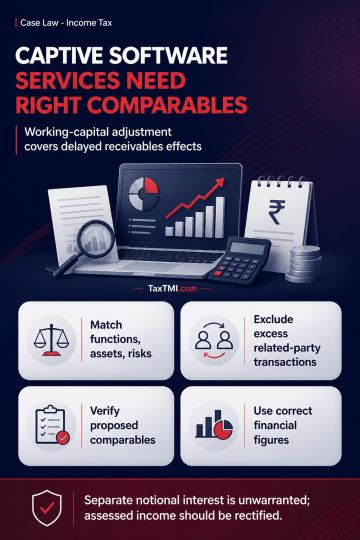
Working-capital adjustment subsumes delayed-receivable effects in TNMM benchmarking of captive software-development services, avoiding separate notion...
Transfer-pricing comparability requires exclusion of financially illogical super-profit comparables and correction of unsupported annual-report and ma...
Charitable character assessment preserves Section 80G approval despite inclusive spiritual teachings and incidental religious expenditure within the s...
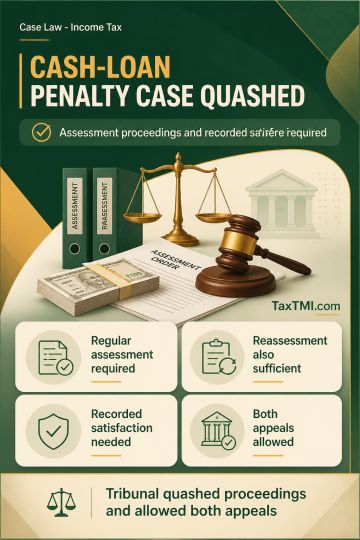
Penalty proceedings for cash-loan acceptance require assessment proceedings and recorded Assessing Officer satisfaction; absent these, the proceedings...
Functional comparability governs software-service benchmarking: dissimilar companies are excluded, while related-party filters, margins and working-ca...
CESTAT allowed the appeal challenging anti-dumping duty demand and penalties imposed on the appellant and its director. The tribunal held that extended limitation period under section 28(4) of the Customs Act was incorrectly invoked, as mere incorrect valuation without evidence of deliberate suppression does not constitute suppression of material facts. The appellant had made bonafide declarations in Bills of Entry, which were examined and cleared by customs officers. Relying on Supreme Court precedent in Commissioner vs. Reliance Industries Ltd., CESTAT ruled that bonafide belief in correct duty discharge, even if ultimately wrong, cannot be deemed malafide. Penalties under sections 112 and 114AA against the director were set aside as valuation was bonafide without bad motive. The impugned order was completely set aside.
CESTAT allowed the appeal challenging anti-dumping duty demand and penalties imposed on the appellant and its director. The tribunal held that extended limitation period under section 28(4) of the Customs Act was incorrectly invoked, as mere incorrect valuation without evidence of deliberate suppression does not constitute suppression of material facts. The appellant had made bonafide declarations in Bills of Entry, which were examined and cleared by customs officers. Relying on Supreme Court precedent in Commissioner vs. Reliance Industries Ltd., CESTAT ruled that bonafide belief in correct duty discharge, even if ultimately wrong, cannot be deemed malafide. Penalties under sections 112 and 114AA against the director were set aside as valuation was bonafide without bad motive. The impugned order was completely set aside.
Note: It is a system-generated summary and is for quick reference only.
 TaxTMI
  TaxTMI
 of 4830


















 Join Channel


