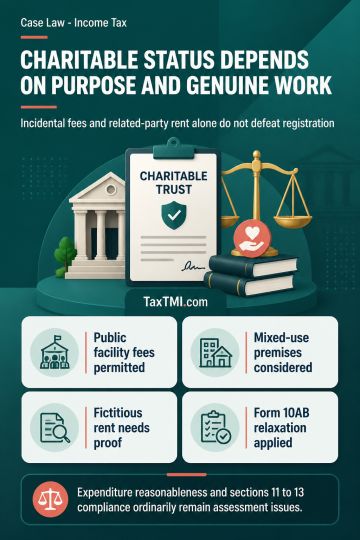
Charitable registration turns on predominant purpose and genuine activities, while incidental fees and related-party rent require supporting adverse m...
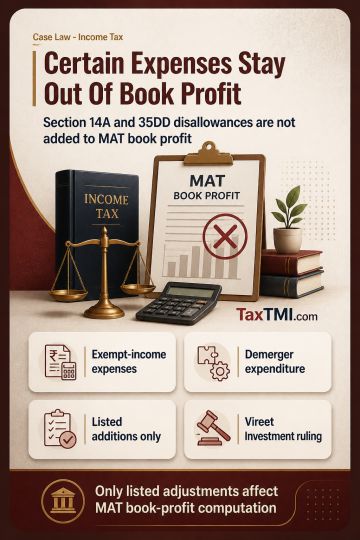
MAT book-profit adjustments exclude disallowances for exempt-income expenditure and demerger expenditure unless expressly listed under the statutory c...
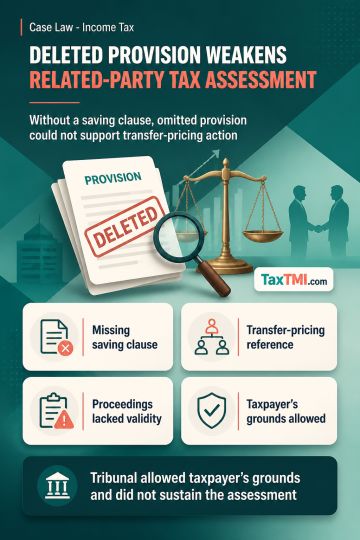
Omitted specified domestic transaction provision invalidates related-party expenditure transfer-pricing references and assessments based on consequent...
The Delhi State Tax Department adopted CBIC Circular No. 236/30/2024-GST clarifying the scope of "as is/as is, where is basis" regularization in GST matters. The circular, issued under Section 168 of CGST Act 2017 following GST Council's 54th meeting recommendation, addresses field formation doubts regarding tax regularization where competing rates existed. The clarification establishes that regularization applies when genuine interpretational doubts arose between different GST rates, allowing taxpayers who paid lower rates to treat such payments as full discharge of liability without additional payment obligations. However, those who paid higher rates receive no refunds, and regularization excludes cases where no tax was paid at all. The circular provides three illustrations demonstrating application scenarios involving rate differentials of 5%, 12%, and nil rates, emphasizing that regularization only validates actual payments made at declared rates in filed returns, not non-payment situations.
The Delhi State Tax Department adopted CBIC Circular No. 236/30/2024-GST clarifying the scope of "as is/as is, where is basis" regularization in GST matters. The circular, issued under Section 168 of CGST Act 2017 following GST Council's 54th meeting recommendation, addresses field formation doubts regarding tax regularization where competing rates existed. The clarification establishes that regularization applies when genuine interpretational doubts arose between different GST rates, allowing taxpayers who paid lower rates to treat such payments as full discharge of liability without additional payment obligations. However, those who paid higher rates receive no refunds, and regularization excludes cases where no tax was paid at all. The circular provides three illustrations demonstrating application scenarios involving rate differentials of 5%, 12%, and nil rates, emphasizing that regularization only validates actual payments made at declared rates in filed returns, not non-payment situations.
Note: It is a system-generated summary and is for quick reference only.
 TaxTMI
 of 4801






 Join Channel


 TaxTMI