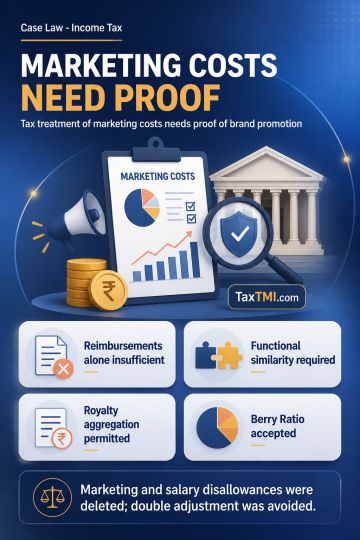
Transfer pricing requires evidence for AMP transactions, functionally reliable comparables, and appropriate aggregation or Berry Ratio benchmarking me...
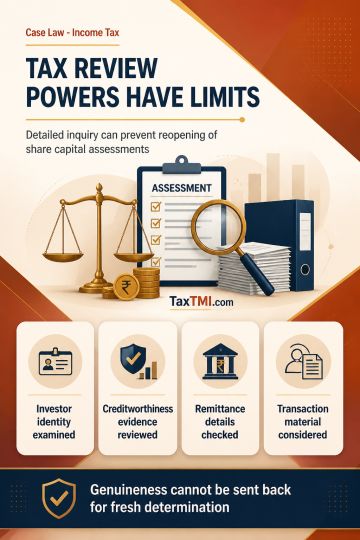
Revisionary jurisdiction cannot reopen share capital assessments where adequate inquiry supports a permissible view and no independent error is establ...
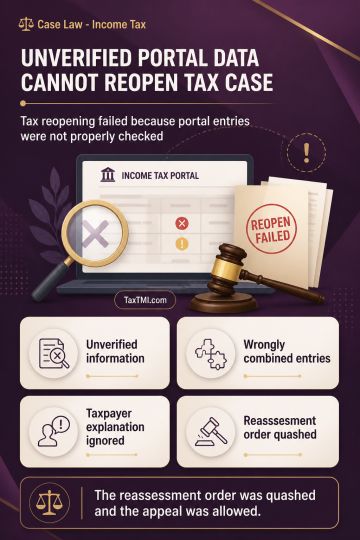
Reassessment jurisdiction fails where unverified portal information is aggregated without examining the taxpayer's explanation or relevance of entries...
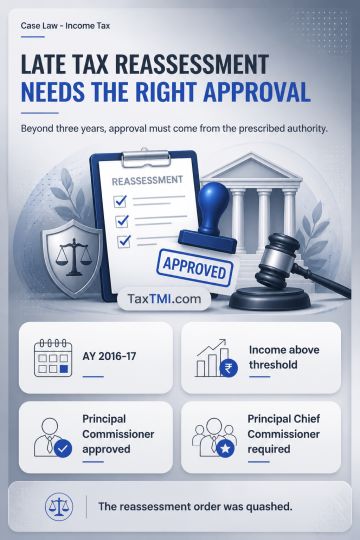
Statutory sanction for delayed reassessment requires approval from the prescribed authority; approval by an inferior authority invalidates jurisdictio...
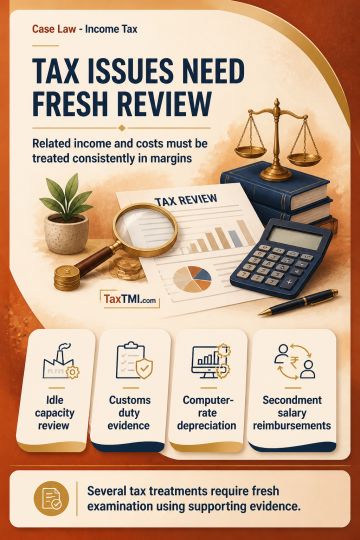
Transfer pricing margin adjustments require matching treatment of non-operating income and related costs, with comparability issues reconsidered on ev...
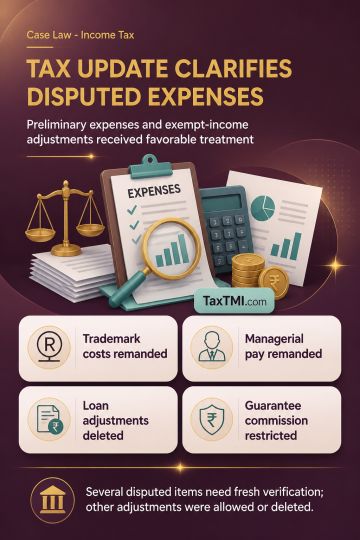
Preliminary-expense amortisation and MAT exempt-income adjustments prevailed, while trademark costs and managerial remuneration require fresh verifica...
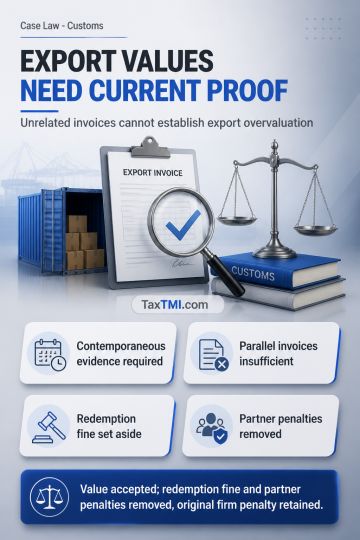
Export valuation requires contemporaneous evidence; unrelated invoices cannot prove overvaluation, and dual penalties on firm and partner are impermis...
The Delhi Department of Trade & Taxes adopted CBIC Circular No. 243/37/2024-GST clarifying GST treatment of vouchers under DGST Act, 2017. The CBIC determined that voucher transactions constitute neither supply of goods nor services, as vouchers qualify as either "money" under RBI-recognized pre-paid instruments or "actionable claims" under Schedule III exclusions. Principal-to-principal voucher trading by distributors remains non-taxable, while commission-based distribution services attract GST on fees received. Additional services like marketing and technology support provided to voucher issuers are taxable at applicable rates. Unredeemed vouchers (breakage) are not subject to GST as no underlying supply occurs and no consideration exists without express agreement for non-redemption charges.
The Delhi Department of Trade & Taxes adopted CBIC Circular No. 243/37/2024-GST clarifying GST treatment of vouchers under DGST Act, 2017. The CBIC determined that voucher transactions constitute neither supply of goods nor services, as vouchers qualify as either "money" under RBI-recognized pre-paid instruments or "actionable claims" under Schedule III exclusions. Principal-to-principal voucher trading by distributors remains non-taxable, while commission-based distribution services attract GST on fees received. Additional services like marketing and technology support provided to voucher issuers are taxable at applicable rates. Unredeemed vouchers (breakage) are not subject to GST as no underlying supply occurs and no consideration exists without express agreement for non-redemption charges.
Note: It is a system-generated summary and is for quick reference only.
 TaxTMI
 of 4801



 Join Channel


 TaxTMI
