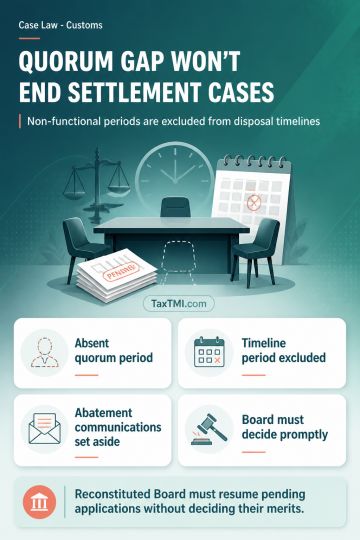
Institutional incapacity in customs settlement proceedings excludes non-functional quorum periods from statutory disposal timelines, preventing automa...
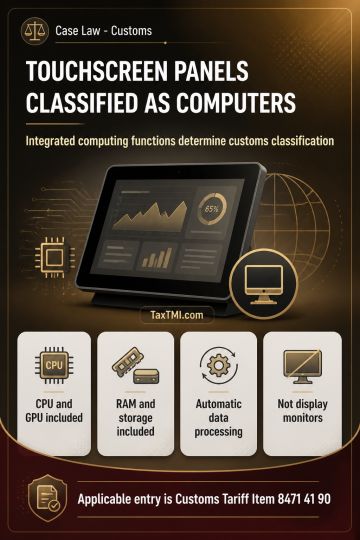
Interactive touchscreen panels with integrated computing functions fall under automatic data-processing machines rather than display monitors for cust...
Ex parte injunction service requirements were substantially met, while civil recovery and SFIO investigation into provident fund defalcation continued...
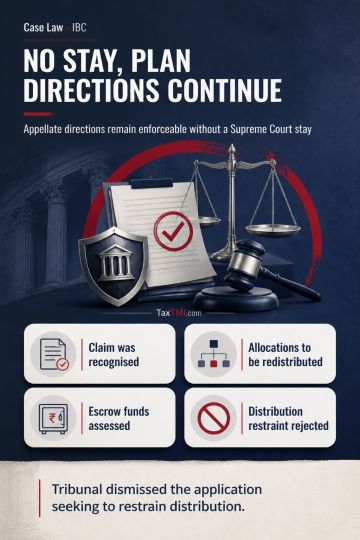
Enforcement of resolution-plan directions continues without a Supreme Court stay, preventing suspension of redistribution and escrowed-fund distributi...
Third-party ownership claims over attached property require Special Court adjudication where purchasers lack registered sale deeds and bona fides rema...
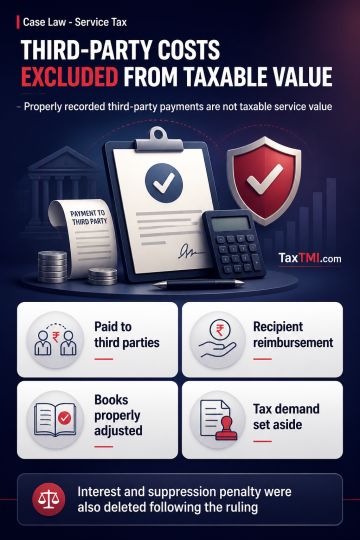
Pure-agent reimbursements in clearing and forwarding services are excluded from taxable value when qualifying third-party payments are properly record...
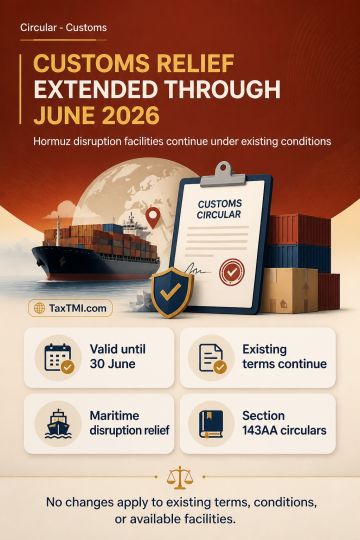
Customs relief for Strait of Hormuz maritime disruptions remains available, with existing conditions continuing unchanged through the extended validit...
The Delhi Trade & Taxes Department issued mandatory guidelines for conducting personal hearings through virtual mode under the Delhi GST Act, 2017. All proper officers and appellate authorities must conduct hearings via applications like WEBEX or Google Meet, with advance notice to taxpayers including virtual links. Taxpayers must submit authorization documents and photo identification prior to hearings. Virtual proceedings shall be recorded as "Record of Personal Hearing" and shared electronically with participants. Physical document submission remains permissible when required. Virtual hearings are deemed valid under CGST/DGST Acts and Information Technology Act, 2000. Exceptions to virtual mode require approval from zonal in-charge with recorded justification for rare circumstances preventing virtual participation.
The Delhi Trade & Taxes Department issued mandatory guidelines for conducting personal hearings through virtual mode under the Delhi GST Act, 2017. All proper officers and appellate authorities must conduct hearings via applications like WEBEX or Google Meet, with advance notice to taxpayers including virtual links. Taxpayers must submit authorization documents and photo identification prior to hearings. Virtual proceedings shall be recorded as "Record of Personal Hearing" and shared electronically with participants. Physical document submission remains permissible when required. Virtual hearings are deemed valid under CGST/DGST Acts and Information Technology Act, 2000. Exceptions to virtual mode require approval from zonal in-charge with recorded justification for rare circumstances preventing virtual participation.
Note: It is a system-generated summary and is for quick reference only.
 TaxTMI
 of 4803











 Join Channel


 TaxTMI