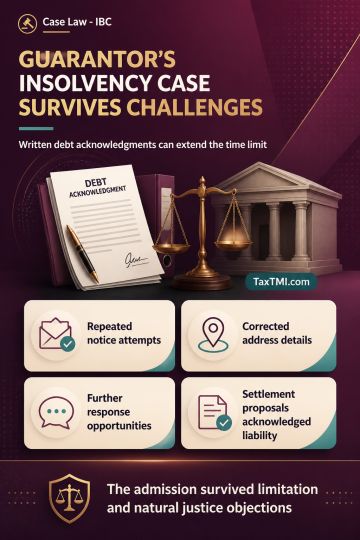
Service of notice and contractual debt acknowledgment preserved insolvency admission against a corporate guarantor despite limitation and natural just...
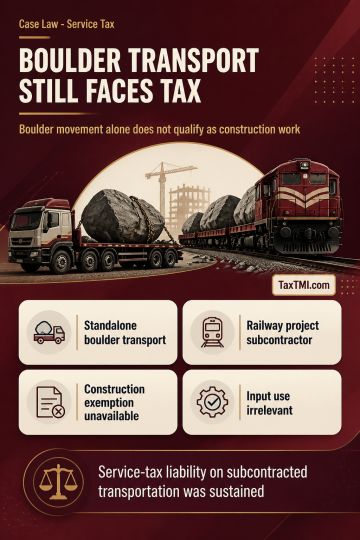
Original works exemption excludes standalone boulder transportation, leaving subcontracted railway-project transport services subject to service tax l...
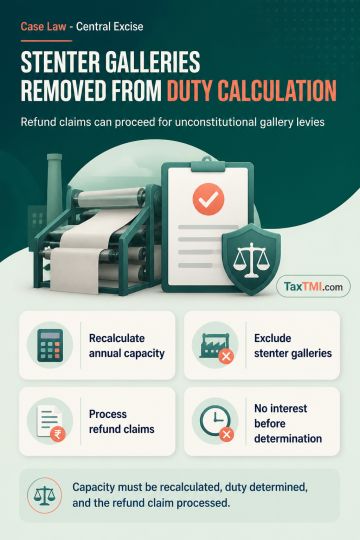
Annual production capacity determinations excluding stenter galleries support refunds for unconstitutional excise levies without an unjust-enrichment ...
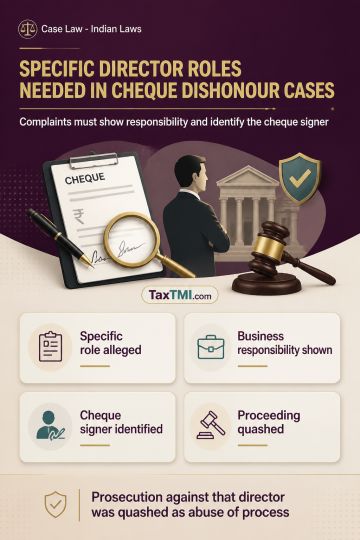
Vicarious liability for cheque dishonour requires specific allegations of responsibility and cheque signatory; generic director allegations cannot sus...
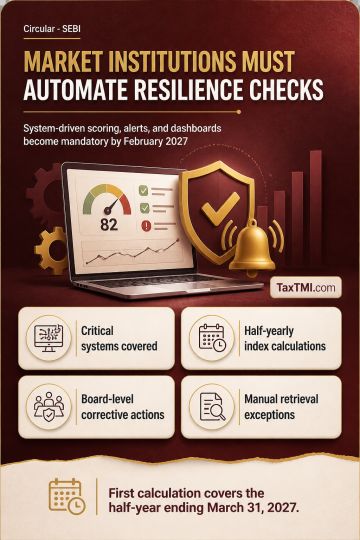
IT Resilience Index requires market infrastructure institutions to automate resilience scoring, early warnings, and continuous service-delivery monito...
ITAT allowed partial relief to the assessee regarding bad debt claims and disallowances. The tribunal permitted Rs. 1.95 crores of bad debt claims related to Pujan Impex and another Rs. 2 crores of business advances under section 37(1). The tribunal directed deletion of section 41(1) addition concerning Suzlon's liability cessation, finding no evidence of credit balance. Legal and professional expenses were directed to be allowed as a revenue-neutral exercise. TDS-related disallowance under section 40(a)(ia) was deleted consistent with Supreme Court precedent. The tribunal emphasized that outstanding liabilities cannot be automatically treated as ceased merely due to non-recovery for three years, requiring explicit proof of benefit or remission.
ITAT allowed partial relief to the assessee regarding bad debt claims and disallowances. The tribunal permitted Rs. 1.95 crores of bad debt claims related to Pujan Impex and another Rs. 2 crores of business advances under section 37(1). The tribunal directed deletion of section 41(1) addition concerning Suzlon's liability cessation, finding no evidence of credit balance. Legal and professional expenses were directed to be allowed as a revenue-neutral exercise. TDS-related disallowance under section 40(a)(ia) was deleted consistent with Supreme Court precedent. The tribunal emphasized that outstanding liabilities cannot be automatically treated as ceased merely due to non-recovery for three years, requiring explicit proof of benefit or remission.
Note: It is a system-generated summary and is for quick reference only.
 TaxTMI
  TaxTMI
 of 4828




 Join Channel