Opportunity to furnish unsecured-loan confirmations is required before reassessment initiation; proceedings require fresh consideration after taxpayer...
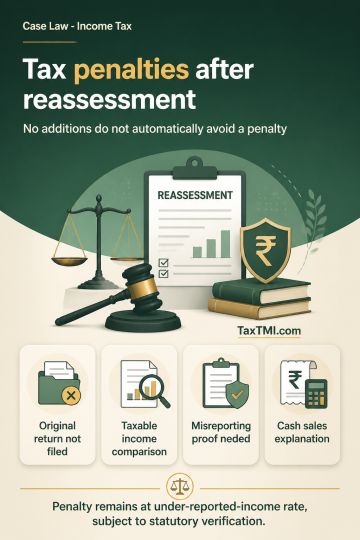
Under-reporting on a first reassessment return attracts penalty, while enhanced misreporting penalty requires proof of a statutory misreporting catego...
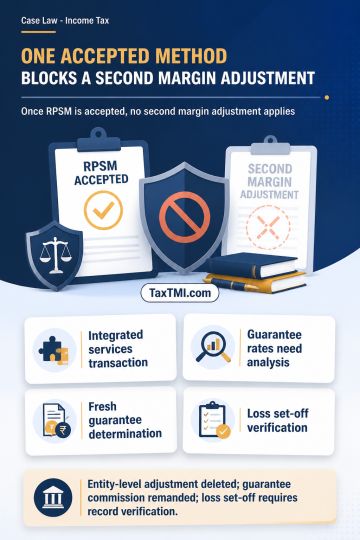
Form 26AS evidence requires successor-entity accounting verification after business transfer, while invoice-supported related-party advertising expend...
CESTAT order addressing classification of Rubber Process Oil (RPO) and customs duty implications. The Tribunal found the original order legally unsustainable due to lack of specific chemical test evidence and improper rejection of in-house test reports. The key determination hinged on aromatic constituent percentages for tariff classification. The impugned order invoking extended limitation period under Section 28(4) of Customs Act was set aside. The Tribunal partially allowed the appeal, directing re-examination of RPO classification based on aromatic content, with differential duty demands upheld where appellants previously accepted classification under CTI 2713 9000. The decision emphasizes procedural fairness and evidentiary requirements in customs classification disputes.
CESTAT order addressing classification of Rubber Process Oil (RPO) and customs duty implications. The Tribunal found the original order legally unsustainable due to lack of specific chemical test evidence and improper rejection of in-house test reports. The key determination hinged on aromatic constituent percentages for tariff classification. The impugned order invoking extended limitation period under Section 28(4) of Customs Act was set aside. The Tribunal partially allowed the appeal, directing re-examination of RPO classification based on aromatic content, with differential duty demands upheld where appellants previously accepted classification under CTI 2713 9000. The decision emphasizes procedural fairness and evidentiary requirements in customs classification disputes.
Note: It is a system-generated summary and is for quick reference only.
 TaxTMI
  TaxTMI
 of 4920