Service of notice and contractual debt acknowledgment preserved insolvency admission against a corporate guarantor despite limitation and natural just...
Original works exemption excludes standalone boulder transportation, leaving subcontracted railway-project transport services subject to service tax l...
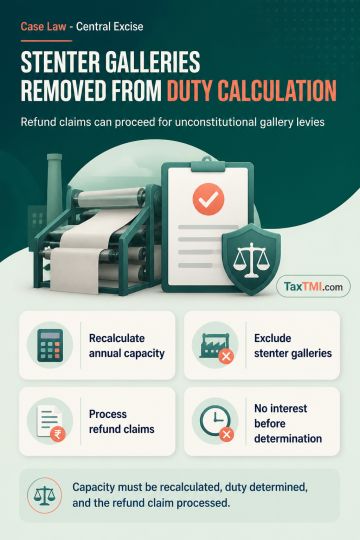
Annual production capacity determinations excluding stenter galleries support refunds for unconstitutional excise levies without an unjust-enrichment ...
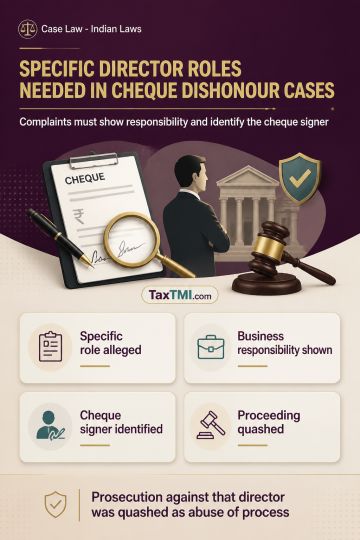
Vicarious liability for cheque dishonour requires specific allegations of responsibility and cheque signatory; generic director allegations cannot sus...
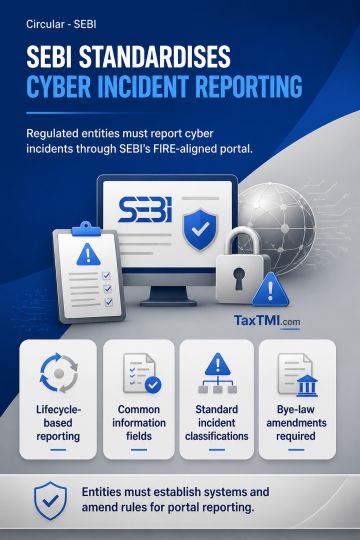
IT Resilience Index requires market infrastructure institutions to automate resilience scoring, early warnings, and continuous service-delivery monito...
ITAT condoned a 450-day delay in filing an appeal, prioritizing substantial justice over technical procedural constraints. The tribunal determined that the delay was not excessive, referencing precedent cases where much longer delays were excused. The decision emphasized that technical limitations should not prevent judicial review when a reasonable cause exists. The tribunal admitted the appeal for adjudication and granted the assessee an opportunity to represent their case before the Assessing Officer, while simultaneously imposing a cost of Rs. 5,000 as a penalty for procedural laxity. The ruling underscores the principle that justice should prevail over strict procedural adherence, particularly when no deliberate misconduct is evident.
ITAT condoned a 450-day delay in filing an appeal, prioritizing substantial justice over technical procedural constraints. The tribunal determined that the delay was not excessive, referencing precedent cases where much longer delays were excused. The decision emphasized that technical limitations should not prevent judicial review when a reasonable cause exists. The tribunal admitted the appeal for adjudication and granted the assessee an opportunity to represent their case before the Assessing Officer, while simultaneously imposing a cost of Rs. 5,000 as a penalty for procedural laxity. The ruling underscores the principle that justice should prevail over strict procedural adherence, particularly when no deliberate misconduct is evident.
Note: It is a system-generated summary and is for quick reference only.
 TaxTMI
  TaxTMI
 of 4828

















 Join Channel