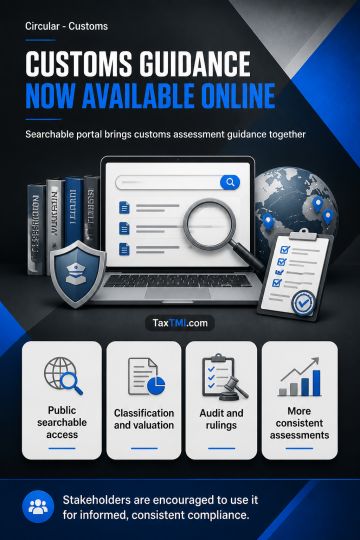
Customs Assessment Portal centralises classification and valuation guidance to support consistent, transparent and informed compliance across stakehol...
GST refunds for cancelled air tickets remain available when passenger reimbursements defeat unjust enrichment and credit-note adjustment is unavailabl...
ITAT held that the AO failed to properly examine the exemption claim under section 10(38) for long-term capital gains. The tribunal found no evidence of adequate investigation or verification in the assessment order. Referencing SC precedent in Paville Project Pvt. Ltd, the tribunal determined the assessment order was prejudicial to revenue interests. The PCIT's revision under section 263 was justified, as the AO did not conduct requisite inquiries regarding the genuineness of capital gains exemption. Consequently, the tribunal upheld the PCIT's order and dismissed the assessee's appeal, mandating a comprehensive reassessment of the capital gains claim.
ITAT held that the AO failed to properly examine the exemption claim under section 10(38) for long-term capital gains. The tribunal found no evidence of adequate investigation or verification in the assessment order. Referencing SC precedent in Paville Project Pvt. Ltd, the tribunal determined the assessment order was prejudicial to revenue interests. The PCIT's revision under section 263 was justified, as the AO did not conduct requisite inquiries regarding the genuineness of capital gains exemption. Consequently, the tribunal upheld the PCIT's order and dismissed the assessee's appeal, mandating a comprehensive reassessment of the capital gains claim.
Note: It is a system-generated summary and is for quick reference only.
 TaxTMI
  TaxTMI
 of 4915