Necessary-party requirements limit impleadment of independent entities, while deferred consideration does not create an appealable adverse determinati...
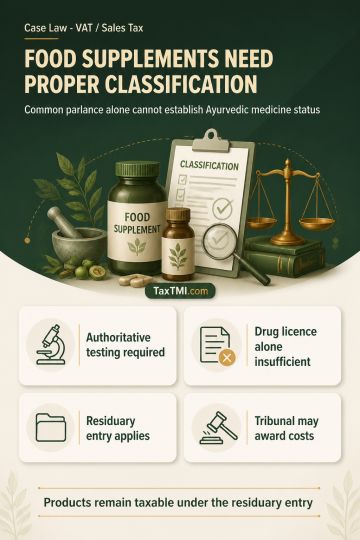
Food supplement classification requires common parlance and authoritative tests, preventing treatment as proprietary Ayurvedic medicines without suppo...
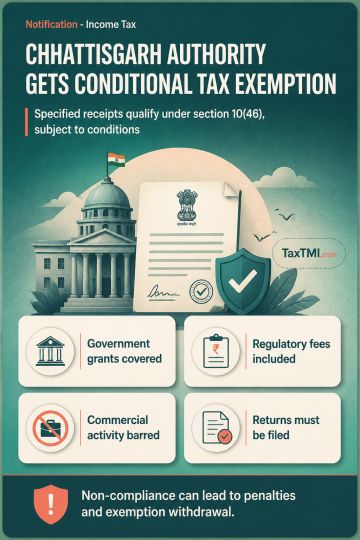
Specified regulatory authority income receives conditional tax exemption, subject to non-commercial activity, unchanged income character, and return f...
Tax exemption for regulatory authority income applies retrospectively, subject to non-commercial activity, unchanged income sources, and return-filing...
Input tax credit conditions remain constitutionally valid, with eligible recipient claims considered under GST circulars and retrospective filing dead...
ITAT set aside CIT(Appeals)/NFAC's ex parte dismissal of assessee's appeal, holding that the appellate authority lacks power to summarily dismiss an appeal for non-prosecution. The tribunal mandated a de novo adjudication, requiring CIT(Appeals)/NFAC to examine the appeal's merits comprehensively under Section 251 of the Income Tax Act. The order directs the appellate authority to pass a reasoned order within three months, emphasizing the statutory obligation to apply judicial mind to all issues, while cautioning the assessee to comply with future hearing notices.
ITAT set aside CIT(Appeals)/NFAC's ex parte dismissal of assessee's appeal, holding that the appellate authority lacks power to summarily dismiss an appeal for non-prosecution. The tribunal mandated a de novo adjudication, requiring CIT(Appeals)/NFAC to examine the appeal's merits comprehensively under Section 251 of the Income Tax Act. The order directs the appellate authority to pass a reasoned order within three months, emphasizing the statutory obligation to apply judicial mind to all issues, while cautioning the assessee to comply with future hearing notices.
Note: It is a system-generated summary and is for quick reference only.
 TaxTMI
 of 4805


















 Join Channel


 TaxTMI