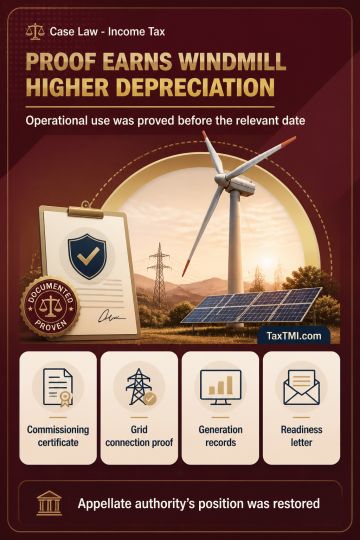
Windmill commissioning evidence supported higher depreciation where grid connection and electricity generation proved operational use before the relev...
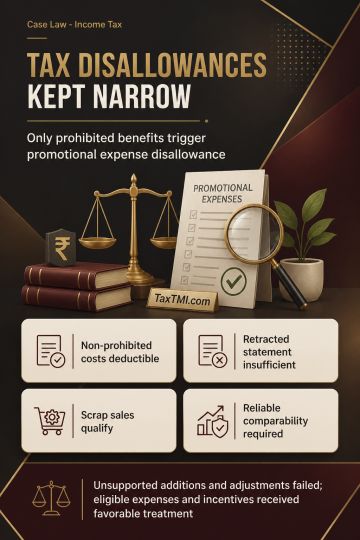
Pharmaceutical promotion and transfer-pricing comparability principles limited disallowances, while uncorroborated search allegations and unsupported ...
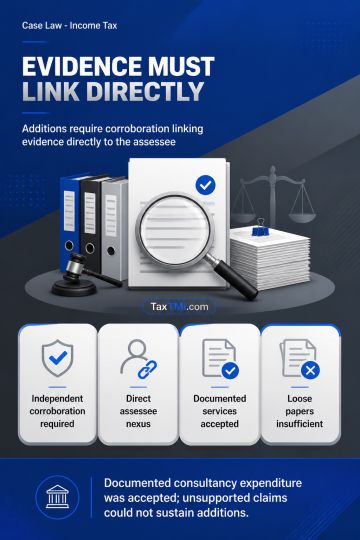
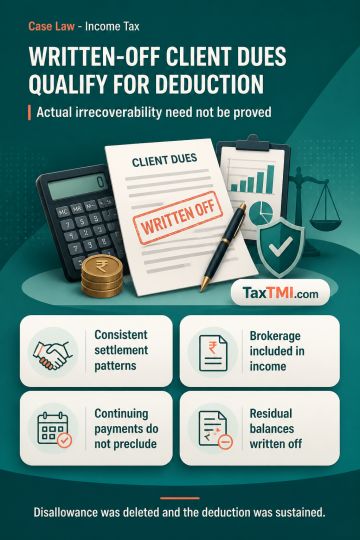
Business expenditure substantiation supports scrap credits, statutory payments and expense claims, while depreciation requires proof of actual busines...
ITAT held that penalty u/s 272A(1)(c) for non-compliance of summons is not sustainable. The tribunal found no substantive evidence of willful default by the assessee. First notice via email was disputed and not conclusively proven as served. Second notice involved a legitimate adjournment request. Third notice was also contested as unserved, with revenue not contradicting the claim. Fourth notice was fully complied with. Applying Section 273B, the tribunal determined reasonable cause existed for the alleged non-compliance. Consequently, the tribunal allowed the assessee's grounds and set aside the penalty proceedings, emphasizing procedural fairness and lack of deliberate contumacy.
ITAT held that penalty u/s 272A(1)(c) for non-compliance of summons is not sustainable. The tribunal found no substantive evidence of willful default by the assessee. First notice via email was disputed and not conclusively proven as served. Second notice involved a legitimate adjournment request. Third notice was also contested as unserved, with revenue not contradicting the claim. Fourth notice was fully complied with. Applying Section 273B, the tribunal determined reasonable cause existed for the alleged non-compliance. Consequently, the tribunal allowed the assessee's grounds and set aside the penalty proceedings, emphasizing procedural fairness and lack of deliberate contumacy.
Note: It is a system-generated summary and is for quick reference only.
 TaxTMI
 of 4803













 Join Channel


 TaxTMI
