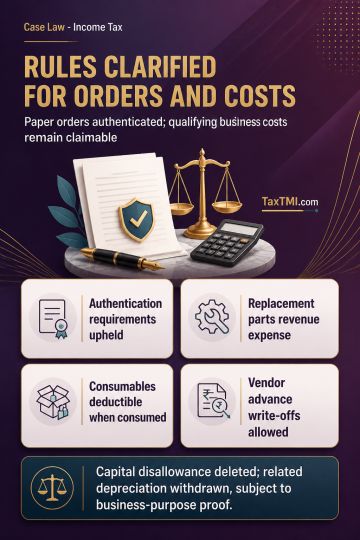
Authentication of paper assessment orders upheld, while qualifying repairs, consumables and vendor advance write-offs remain deductible business claim...
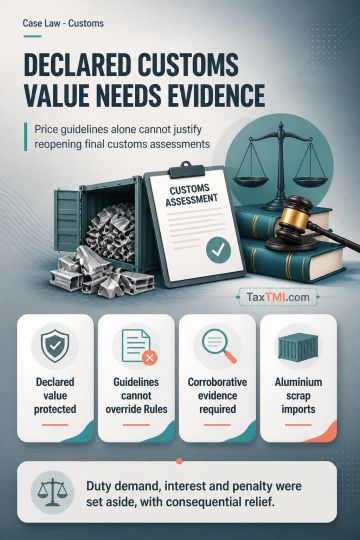
Transaction value cannot be rejected solely on non-statutory valuation guidelines without corroborative evidence supporting reassessment of final cust...
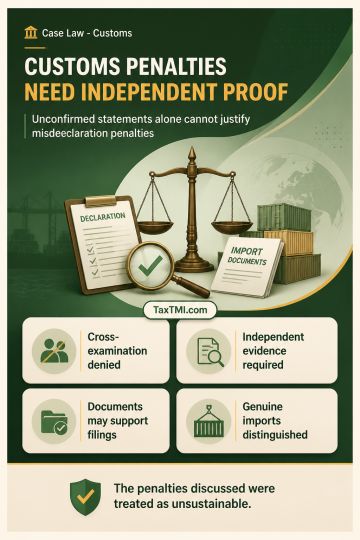
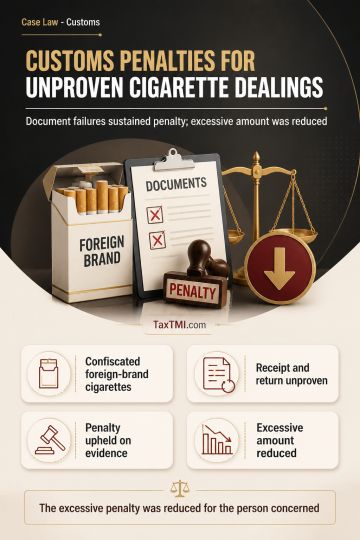
Cross-examination rights and corroborated evidence limit customs penalties for misdeclaration in genuine import transactions involving documented clea...
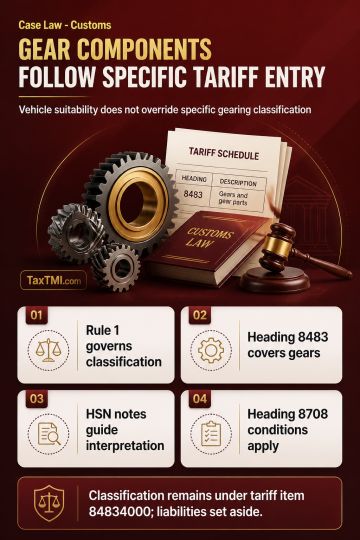
Tariff classification of vehicle gear components follows the specific gearing entry, displacing motor-vehicle parts classification and related liabili...
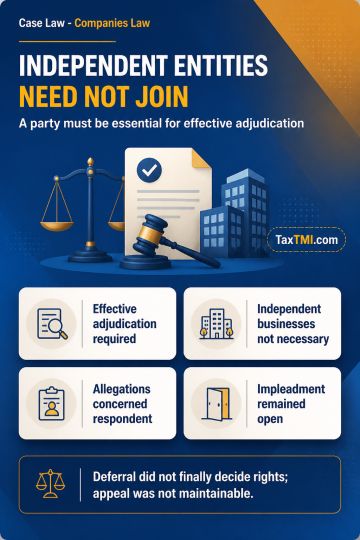
Necessary-party requirements limit impleadment of independent entities, while deferred consideration does not create an appealable adverse determinati...
Legal Circular Analysis: The circular addresses key interpretative issues regarding Section 128A of the Assam GST Act, 2017, specifically clarifying two critical points. First, taxpayers who paid taxes through GSTR-3B before 1st November 2024 remain eligible for benefits under Section 128A, subject to proper officer verification. Second, for notices/orders spanning periods partially covered and outside Section 128A, taxpayers can file specific forms (SPL-01/SPL-02) after paying tax liabilities for covered periods, with appellate authorities empowered to adjudicate remaining periods independently. The guidance aims to provide procedural clarity and administrative flexibility in tax dispute resolution, ensuring uniform implementation across tax jurisdictions.
Legal Circular Analysis: The circular addresses key interpretative issues regarding Section 128A of the Assam GST Act, 2017, specifically clarifying two critical points. First, taxpayers who paid taxes through GSTR-3B before 1st November 2024 remain eligible for benefits under Section 128A, subject to proper officer verification. Second, for notices/orders spanning periods partially covered and outside Section 128A, taxpayers can file specific forms (SPL-01/SPL-02) after paying tax liabilities for covered periods, with appellate authorities empowered to adjudicate remaining periods independently. The guidance aims to provide procedural clarity and administrative flexibility in tax dispute resolution, ensuring uniform implementation across tax jurisdictions.
Note: It is a system-generated summary and is for quick reference only.
 TaxTMI
 of 4803










 Join Channel


 TaxTMI
