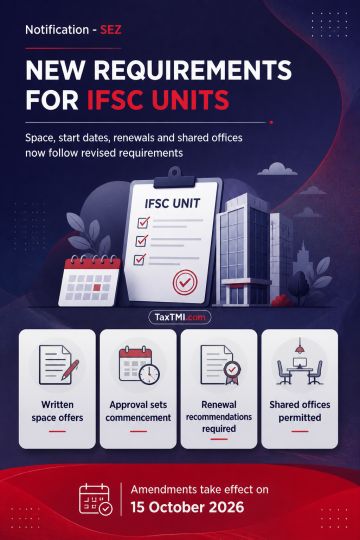
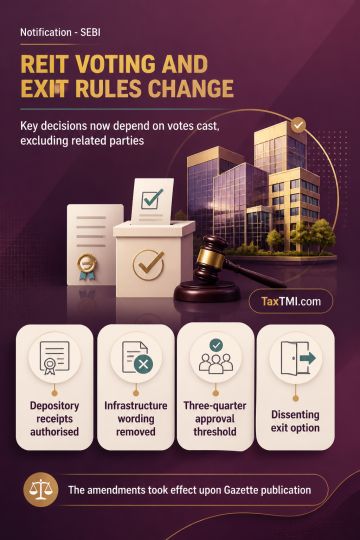
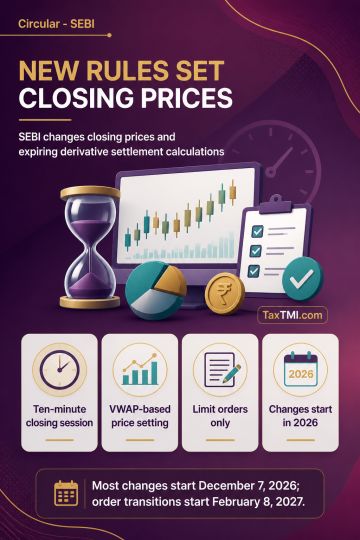
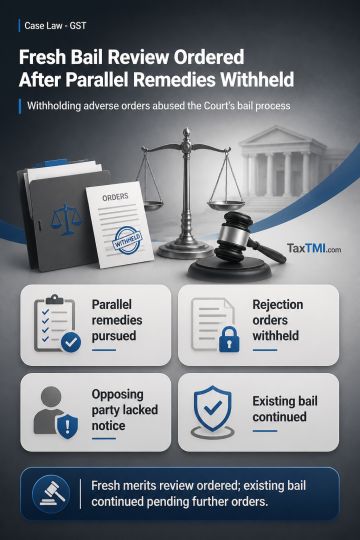
Accredited investor eligibility expands through securities-market exposure, while alternative investment fund disputes require prescribed resolution a...
Customs Assessment Portal centralises classification and valuation guidance to support consistent, transparent and informed compliance across stakehol...
ITAT held that the Assessing Officer (AO) erroneously attempted to classify a loan repayment as a perquisite under Section 2(24)(iv). Upon careful examination, the tribunal determined that the company-employer merely repaid a loan previously extended by the assessee, and the subsequent use of funds by the assessee was not relevant. The loan repayment did not constitute a benefit or discharge of the assessee's obligation. Moreover, the assessee still owed a balance to the employer, further negating the perquisite classification. Consequently, the ITAT allowed the assessee's appeal, rejecting the AO's addition and affirming that the transaction did not meet the statutory criteria for a deemed perquisite.
ITAT held that the Assessing Officer (AO) erroneously attempted to classify a loan repayment as a perquisite under Section 2(24)(iv). Upon careful examination, the tribunal determined that the company-employer merely repaid a loan previously extended by the assessee, and the subsequent use of funds by the assessee was not relevant. The loan repayment did not constitute a benefit or discharge of the assessee's obligation. Moreover, the assessee still owed a balance to the employer, further negating the perquisite classification. Consequently, the ITAT allowed the assessee's appeal, rejecting the AO's addition and affirming that the transaction did not meet the statutory criteria for a deemed perquisite.
Note: It is a system-generated summary and is for quick reference only.
 TaxTMI
  TaxTMI
 of 4921