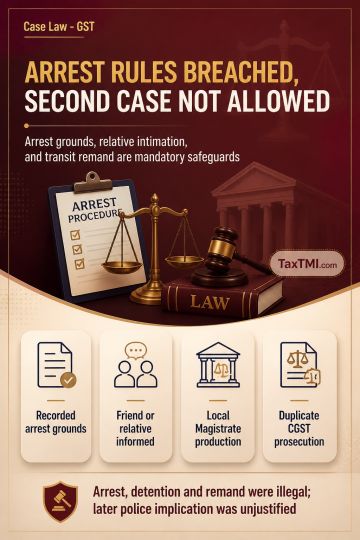
Arrest safeguards require disclosed grounds, relative intimation and transit remand, while duplicate prosecution under the CGST framework is unsustain...
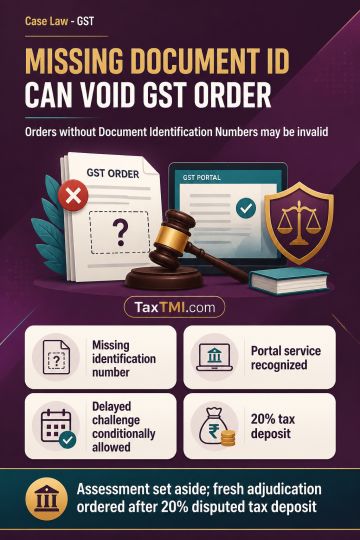
Document Identification Number defects can invalidate GST assessments, with delayed challenges entertained conditionally where patent irregularities e...
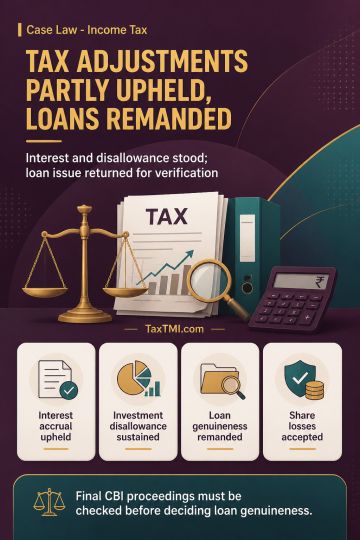
Windmill commissioning evidence supported higher depreciation where grid connection and electricity generation proved operational use before the relev...
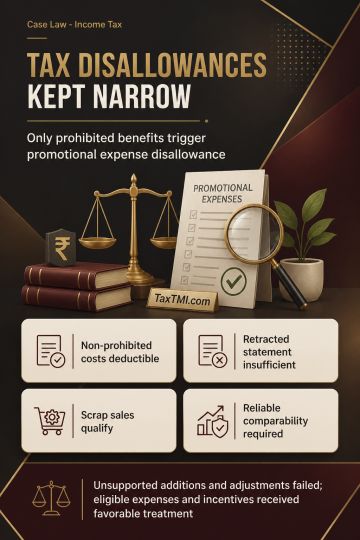
Pharmaceutical promotion and transfer-pricing comparability principles limited disallowances, while uncorroborated search allegations and unsupported ...
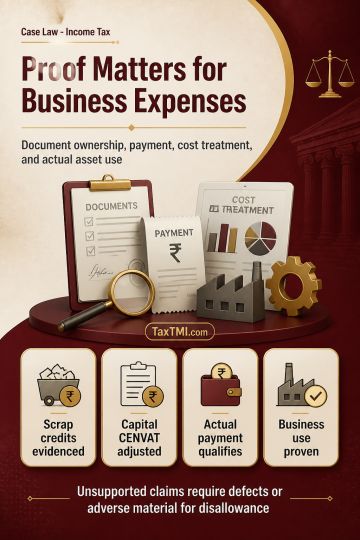
Business expenditure substantiation supports scrap credits, statutory payments and expense claims, while depreciation requires proof of actual busines...
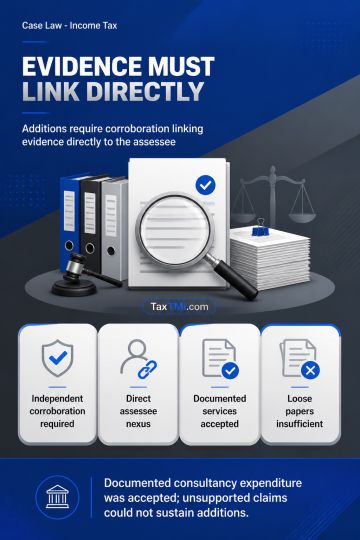
ITAT dismissed Revenue's appeal regarding unexplained expenditure under section 69C. The Tribunal found that the Assessing Officer (AO) erroneously made additions based on unsubstantiated handwritten loose documents without meaningful inquiry. The seized documents lacked corroboration, contained arithmetic mistakes, and did not align with shareholders' records. The Tribunal emphasized that loose sheets are inadmissible without additional evidence under the Indian Evidence Act. The Fair Market Value calculation was deemed appropriate, considering factors like intellectual capital and future profit potential. Ultimately, the appeal was rejected, with the Tribunal concluding that the additions made during the search action were not sacrosanct or conclusive.
ITAT dismissed Revenue's appeal regarding unexplained expenditure under section 69C. The Tribunal found that the Assessing Officer (AO) erroneously made additions based on unsubstantiated handwritten loose documents without meaningful inquiry. The seized documents lacked corroboration, contained arithmetic mistakes, and did not align with shareholders' records. The Tribunal emphasized that loose sheets are inadmissible without additional evidence under the Indian Evidence Act. The Fair Market Value calculation was deemed appropriate, considering factors like intellectual capital and future profit potential. Ultimately, the appeal was rejected, with the Tribunal concluding that the additions made during the search action were not sacrosanct or conclusive.
Note: It is a system-generated summary and is for quick reference only.
 TaxTMI
 of 4805





 Join Channel


 TaxTMI