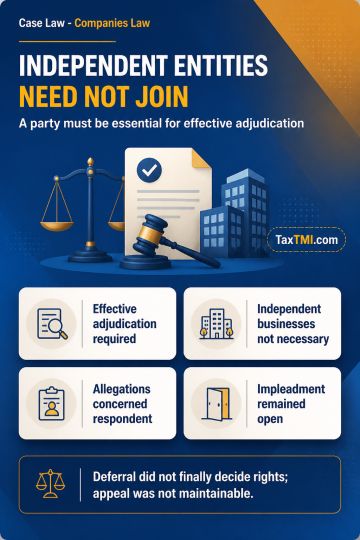
Necessary-party requirements limit impleadment of independent entities, while deferred consideration does not create an appealable adverse determinati...
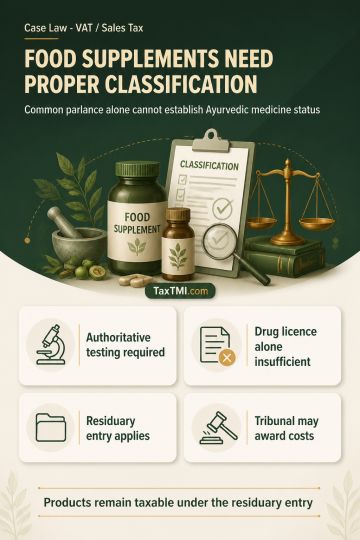
Food supplement classification requires common parlance and authoritative tests, preventing treatment as proprietary Ayurvedic medicines without suppo...
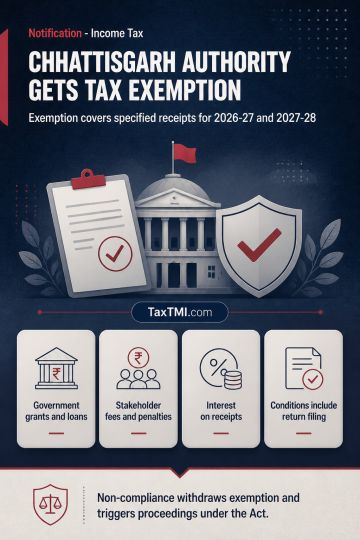
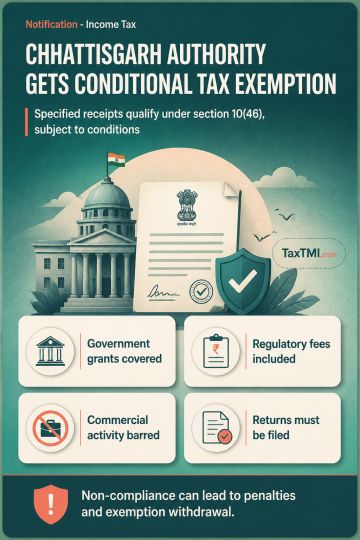
Specified regulatory authority income receives conditional tax exemption, subject to non-commercial activity, unchanged income character, and return f...
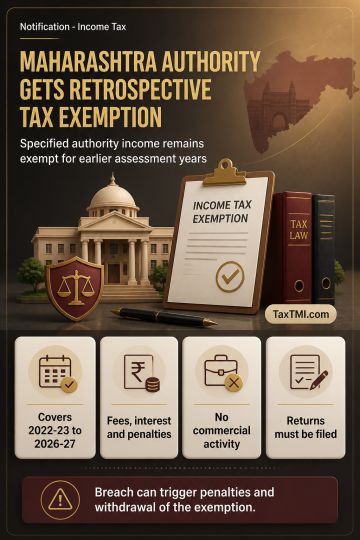
Tax exemption for regulatory authority income applies retrospectively, subject to non-commercial activity, unchanged income sources, and return-filing...
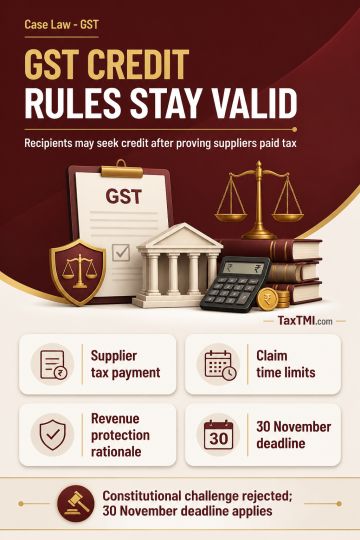
Input tax credit conditions remain constitutionally valid, with eligible recipient claims considered under GST circulars and retrospective filing dead...
ITAT dismissed Revenue's appeal regarding unexplained expenditure under section 69C. The Tribunal found that the Assessing Officer (AO) erroneously made additions based on unsubstantiated handwritten loose documents without meaningful inquiry. The seized documents lacked corroboration, contained arithmetic mistakes, and did not align with shareholders' records. The Tribunal emphasized that loose sheets are inadmissible without additional evidence under the Indian Evidence Act. The Fair Market Value calculation was deemed appropriate, considering factors like intellectual capital and future profit potential. Ultimately, the appeal was rejected, with the Tribunal concluding that the additions made during the search action were not sacrosanct or conclusive.
ITAT dismissed Revenue's appeal regarding unexplained expenditure under section 69C. The Tribunal found that the Assessing Officer (AO) erroneously made additions based on unsubstantiated handwritten loose documents without meaningful inquiry. The seized documents lacked corroboration, contained arithmetic mistakes, and did not align with shareholders' records. The Tribunal emphasized that loose sheets are inadmissible without additional evidence under the Indian Evidence Act. The Fair Market Value calculation was deemed appropriate, considering factors like intellectual capital and future profit potential. Ultimately, the appeal was rejected, with the Tribunal concluding that the additions made during the search action were not sacrosanct or conclusive.
Note: It is a system-generated summary and is for quick reference only.
 TaxTMI
 of 4805







 Join Channel


 TaxTMI

