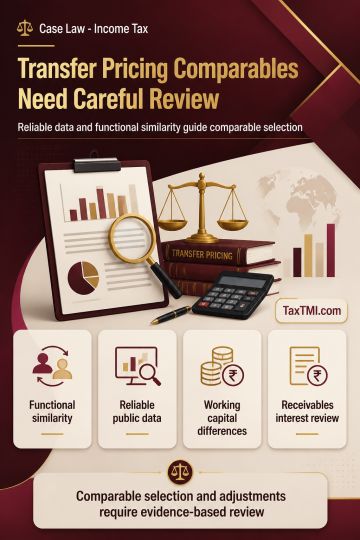
Transfer pricing comparability requires functional alignment, reliable financial data, and careful review of working capital and receivables adjustmen...
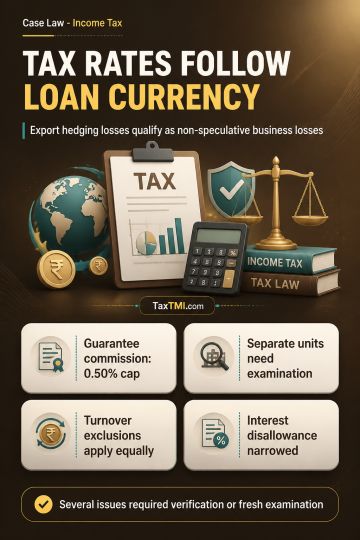
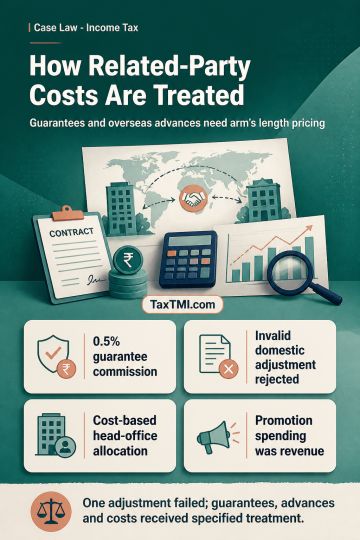
Transfer pricing rules require benchmarking corporate guarantees and associated-enterprise advances, while invalid domestic-transaction adjustments ca...
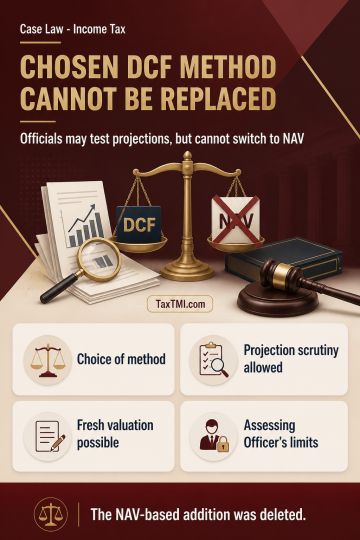
ITAT dismissed Revenue's appeal regarding unexplained expenditure under section 69C. The Tribunal found that the Assessing Officer (AO) erroneously made additions based on unsubstantiated handwritten loose documents without meaningful inquiry. The seized documents lacked corroboration, contained arithmetic mistakes, and did not align with shareholders' records. The Tribunal emphasized that loose sheets are inadmissible without additional evidence under the Indian Evidence Act. The Fair Market Value calculation was deemed appropriate, considering factors like intellectual capital and future profit potential. Ultimately, the appeal was rejected, with the Tribunal concluding that the additions made during the search action were not sacrosanct or conclusive.
ITAT dismissed Revenue's appeal regarding unexplained expenditure under section 69C. The Tribunal found that the Assessing Officer (AO) erroneously made additions based on unsubstantiated handwritten loose documents without meaningful inquiry. The seized documents lacked corroboration, contained arithmetic mistakes, and did not align with shareholders' records. The Tribunal emphasized that loose sheets are inadmissible without additional evidence under the Indian Evidence Act. The Fair Market Value calculation was deemed appropriate, considering factors like intellectual capital and future profit potential. Ultimately, the appeal was rejected, with the Tribunal concluding that the additions made during the search action were not sacrosanct or conclusive.
Note: It is a system-generated summary and is for quick reference only.
 TaxTMI
 of 4803




 Join Channel


 TaxTMI
