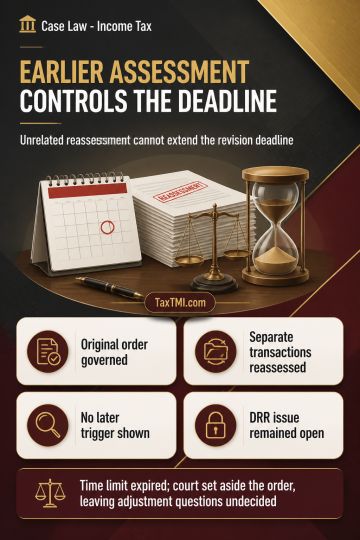
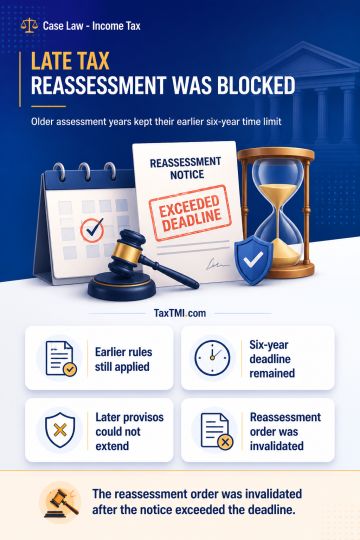
Pre-amendment reassessment limitation bars late notices under the preserved regime, invalidating consequential reassessment for affected earlier asses...
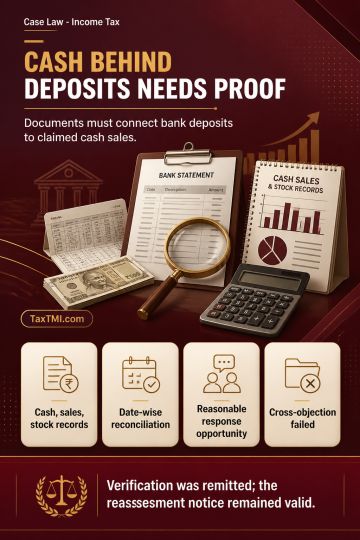
Cash-sales explanations for bank deposits require documentary reconciliation; reassessment notice survived where effective response time was available...
Functional comparability in transfer pricing prevents ad hoc arm's length adjustments where functions, assets, risks and reliable comparables are unes...
ITAT dismissed Revenue's appeal regarding unexplained expenditure under section 69C. The Tribunal found that the Assessing Officer (AO) erroneously made additions based on unsubstantiated handwritten loose documents without meaningful inquiry. The seized documents lacked corroboration, contained arithmetic mistakes, and did not align with shareholders' records. The Tribunal emphasized that loose sheets are inadmissible without additional evidence under the Indian Evidence Act. The Fair Market Value calculation was deemed appropriate, considering factors like intellectual capital and future profit potential. Ultimately, the appeal was rejected, with the Tribunal concluding that the additions made during the search action were not sacrosanct or conclusive.
ITAT dismissed Revenue's appeal regarding unexplained expenditure under section 69C. The Tribunal found that the Assessing Officer (AO) erroneously made additions based on unsubstantiated handwritten loose documents without meaningful inquiry. The seized documents lacked corroboration, contained arithmetic mistakes, and did not align with shareholders' records. The Tribunal emphasized that loose sheets are inadmissible without additional evidence under the Indian Evidence Act. The Fair Market Value calculation was deemed appropriate, considering factors like intellectual capital and future profit potential. Ultimately, the appeal was rejected, with the Tribunal concluding that the additions made during the search action were not sacrosanct or conclusive.
Note: It is a system-generated summary and is for quick reference only.
 TaxTMI
  TaxTMI
 of 4918