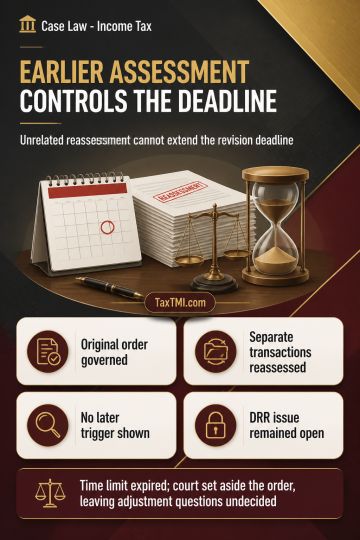
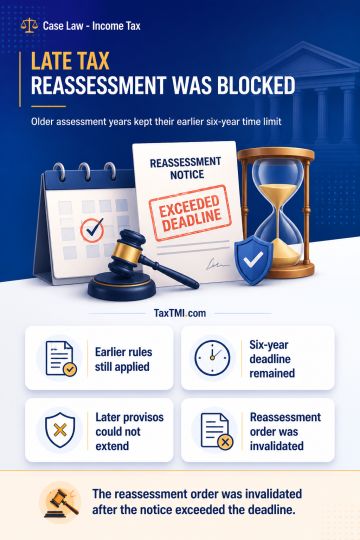
Pre-amendment reassessment limitation bars late notices under the preserved regime, invalidating consequential reassessment for affected earlier asses...
Cash-sales explanations for bank deposits require documentary reconciliation; reassessment notice survived where effective response time was available...
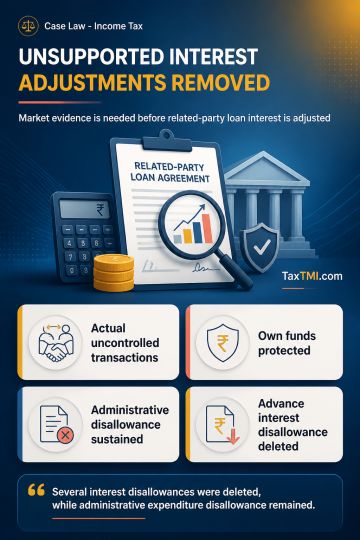
Functional comparability in transfer pricing prevents ad hoc arm's length adjustments where functions, assets, risks and reliable comparables are unes...
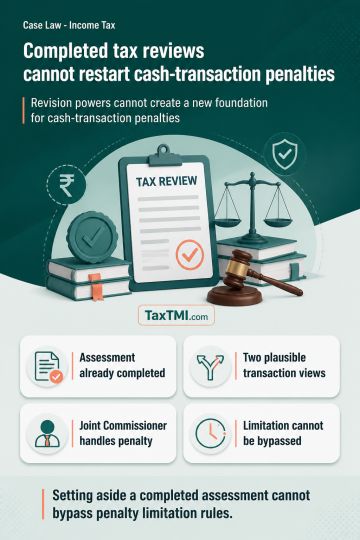
ITAT upheld the PCIT's revisionary order u/s 263, rejecting the assessee's contentions. The Tribunal found no illegality in the revision proceedings, noting that the AO failed to properly apply mandatory provisions of section 115BBE for additions u/s 68 and erroneously initiated penalty proceedings u/s 271(1)(c) instead of 271AAC. The Tribunal determined that the PCIT was justified in exercising revisionary powers since the issues raised were not pending before the First Appellate Authority and materially impacted revenue interests. The assessee's appeal challenging the revisionary order was consequently dismissed, affirming the PCIT's order as legally sound and procedurally correct.
ITAT upheld the PCIT's revisionary order u/s 263, rejecting the assessee's contentions. The Tribunal found no illegality in the revision proceedings, noting that the AO failed to properly apply mandatory provisions of section 115BBE for additions u/s 68 and erroneously initiated penalty proceedings u/s 271(1)(c) instead of 271AAC. The Tribunal determined that the PCIT was justified in exercising revisionary powers since the issues raised were not pending before the First Appellate Authority and materially impacted revenue interests. The assessee's appeal challenging the revisionary order was consequently dismissed, affirming the PCIT's order as legally sound and procedurally correct.
Note: It is a system-generated summary and is for quick reference only.
 TaxTMI
  TaxTMI
 of 4918