Arrest safeguards and transit remand requirements invalidated detention following inter-State transfer without communicated grounds or magistrate auth...
Arrest safeguards require disclosed grounds, relative intimation and transit remand, while duplicate prosecution under the CGST framework is unsustain...
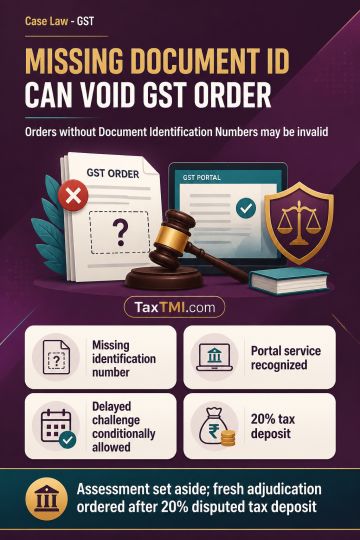
Document Identification Number defects can invalidate GST assessments, with delayed challenges entertained conditionally where patent irregularities e...
Windmill commissioning evidence supported higher depreciation where grid connection and electricity generation proved operational use before the relev...
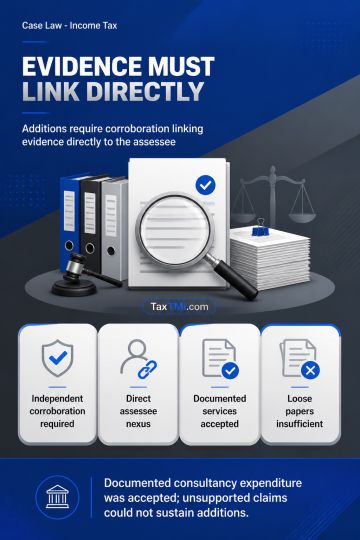
Pharmaceutical promotion and transfer-pricing comparability principles limited disallowances, while uncorroborated search allegations and unsupported ...
Business expenditure substantiation supports scrap credits, statutory payments and expense claims, while depreciation requires proof of actual busines...
CESTAT adjudicated an EPCG license dispute concerning export obligation fulfillment. The tribunal found that the DGFT had already certified partial and subsequent full export obligation achievement by the appellant. Despite initial departmental allegations of non-compliance, the DGFT's subsequent certification conclusively established export obligation completion. The tribunal relied on established precedent, determining that DGFT remains the competent authority for evaluating export obligation policy compliance. Consequently, the tribunal set aside customs duty demands, interest, and penalties imposed against the appellant, ruling the departmental action legally unsustainable. The decision effectively validated the appellant's export performance and nullified punitive measures.
CESTAT adjudicated an EPCG license dispute concerning export obligation fulfillment. The tribunal found that the DGFT had already certified partial and subsequent full export obligation achievement by the appellant. Despite initial departmental allegations of non-compliance, the DGFT's subsequent certification conclusively established export obligation completion. The tribunal relied on established precedent, determining that DGFT remains the competent authority for evaluating export obligation policy compliance. Consequently, the tribunal set aside customs duty demands, interest, and penalties imposed against the appellant, ruling the departmental action legally unsustainable. The decision effectively validated the appellant's export performance and nullified punitive measures.
Note: It is a system-generated summary and is for quick reference only.
 TaxTMI
 of 4792


















 Join Channel


 TaxTMI