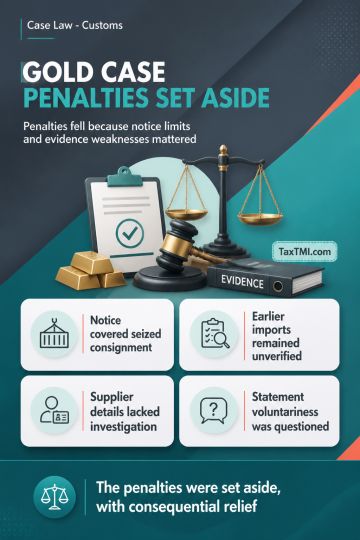
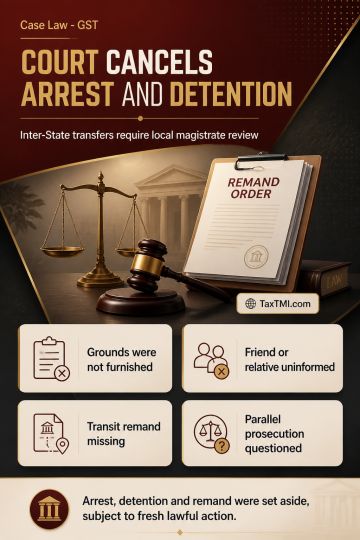
Arrest safeguards and transit remand requirements invalidated detention following inter-State transfer without communicated grounds or magistrate auth...
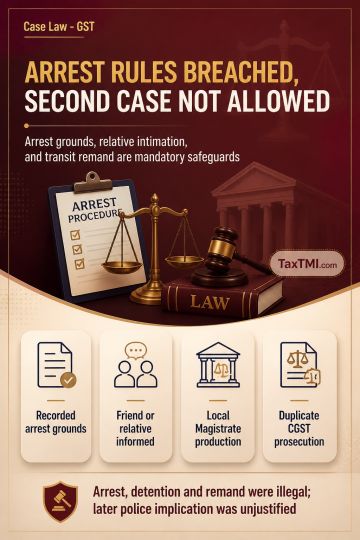
Arrest safeguards require disclosed grounds, relative intimation and transit remand, while duplicate prosecution under the CGST framework is unsustain...
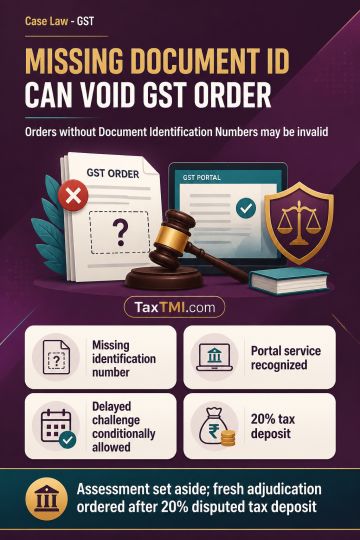
Document Identification Number defects can invalidate GST assessments, with delayed challenges entertained conditionally where patent irregularities e...
Windmill commissioning evidence supported higher depreciation where grid connection and electricity generation proved operational use before the relev...
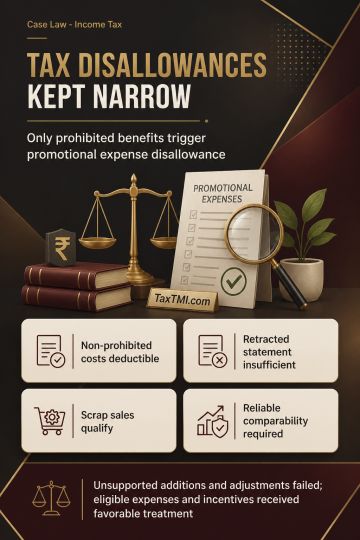
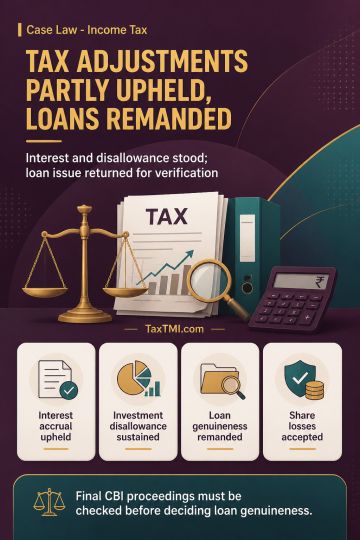
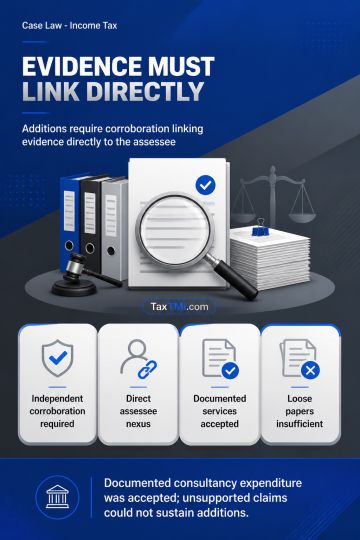
Pharmaceutical promotion and transfer-pricing comparability principles limited disallowances, while uncorroborated search allegations and unsupported ...
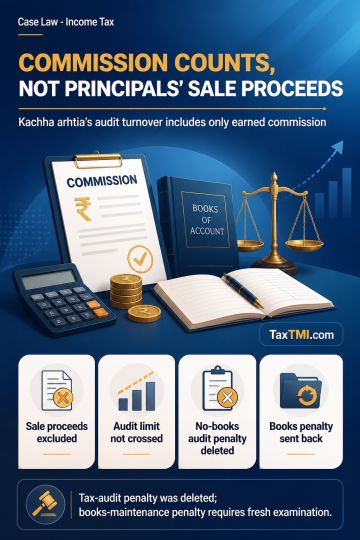
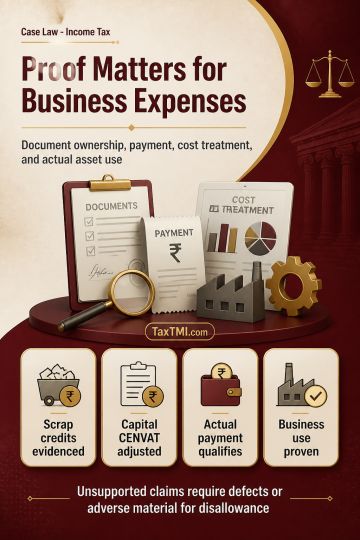
Business expenditure substantiation supports scrap credits, statutory payments and expense claims, while depreciation requires proof of actual busines...
SC allows writ petition, directing consolidation of multiple FIRs across eight states into a principal FIR. The Court mandates that subsequent FIRs be treated as supplementary statements, with investigating officers permitted to file supplementary chargeesheets. Bail granted in the principal proceeding will extend to clubbed cases, with Special Courts authorized to require fresh bail applications for specific offenses under special enactments. The order specifically applies to IPC and state-level statutory offenses, with separate proceedings maintained for Chhattisgarh and Delhi jurisdictions, exercising constitutional powers under Articles 32 and 142.
SC allows writ petition, directing consolidation of multiple FIRs across eight states into a principal FIR. The Court mandates that subsequent FIRs be treated as supplementary statements, with investigating officers permitted to file supplementary chargeesheets. Bail granted in the principal proceeding will extend to clubbed cases, with Special Courts authorized to require fresh bail applications for specific offenses under special enactments. The order specifically applies to IPC and state-level statutory offenses, with separate proceedings maintained for Chhattisgarh and Delhi jurisdictions, exercising constitutional powers under Articles 32 and 142.
Note: It is a system-generated summary and is for quick reference only.
 TaxTMI
 of 4792






 Join Channel


 TaxTMI