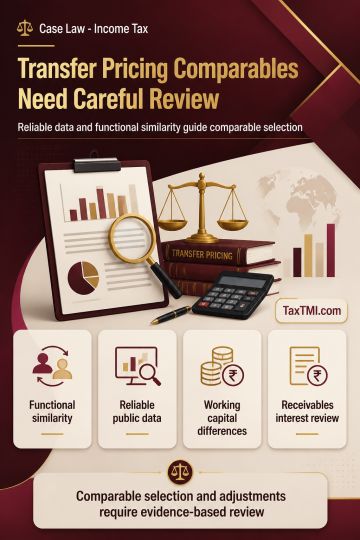
Transfer pricing comparability requires functional alignment, reliable financial data, and careful review of working capital and receivables adjustmen...
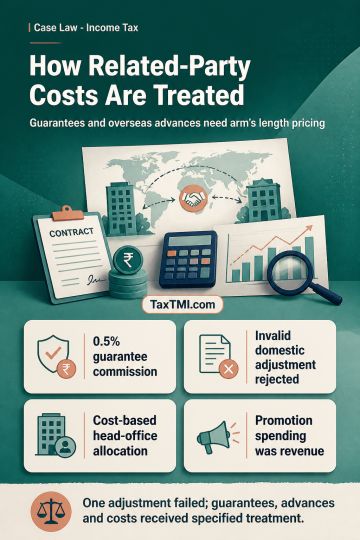
Transfer pricing rules require benchmarking corporate guarantees and associated-enterprise advances, while invalid domestic-transaction adjustments ca...
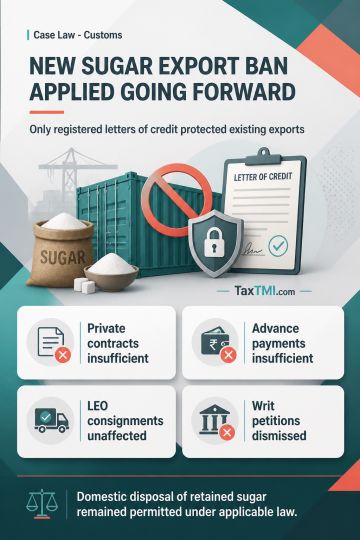
Prospective sugar export prohibition required registered letters of credit; private contracts and export quotas created no enforceable continuation ri...
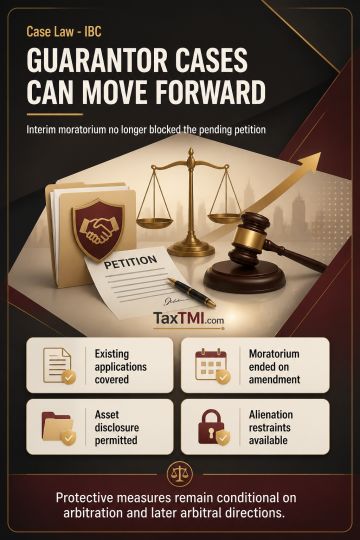
Retroactive interim-moratorium exclusion permits protective asset disclosure and preservation measures against personal guarantors pending arbitration...
AAR determined that medicines and consumables supplied to in-patients as part of healthcare services constitute a composite supply exempt from GST. The services, including medical, pharmaceutical, and paramedical interventions from admission to discharge, are classified under inpatient services. The hospital, as a clinical establishment providing healthcare under medical direction, qualifies for exemption under Notification No. 12/2017-CT(Rate). The supply of medicines and consumables to in-patients is naturally bundled with principal healthcare services and therefore considered a single composite supply, rendering the entire service tax-exempt. Notably, this exemption applies specifically to in-patient services and differs from out-patient medical supply treatments.
AAR determined that medicines and consumables supplied to in-patients as part of healthcare services constitute a composite supply exempt from GST. The services, including medical, pharmaceutical, and paramedical interventions from admission to discharge, are classified under inpatient services. The hospital, as a clinical establishment providing healthcare under medical direction, qualifies for exemption under Notification No. 12/2017-CT(Rate). The supply of medicines and consumables to in-patients is naturally bundled with principal healthcare services and therefore considered a single composite supply, rendering the entire service tax-exempt. Notably, this exemption applies specifically to in-patient services and differs from out-patient medical supply treatments.
Note: It is a system-generated summary and is for quick reference only.
 TaxTMI
 of 4792



 Join Channel


 TaxTMI