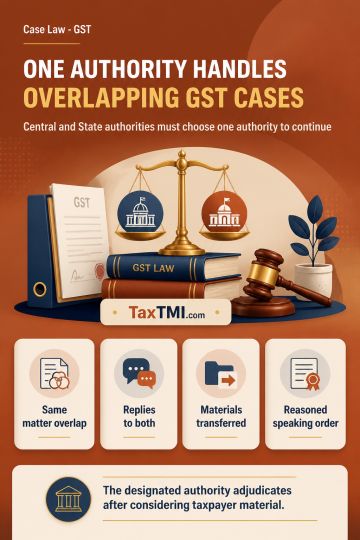
Overlapping GST proceedings require Central and State authorities to designate one competent authority for coordinated adjudication of the same matter...
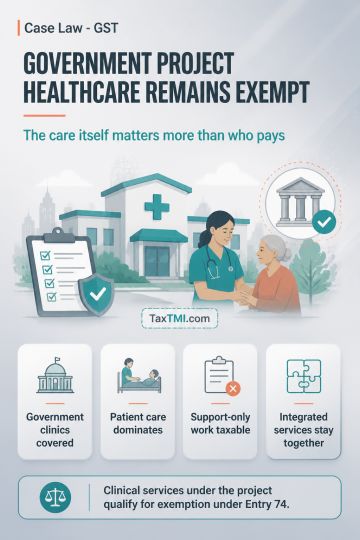
Composite healthcare supplies retain exemption when patient care is the contract's essential character, despite payment through an implementing agency...
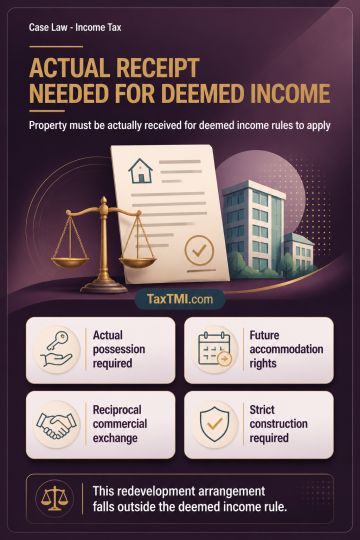
Receipt of immovable property requires actual possession or enjoyment; redevelopment allotments exchanged for tenancy rights fall outside deemed incom...
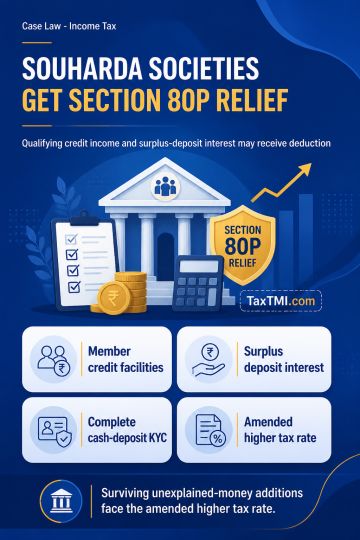
Section 80P deduction covers Souharda credit societies, including qualifying surplus-deposit interest, subject to member KYC verification for cash dep...
ITAT allowed the appeal, setting aside both AO and CIT(A) orders due to procedural irregularities. The appellate authority failed to adjudicate issues on merits as mandated under Section 250(6), and the AO made additions without substantive inquiry into expense claims. The tribunal found no specific defects in the assessee's expense documentation and determined that neither the assessment order nor the appellate order was legally sustainable. The matter was remanded to the AO for a de novo assessment, with the appeal allowed for statistical purposes, ensuring a comprehensive re-examination of the original expense claims and proportionate calculations.
ITAT allowed the appeal, setting aside both AO and CIT(A) orders due to procedural irregularities. The appellate authority failed to adjudicate issues on merits as mandated under Section 250(6), and the AO made additions without substantive inquiry into expense claims. The tribunal found no specific defects in the assessee's expense documentation and determined that neither the assessment order nor the appellate order was legally sustainable. The matter was remanded to the AO for a de novo assessment, with the appeal allowed for statistical purposes, ensuring a comprehensive re-examination of the original expense claims and proportionate calculations.
Note: It is a system-generated summary and is for quick reference only.
 TaxTMI
 of 4803






 Join Channel


 TaxTMI