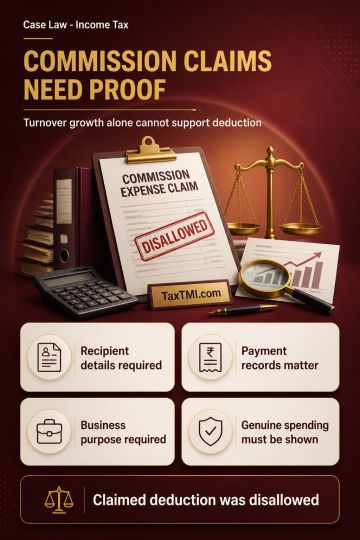
Business expenditure deduction requires proof of genuine commission payments and commercial allowability; turnover growth alone cannot validate the cl...
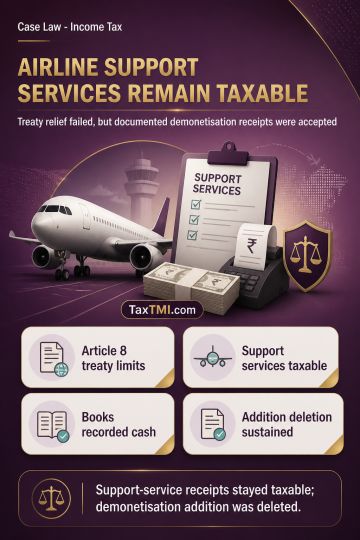
Article 8 treaty coverage excluded third-party airline support services, while documented demonetisation cash receipts remained accepted business inco...
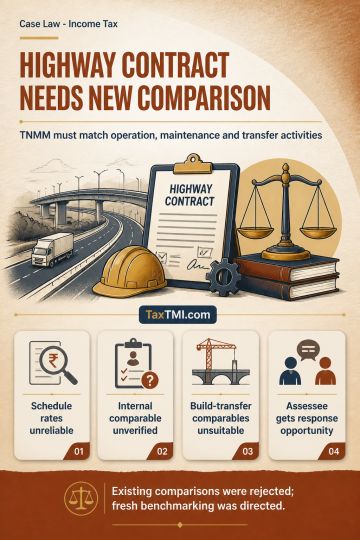
Functional comparability under TNMM requires highway contract benchmarks to reflect operation, maintenance and transfer activities, requiring fresh be...
ITAT allowed the appeal, setting aside both AO and CIT(A) orders due to procedural irregularities. The appellate authority failed to adjudicate issues on merits as mandated under Section 250(6), and the AO made additions without substantive inquiry into expense claims. The tribunal found no specific defects in the assessee's expense documentation and determined that neither the assessment order nor the appellate order was legally sustainable. The matter was remanded to the AO for a de novo assessment, with the appeal allowed for statistical purposes, ensuring a comprehensive re-examination of the original expense claims and proportionate calculations.
ITAT allowed the appeal, setting aside both AO and CIT(A) orders due to procedural irregularities. The appellate authority failed to adjudicate issues on merits as mandated under Section 250(6), and the AO made additions without substantive inquiry into expense claims. The tribunal found no specific defects in the assessee's expense documentation and determined that neither the assessment order nor the appellate order was legally sustainable. The matter was remanded to the AO for a de novo assessment, with the appeal allowed for statistical purposes, ensuring a comprehensive re-examination of the original expense claims and proportionate calculations.
Note: It is a system-generated summary and is for quick reference only.
 TaxTMI
 of 4792



 Join Channel


 TaxTMI
