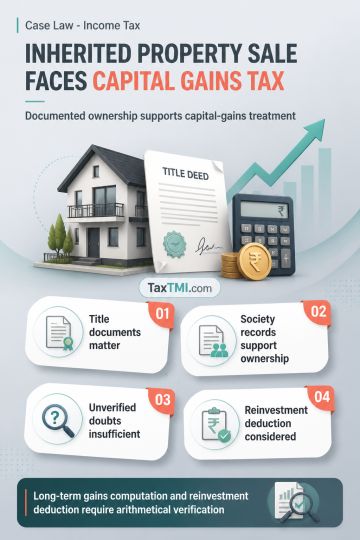
Inherited property sale proceeds require capital-gains treatment where ownership is supported by evidence, not suspicion or unverified signature doubt...
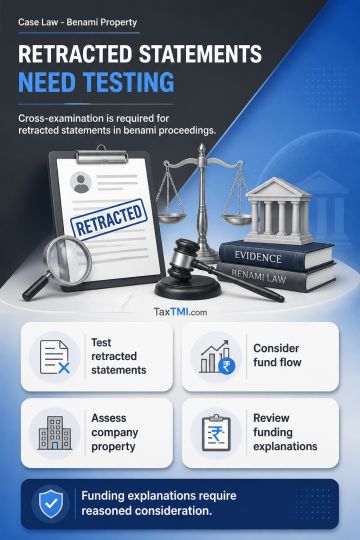
Cross-examination of retracted statements is essential where foundational evidence supports a benami allegation and documented funding explanations re...
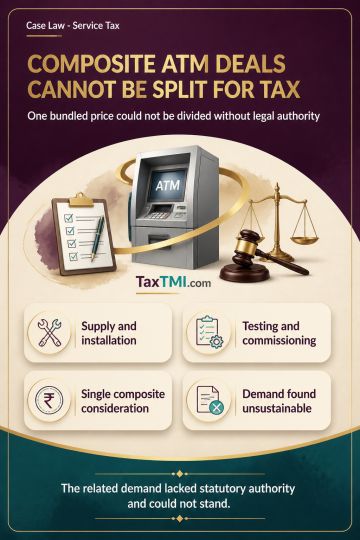
Capital-goods exemption covers plant-modernisation accessories, while the import restriction applies only to earlier capital-goods components and spar...
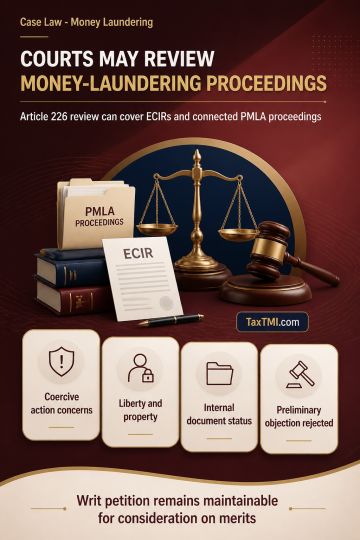
Constitutional judicial review permits challenges to ECIRs and connected money-laundering proceedings where coercive action affects fundamental intere...
ITAT allowed the appeal, setting aside both AO and CIT(A) orders due to procedural irregularities. The appellate authority failed to adjudicate issues on merits as mandated under Section 250(6), and the AO made additions without substantive inquiry into expense claims. The tribunal found no specific defects in the assessee's expense documentation and determined that neither the assessment order nor the appellate order was legally sustainable. The matter was remanded to the AO for a de novo assessment, with the appeal allowed for statistical purposes, ensuring a comprehensive re-examination of the original expense claims and proportionate calculations.
ITAT allowed the appeal, setting aside both AO and CIT(A) orders due to procedural irregularities. The appellate authority failed to adjudicate issues on merits as mandated under Section 250(6), and the AO made additions without substantive inquiry into expense claims. The tribunal found no specific defects in the assessee's expense documentation and determined that neither the assessment order nor the appellate order was legally sustainable. The matter was remanded to the AO for a de novo assessment, with the appeal allowed for statistical purposes, ensuring a comprehensive re-examination of the original expense claims and proportionate calculations.
Note: It is a system-generated summary and is for quick reference only.
 TaxTMI
 of 4790








 Join Channel


 TaxTMI