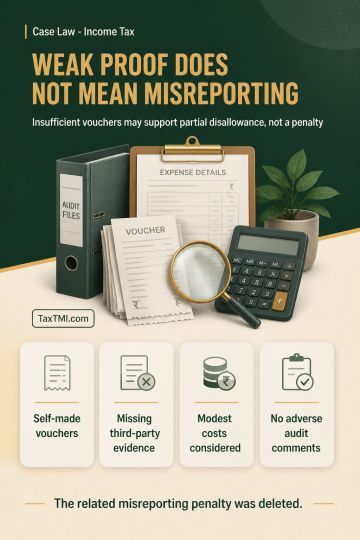
Authentication of paper assessment orders upheld, while qualifying repairs, consumables and vendor advance write-offs remain deductible business claim...
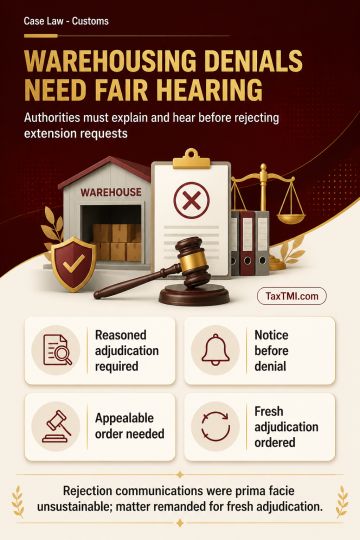
Transaction value cannot be rejected solely on non-statutory valuation guidelines without corroborative evidence supporting reassessment of final cust...
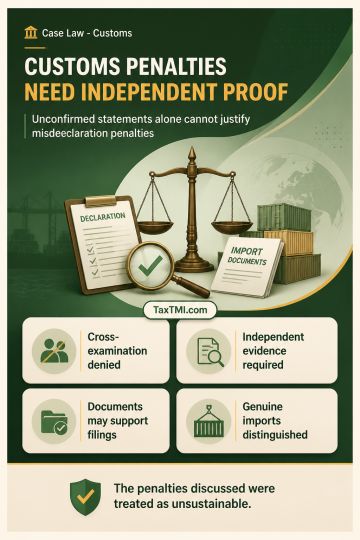
Cross-examination rights and corroborated evidence limit customs penalties for misdeclaration in genuine import transactions involving documented clea...
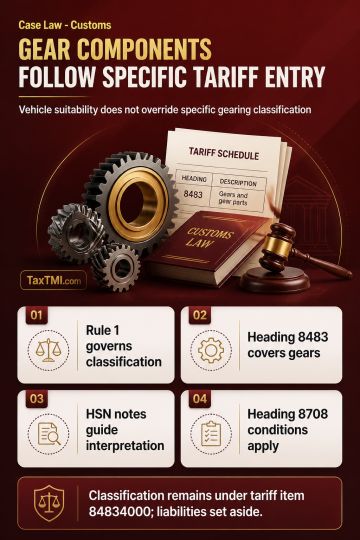
Tariff classification of vehicle gear components follows the specific gearing entry, displacing motor-vehicle parts classification and related liabili...
In a dispute involving corporate governance and alleged oppressive conduct, the Tri examined multiple allegations against the Respondent No. 1 Company. After comprehensive review of claims including unauthorized share buy-back, remuneration discrepancies, and potential fraudulent transactions, the Tri found no substantive evidence of oppressive practices. The tribunal determined that the Petitioner failed to establish grounds under Section 213 of the Companies Act, 2013. Key findings included: legitimate employment perquisites, timely insurance policy credits, and no proven benami property transactions. The board's dividend discretion was affirmed, and procedural challenges were deemed time-barred. Consequently, the Tri dismissed the petition, ruling no oppressive conduct was demonstrated.
In a dispute involving corporate governance and alleged oppressive conduct, the Tri examined multiple allegations against the Respondent No. 1 Company. After comprehensive review of claims including unauthorized share buy-back, remuneration discrepancies, and potential fraudulent transactions, the Tri found no substantive evidence of oppressive practices. The tribunal determined that the Petitioner failed to establish grounds under Section 213 of the Companies Act, 2013. Key findings included: legitimate employment perquisites, timely insurance policy credits, and no proven benami property transactions. The board's dividend discretion was affirmed, and procedural challenges were deemed time-barred. Consequently, the Tri dismissed the petition, ruling no oppressive conduct was demonstrated.
Note: It is a system-generated summary and is for quick reference only.
 TaxTMI
 of 4794














 Join Channel


 TaxTMI