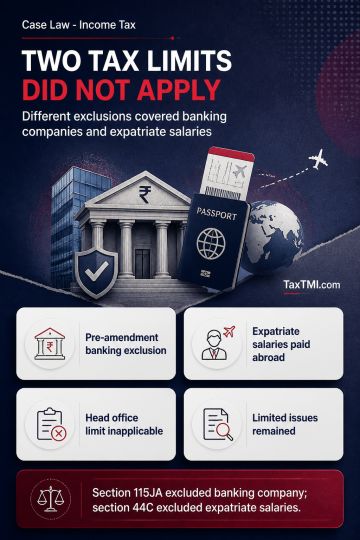
Minimum alternate tax exclusions for pre-amendment banking companies and expatriate Indian branch salaries remain outside head office expenditure limi...
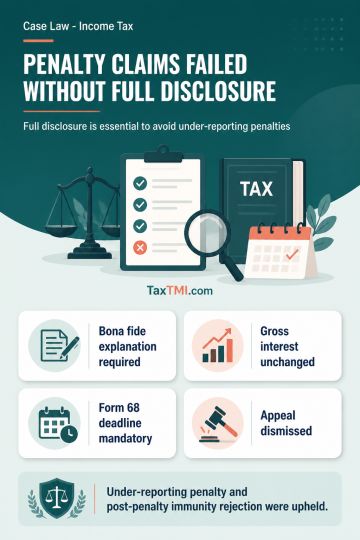
Bona fide disclosure requirements govern under-reporting penalties, and post-penalty immunity applications cannot secure available statutory protectio...
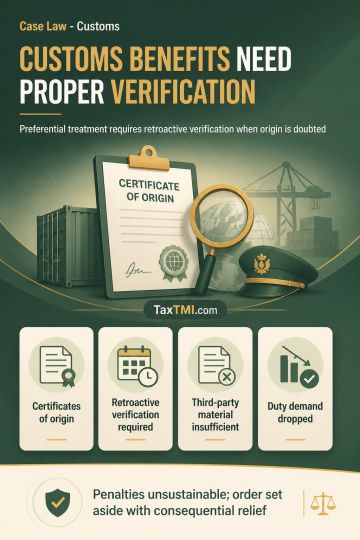
Certificate-of-origin verification procedure governs preferential customs benefits; denial without retroactive verification was set aside with consequ...
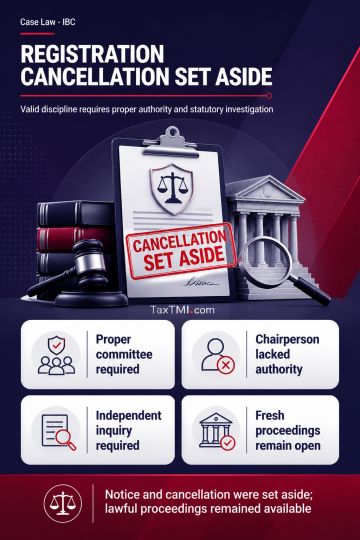
Disciplinary Committee jurisdiction and mandatory investigation requirements invalidated cancellation of an insolvency professional's registration and...
NCLAT dismissed the appeal, affirming the financial debt of Rs. 2.5 Crores against the corporate debtor. The tribunal held that the default was established through audited financial statements dated 31.01.2019, which predates the Section 10A exemption period. The information utility record and financial statements conclusively proved the debt, and the liquidator was legally authorized to initiate Corporate Insolvency Resolution Process (CIRP) proceedings. The court rejected appellant's contentions regarding lack of written documentation and challenged the liquidator's right to pursue legal recovery, ultimately upholding the financial creditor's claim.
NCLAT dismissed the appeal, affirming the financial debt of Rs. 2.5 Crores against the corporate debtor. The tribunal held that the default was established through audited financial statements dated 31.01.2019, which predates the Section 10A exemption period. The information utility record and financial statements conclusively proved the debt, and the liquidator was legally authorized to initiate Corporate Insolvency Resolution Process (CIRP) proceedings. The court rejected appellant's contentions regarding lack of written documentation and challenged the liquidator's right to pursue legal recovery, ultimately upholding the financial creditor's claim.
Note: It is a system-generated summary and is for quick reference only.
 TaxTMI
 of 4801





 Join Channel


 TaxTMI