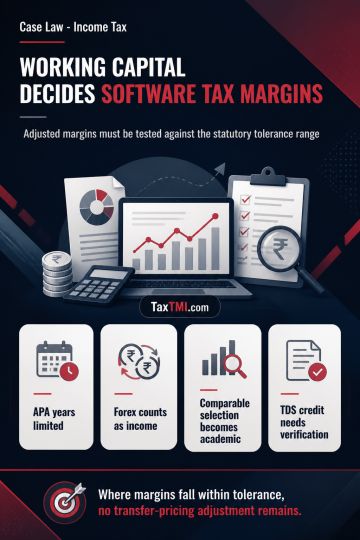
Working-capital adjustment determines whether software-services transfer-pricing margins fall within the statutory tolerance range, eliminating any ad...
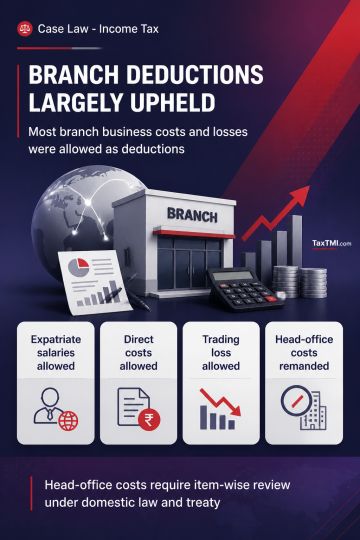
Permanent establishment deductions upheld for expatriate salaries, direct costs and trading losses, while head-office costs require fresh classificati...
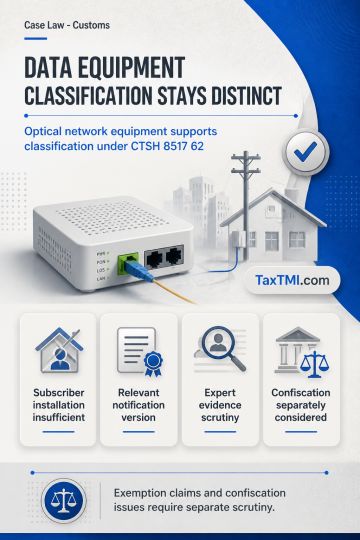
Data transmission equipment classification under CTSH 8517 62 remains distinct from residual classification, with exemption evidence requiring scrutin...
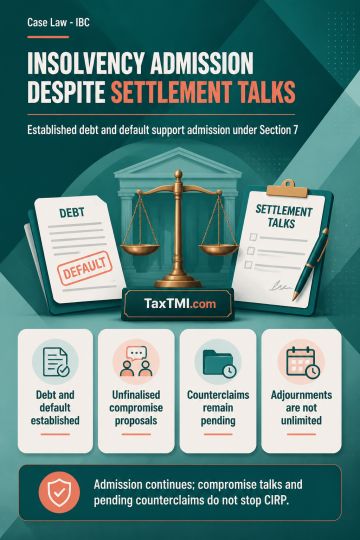
NCLAT dismissed the appeal, affirming the financial debt of Rs. 2.5 Crores against the corporate debtor. The tribunal held that the default was established through audited financial statements dated 31.01.2019, which predates the Section 10A exemption period. The information utility record and financial statements conclusively proved the debt, and the liquidator was legally authorized to initiate Corporate Insolvency Resolution Process (CIRP) proceedings. The court rejected appellant's contentions regarding lack of written documentation and challenged the liquidator's right to pursue legal recovery, ultimately upholding the financial creditor's claim.
NCLAT dismissed the appeal, affirming the financial debt of Rs. 2.5 Crores against the corporate debtor. The tribunal held that the default was established through audited financial statements dated 31.01.2019, which predates the Section 10A exemption period. The information utility record and financial statements conclusively proved the debt, and the liquidator was legally authorized to initiate Corporate Insolvency Resolution Process (CIRP) proceedings. The court rejected appellant's contentions regarding lack of written documentation and challenged the liquidator's right to pursue legal recovery, ultimately upholding the financial creditor's claim.
Note: It is a system-generated summary and is for quick reference only.
 TaxTMI
 of 4800












 Join Channel


 TaxTMI