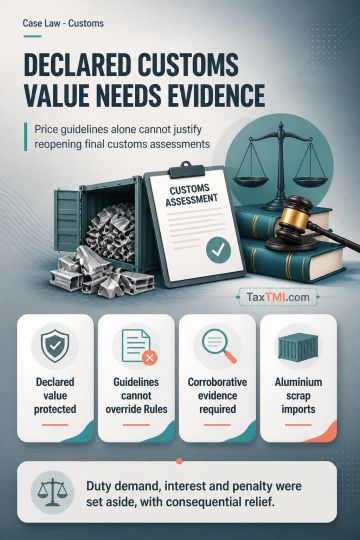
Transaction value cannot be rejected solely on non-statutory valuation guidelines without corroborative evidence supporting reassessment of final cust...
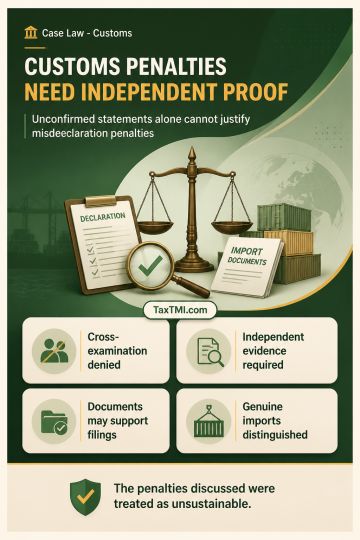
Cross-examination rights and corroborated evidence limit customs penalties for misdeclaration in genuine import transactions involving documented clea...
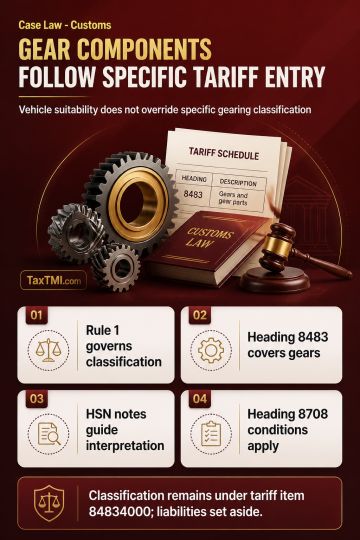
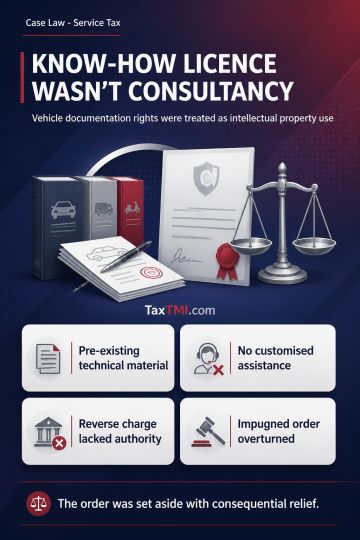
Tariff classification of vehicle gear components follows the specific gearing entry, displacing motor-vehicle parts classification and related liabili...
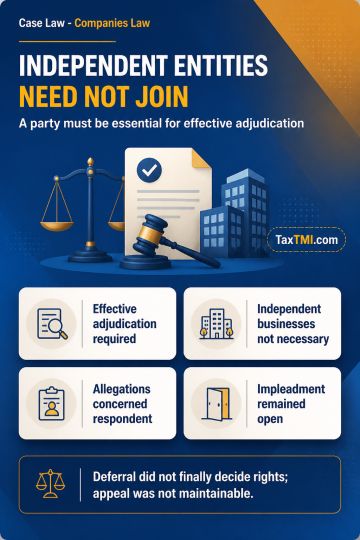
Necessary-party requirements limit impleadment of independent entities, while deferred consideration does not create an appealable adverse determinati...
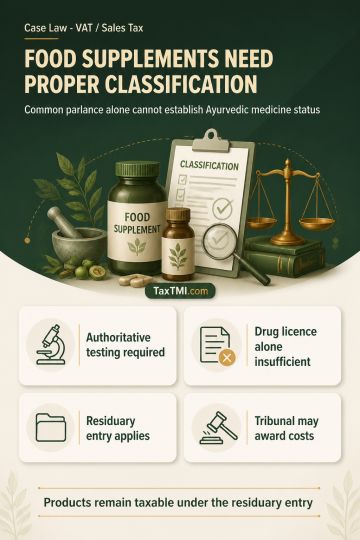
Food supplement classification requires common parlance and authoritative tests, preventing treatment as proprietary Ayurvedic medicines without suppo...
CESTAT examined penalty provisions under Sections 112(a) and 114AA of Customs Act, 1962. The tribunal found no substantive evidence to support penalties against the customs broker. The broker had regularly filed Bills of Entry, possessed valid KYC documents, and facilitated customs transactions without demonstrable malafide intent. Critically, no proof established direct involvement in misdeclaration or undervaluation of imported goods. The revenue failed to establish intentional abetment or deliberate misconduct. Consequently, the tribunal set aside the impugned order, ruling that penalties cannot be imposed merely on suspicion or third-party actions when due diligence requirements have been met. The appeal was allowed, quashing both penalties under the challenged sections.
CESTAT examined penalty provisions under Sections 112(a) and 114AA of Customs Act, 1962. The tribunal found no substantive evidence to support penalties against the customs broker. The broker had regularly filed Bills of Entry, possessed valid KYC documents, and facilitated customs transactions without demonstrable malafide intent. Critically, no proof established direct involvement in misdeclaration or undervaluation of imported goods. The revenue failed to establish intentional abetment or deliberate misconduct. Consequently, the tribunal set aside the impugned order, ruling that penalties cannot be imposed merely on suspicion or third-party actions when due diligence requirements have been met. The appeal was allowed, quashing both penalties under the challenged sections.
Note: It is a system-generated summary and is for quick reference only.
 TaxTMI
 of 4801





 Join Channel


 TaxTMI
