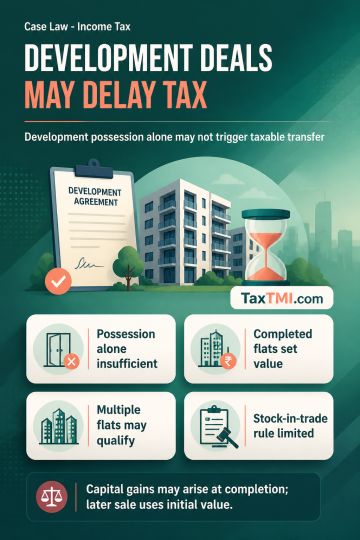
Joint development agreements defer taxable transfer where possession lacks part performance, while completed flats determine consideration and exempti...
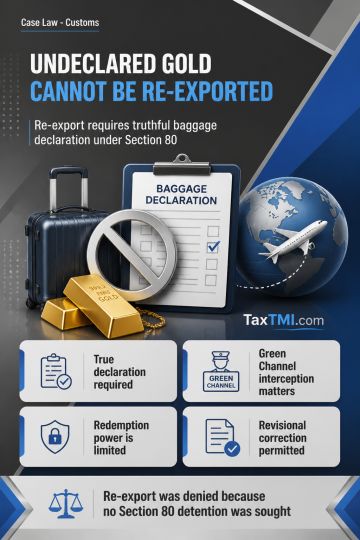
Passenger baggage re-export requires true declaration and cannot be granted indirectly through discretionary redemption of undeclared prohibited goods...
CESTAT examined penalty provisions under Sections 112(a) and 114AA of Customs Act, 1962. The tribunal found no substantive evidence to support penalties against the customs broker. The broker had regularly filed Bills of Entry, possessed valid KYC documents, and facilitated customs transactions without demonstrable malafide intent. Critically, no proof established direct involvement in misdeclaration or undervaluation of imported goods. The revenue failed to establish intentional abetment or deliberate misconduct. Consequently, the tribunal set aside the impugned order, ruling that penalties cannot be imposed merely on suspicion or third-party actions when due diligence requirements have been met. The appeal was allowed, quashing both penalties under the challenged sections.
CESTAT examined penalty provisions under Sections 112(a) and 114AA of Customs Act, 1962. The tribunal found no substantive evidence to support penalties against the customs broker. The broker had regularly filed Bills of Entry, possessed valid KYC documents, and facilitated customs transactions without demonstrable malafide intent. Critically, no proof established direct involvement in misdeclaration or undervaluation of imported goods. The revenue failed to establish intentional abetment or deliberate misconduct. Consequently, the tribunal set aside the impugned order, ruling that penalties cannot be imposed merely on suspicion or third-party actions when due diligence requirements have been met. The appeal was allowed, quashing both penalties under the challenged sections.
Note: It is a system-generated summary and is for quick reference only.
 TaxTMI
 of 4798











 Join Channel


 TaxTMI
