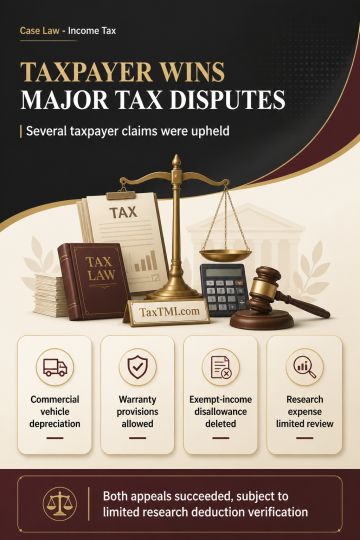
Commercial vehicle depreciation, scientifically determined warranty provisions and exempt-income disallowances were resolved in favour of the taxpayer...
Inherited property sale proceeds require capital-gains treatment where ownership is supported by evidence, not suspicion or unverified signature doubt...
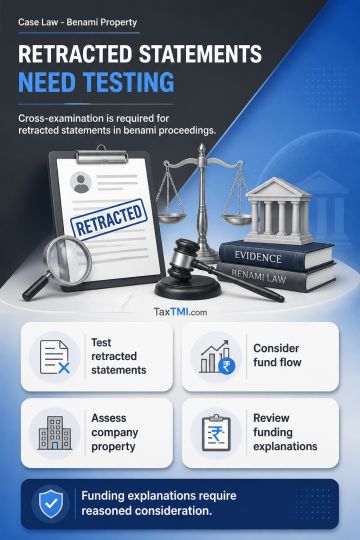
Cross-examination of retracted statements is essential where foundational evidence supports a benami allegation and documented funding explanations re...
Capital-goods exemption covers plant-modernisation accessories, while the import restriction applies only to earlier capital-goods components and spar...
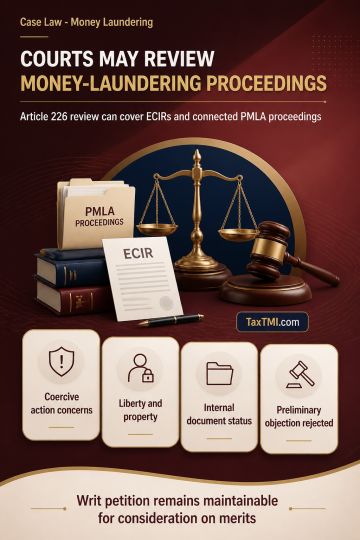
Constitutional judicial review permits challenges to ECIRs and connected money-laundering proceedings where coercive action affects fundamental intere...
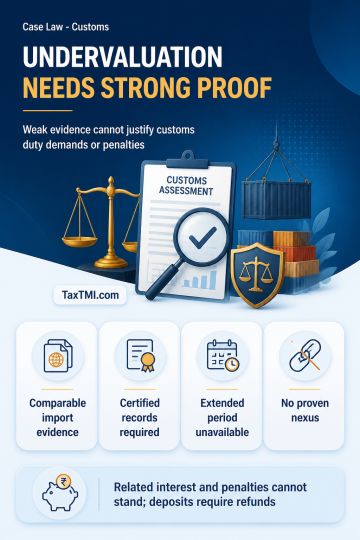
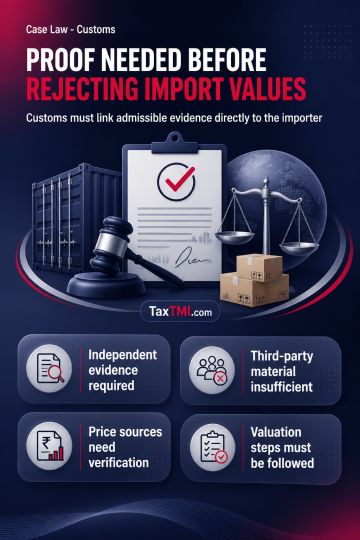
CESTAT examined penalty provisions under Sections 112(a) and 114AA of Customs Act, 1962. The tribunal found no substantive evidence to support penalties against the customs broker. The broker had regularly filed Bills of Entry, possessed valid KYC documents, and facilitated customs transactions without demonstrable malafide intent. Critically, no proof established direct involvement in misdeclaration or undervaluation of imported goods. The revenue failed to establish intentional abetment or deliberate misconduct. Consequently, the tribunal set aside the impugned order, ruling that penalties cannot be imposed merely on suspicion or third-party actions when due diligence requirements have been met. The appeal was allowed, quashing both penalties under the challenged sections.
CESTAT examined penalty provisions under Sections 112(a) and 114AA of Customs Act, 1962. The tribunal found no substantive evidence to support penalties against the customs broker. The broker had regularly filed Bills of Entry, possessed valid KYC documents, and facilitated customs transactions without demonstrable malafide intent. Critically, no proof established direct involvement in misdeclaration or undervaluation of imported goods. The revenue failed to establish intentional abetment or deliberate misconduct. Consequently, the tribunal set aside the impugned order, ruling that penalties cannot be imposed merely on suspicion or third-party actions when due diligence requirements have been met. The appeal was allowed, quashing both penalties under the challenged sections.
Note: It is a system-generated summary and is for quick reference only.
 TaxTMI
 of 4796











 Join Channel


 TaxTMI
