Jurisdictional facts in certificate-of-origin discrepancies can support customs show-cause proceedings, leaving factual explanations for departmental ...
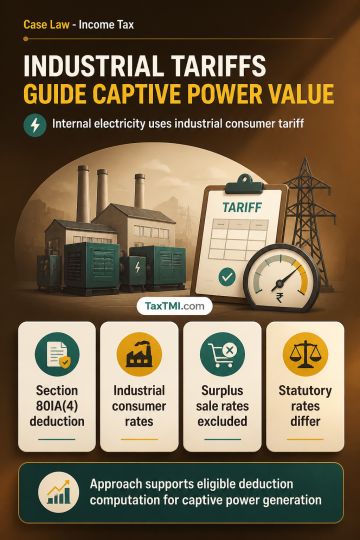
Market value for captive electricity consumption follows industrial consumer tariffs, supporting profit computation for the power generation deduction...
The NCLAT examined a challenge to a resolution plan under the Insolvency and Bankruptcy Code. The Tribunal held that the applicant, as an unsuccessful resolution applicant, lacks locus standi to challenge the plan, except on specific eligibility grounds. The CoC's commercial wisdom in selecting a resolution plan was deemed non-justiciable. The Tribunal found no violation of natural justice, confirmed Respondent No. 3's eligibility under Section 29A, and determined that a related party connection was not established. The revised financial bid submitted post-timeline was rejected. Consequently, the Tribunal dismissed the appeal, upholding the original resolution plan's approval.
The NCLAT examined a challenge to a resolution plan under the Insolvency and Bankruptcy Code. The Tribunal held that the applicant, as an unsuccessful resolution applicant, lacks locus standi to challenge the plan, except on specific eligibility grounds. The CoC's commercial wisdom in selecting a resolution plan was deemed non-justiciable. The Tribunal found no violation of natural justice, confirmed Respondent No. 3's eligibility under Section 29A, and determined that a related party connection was not established. The revised financial bid submitted post-timeline was rejected. Consequently, the Tribunal dismissed the appeal, upholding the original resolution plan's approval.
Note: It is a system-generated summary and is for quick reference only.
 TaxTMI
 of 4803








 Join Channel


 TaxTMI