Transaction value cannot be rejected solely on non-statutory valuation guidelines without corroborative evidence supporting reassessment of final cust...
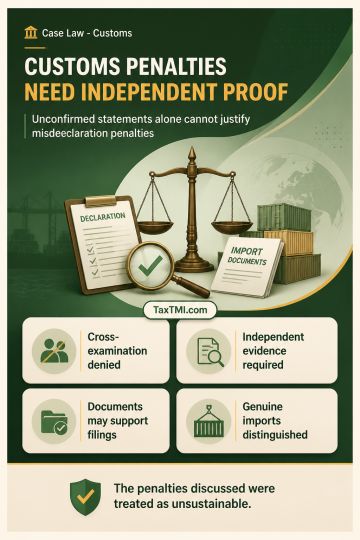
Cross-examination rights and corroborated evidence limit customs penalties for misdeclaration in genuine import transactions involving documented clea...
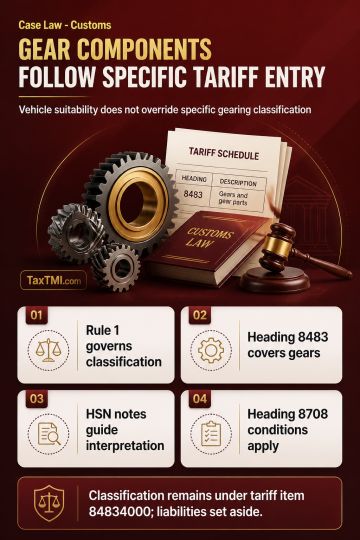
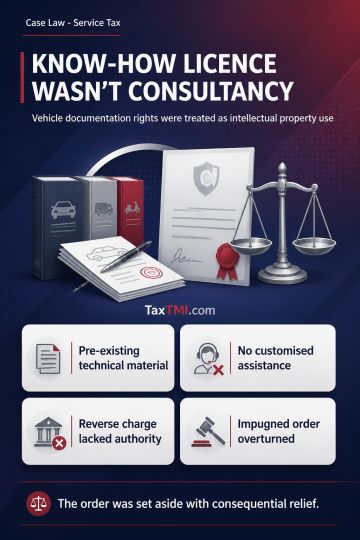
Tariff classification of vehicle gear components follows the specific gearing entry, displacing motor-vehicle parts classification and related liabili...
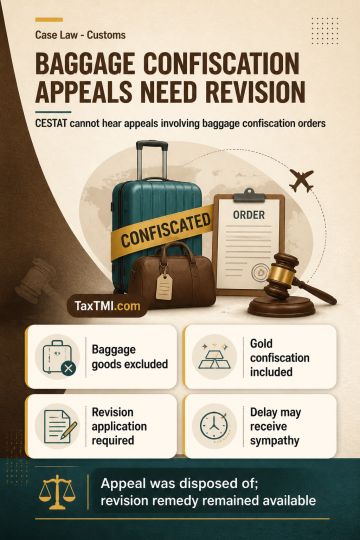
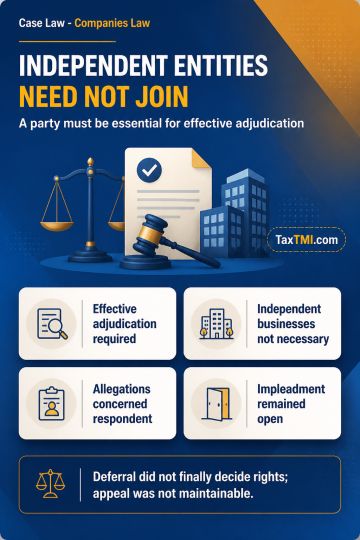
Necessary-party requirements limit impleadment of independent entities, while deferred consideration does not create an appealable adverse determinati...
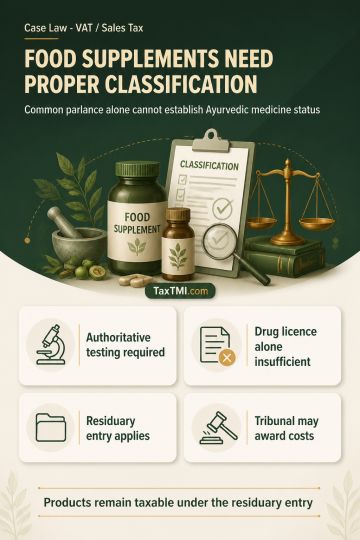
Food supplement classification requires common parlance and authoritative tests, preventing treatment as proprietary Ayurvedic medicines without suppo...
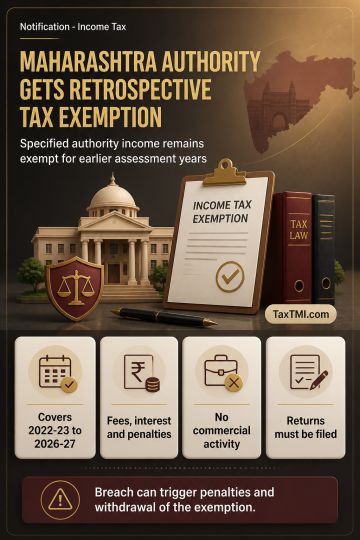
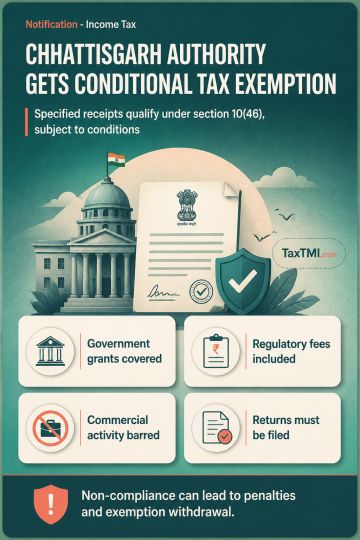
Specified regulatory authority income receives conditional tax exemption, subject to non-commercial activity, unchanged income character, and return f...
Tax exemption for regulatory authority income applies retrospectively, subject to non-commercial activity, unchanged income sources, and return-filing...
Page of 4796
Press 'Enter' after typing page number.
601 to 620 of 95918 Results
❮
❯
❯❯
0 / 200
Expand Note
Add to Folder
No Folders have been created
+
Are you sure you want to delete "My most important" ?
The NCLAT examined a challenge to a resolution plan under the Insolvency and Bankruptcy Code. The Tribunal held that the applicant, as an unsuccessful resolution applicant, lacks locus standi to challenge the plan, except on specific eligibility grounds. The CoC's commercial wisdom in selecting a resolution plan was deemed non-justiciable. The Tribunal found no violation of natural justice, confirmed Respondent No. 3's eligibility under Section 29A, and determined that a related party connection was not established. The revised financial bid submitted post-timeline was rejected. Consequently, the Tribunal dismissed the appeal, upholding the original resolution plan's approval.
The NCLAT examined a challenge to a resolution plan under the Insolvency and Bankruptcy Code. The Tribunal held that the applicant, as an unsuccessful resolution applicant, lacks locus standi to challenge the plan, except on specific eligibility grounds. The CoC's commercial wisdom in selecting a resolution plan was deemed non-justiciable. The Tribunal found no violation of natural justice, confirmed Respondent No. 3's eligibility under Section 29A, and determined that a related party connection was not established. The revised financial bid submitted post-timeline was rejected. Consequently, the Tribunal dismissed the appeal, upholding the original resolution plan's approval.
Note: It is a system-generated summary and is for quick reference only.
 TaxTMI
 of 4796








 Join Channel


 TaxTMI