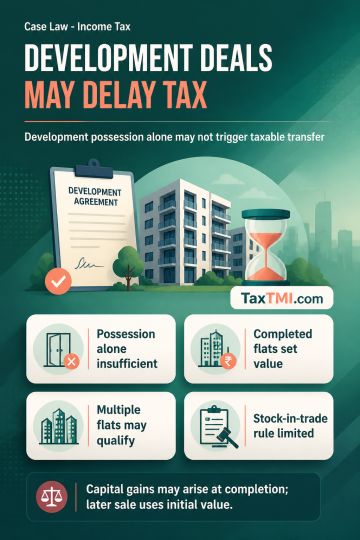
Joint development agreements defer taxable transfer where possession lacks part performance, while completed flats determine consideration and exempti...
Passenger baggage re-export requires true declaration and cannot be granted indirectly through discretionary redemption of undeclared prohibited goods...
The NCLAT examined a challenge to a resolution plan under the Insolvency and Bankruptcy Code. The Tribunal held that the applicant, as an unsuccessful resolution applicant, lacks locus standi to challenge the plan, except on specific eligibility grounds. The CoC's commercial wisdom in selecting a resolution plan was deemed non-justiciable. The Tribunal found no violation of natural justice, confirmed Respondent No. 3's eligibility under Section 29A, and determined that a related party connection was not established. The revised financial bid submitted post-timeline was rejected. Consequently, the Tribunal dismissed the appeal, upholding the original resolution plan's approval.
The NCLAT examined a challenge to a resolution plan under the Insolvency and Bankruptcy Code. The Tribunal held that the applicant, as an unsuccessful resolution applicant, lacks locus standi to challenge the plan, except on specific eligibility grounds. The CoC's commercial wisdom in selecting a resolution plan was deemed non-justiciable. The Tribunal found no violation of natural justice, confirmed Respondent No. 3's eligibility under Section 29A, and determined that a related party connection was not established. The revised financial bid submitted post-timeline was rejected. Consequently, the Tribunal dismissed the appeal, upholding the original resolution plan's approval.
Note: It is a system-generated summary and is for quick reference only.
 TaxTMI
 of 4792


















 Join Channel


 TaxTMI
