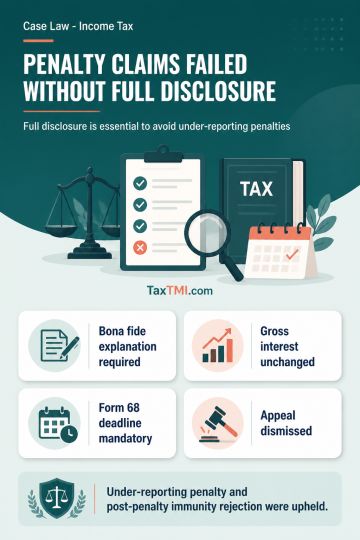
Bona fide disclosure requirements govern under-reporting penalties, and post-penalty immunity applications cannot secure available statutory protectio...
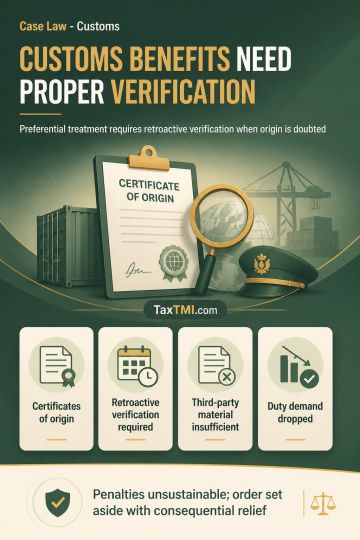
Certificate-of-origin verification procedure governs preferential customs benefits; denial without retroactive verification was set aside with consequ...
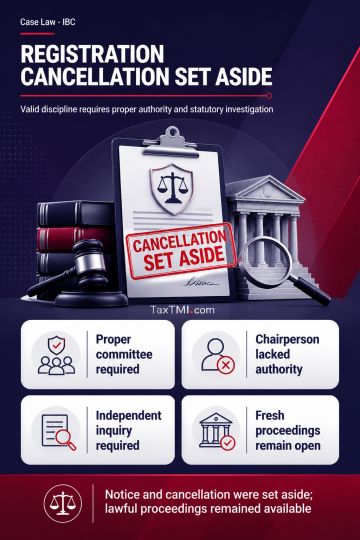
Disciplinary Committee jurisdiction and mandatory investigation requirements invalidated cancellation of an insolvency professional's registration and...
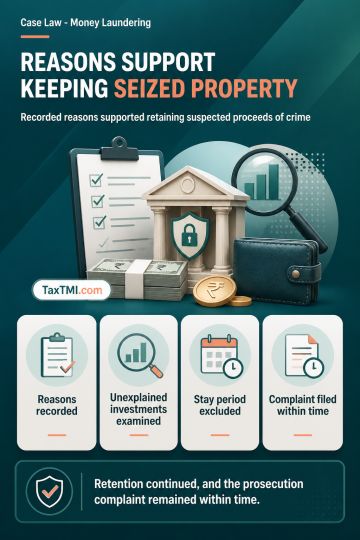
Retention of seized property survives where recorded reasons support proceeds of crime, while stayed investigation periods are excluded from limitatio...
HC held that when excess stock is discovered during a survey under GST Act section 67, proceedings must be initiated under sections 73/74, not section 130. The statutory framework mandates that if a registered dealer fails to account for goods, the Proper Officer shall determine tax liability through sections 73/74. The court emphasized that GST Act is a comprehensive code, and section 130 cannot be invoked when specific provisions exist for addressing undeclared stock. The petitioner's challenge to proceedings was consequently allowed, establishing a clear legal principle that excess stock discovery triggers assessment proceedings rather than punitive actions.
HC held that when excess stock is discovered during a survey under GST Act section 67, proceedings must be initiated under sections 73/74, not section 130. The statutory framework mandates that if a registered dealer fails to account for goods, the Proper Officer shall determine tax liability through sections 73/74. The court emphasized that GST Act is a comprehensive code, and section 130 cannot be invoked when specific provisions exist for addressing undeclared stock. The petitioner's challenge to proceedings was consequently allowed, establishing a clear legal principle that excess stock discovery triggers assessment proceedings rather than punitive actions.
Note: It is a system-generated summary and is for quick reference only.
 TaxTMI
 of 4807






 Join Channel


 TaxTMI