Pharmaceutical promotion and transfer-pricing comparability principles limited disallowances, while uncorroborated search allegations and unsupported ...
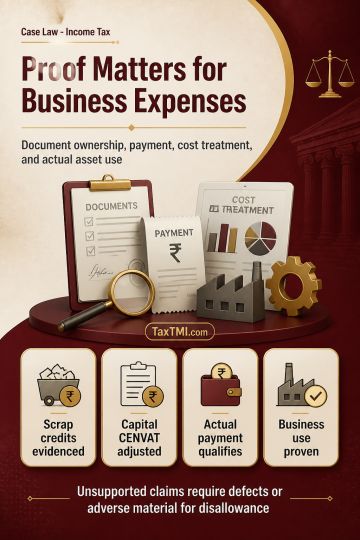
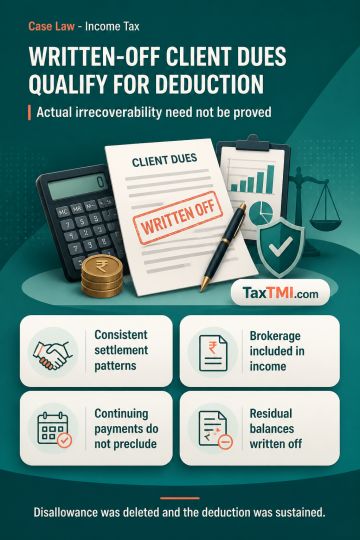
Business expenditure substantiation supports scrap credits, statutory payments and expense claims, while depreciation requires proof of actual busines...
HC held that when excess stock is discovered during a survey under GST Act section 67, proceedings must be initiated under sections 73/74, not section 130. The statutory framework mandates that if a registered dealer fails to account for goods, the Proper Officer shall determine tax liability through sections 73/74. The court emphasized that GST Act is a comprehensive code, and section 130 cannot be invoked when specific provisions exist for addressing undeclared stock. The petitioner's challenge to proceedings was consequently allowed, establishing a clear legal principle that excess stock discovery triggers assessment proceedings rather than punitive actions.
HC held that when excess stock is discovered during a survey under GST Act section 67, proceedings must be initiated under sections 73/74, not section 130. The statutory framework mandates that if a registered dealer fails to account for goods, the Proper Officer shall determine tax liability through sections 73/74. The court emphasized that GST Act is a comprehensive code, and section 130 cannot be invoked when specific provisions exist for addressing undeclared stock. The petitioner's challenge to proceedings was consequently allowed, establishing a clear legal principle that excess stock discovery triggers assessment proceedings rather than punitive actions.
Note: It is a system-generated summary and is for quick reference only.
 TaxTMI
 of 4805




 Join Channel


 TaxTMI
