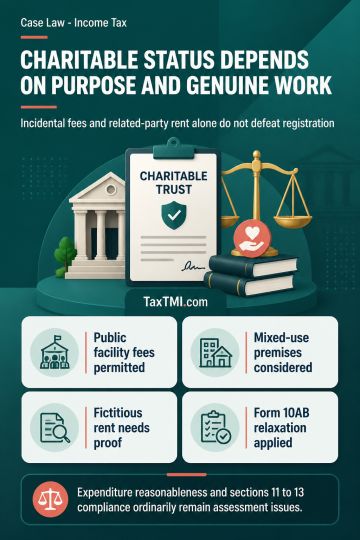
Charitable registration turns on predominant purpose and genuine activities, while incidental fees and related-party rent require supporting adverse m...
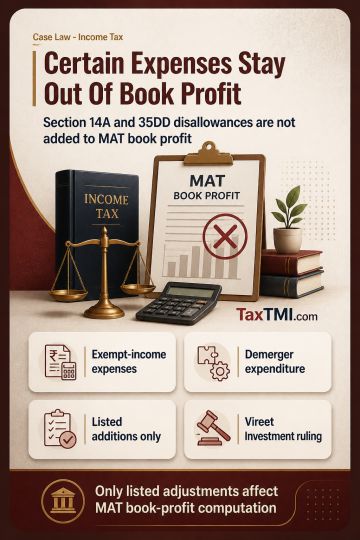
MAT book-profit adjustments exclude disallowances for exempt-income expenditure and demerger expenditure unless expressly listed under the statutory c...
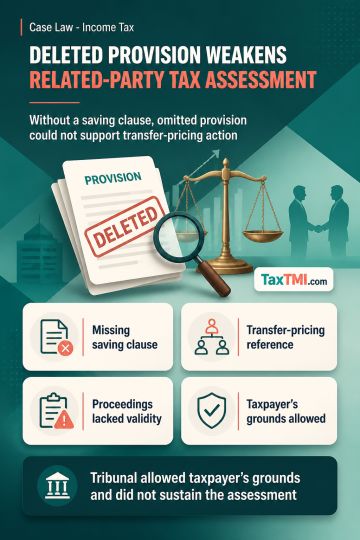
Omitted specified domestic transaction provision invalidates related-party expenditure transfer-pricing references and assessments based on consequent...
HC held that when excess stock is discovered during a survey under GST Act section 67, proceedings must be initiated under sections 73/74, not section 130. The statutory framework mandates that if a registered dealer fails to account for goods, the Proper Officer shall determine tax liability through sections 73/74. The court emphasized that GST Act is a comprehensive code, and section 130 cannot be invoked when specific provisions exist for addressing undeclared stock. The petitioner's challenge to proceedings was consequently allowed, establishing a clear legal principle that excess stock discovery triggers assessment proceedings rather than punitive actions.
HC held that when excess stock is discovered during a survey under GST Act section 67, proceedings must be initiated under sections 73/74, not section 130. The statutory framework mandates that if a registered dealer fails to account for goods, the Proper Officer shall determine tax liability through sections 73/74. The court emphasized that GST Act is a comprehensive code, and section 130 cannot be invoked when specific provisions exist for addressing undeclared stock. The petitioner's challenge to proceedings was consequently allowed, establishing a clear legal principle that excess stock discovery triggers assessment proceedings rather than punitive actions.
Note: It is a system-generated summary and is for quick reference only.
 TaxTMI
 of 4801






 Join Channel


 TaxTMI