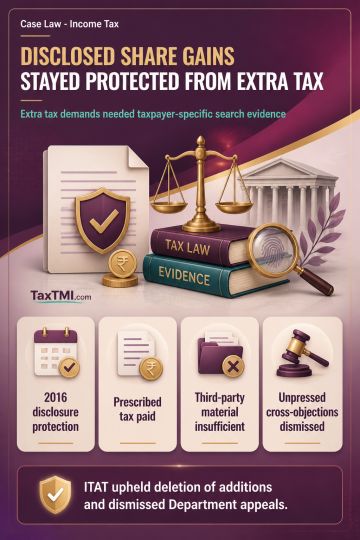
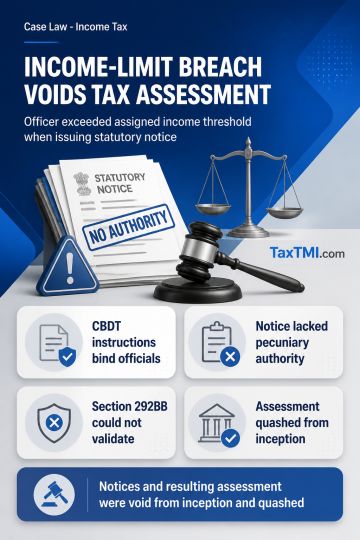
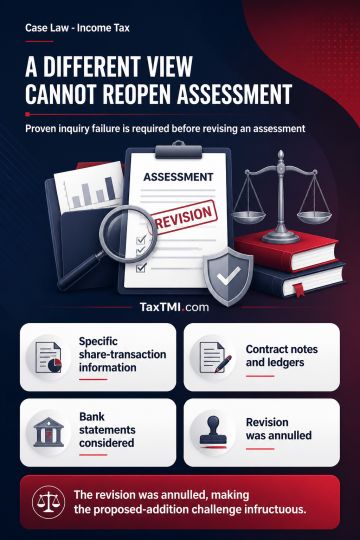
Income Disclosure Scheme immunity and search-material requirements barred further share-transaction additions in unabated assessments under section 15...
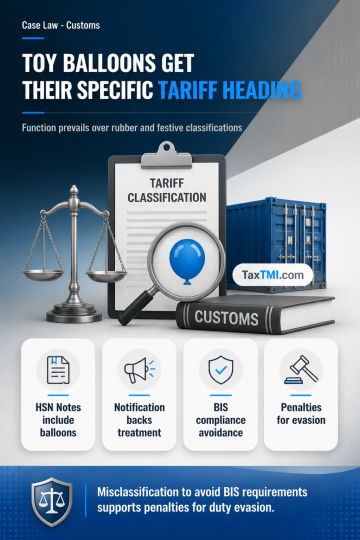
Toy balloon tariff classification: functional heading prevails over residual rubber and festive article headings, supporting penalties for deliberate ...
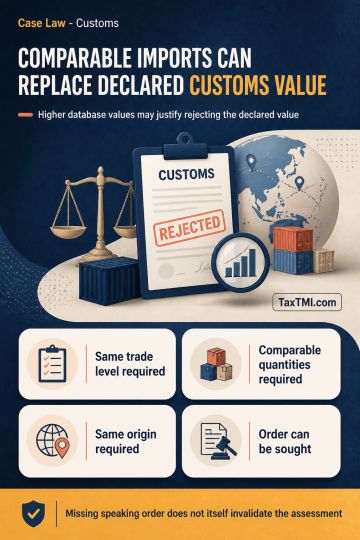
Customs valuation using comparable contemporaneous imports can displace declared value, while missing speaking orders require pursuit before competent...
SC held that stamp vendors are public servants under the Prevention of Corruption Act. The Court adopted a purposive interpretation of "public servant" definition, emphasizing the nature of public duty performed. The appellant's status as a government-remunerated stamp vendor facilitating revenue collection qualifies him as a public servant. However, the prosecution failed to establish beyond reasonable doubt the demand and acceptance of illegal gratification. Consequently, the Court set aside the conviction under Sections 7 and 13(1)(d) read with Section 13(2) of the PC Act, finding insufficient evidence to prove bribery. The appeal was allowed, quashing the trial court and high court's previous convictions.
SC held that stamp vendors are public servants under the Prevention of Corruption Act. The Court adopted a purposive interpretation of "public servant" definition, emphasizing the nature of public duty performed. The appellant's status as a government-remunerated stamp vendor facilitating revenue collection qualifies him as a public servant. However, the prosecution failed to establish beyond reasonable doubt the demand and acceptance of illegal gratification. Consequently, the Court set aside the conviction under Sections 7 and 13(1)(d) read with Section 13(2) of the PC Act, finding insufficient evidence to prove bribery. The appeal was allowed, quashing the trial court and high court's previous convictions.
Note: It is a system-generated summary and is for quick reference only.
 TaxTMI
  TaxTMI
 of 4830





 Join Channel


