Vicarious liability for dishonoured company cheques may extend to non-signatory directors where complaints contain foundational responsibility avermen...
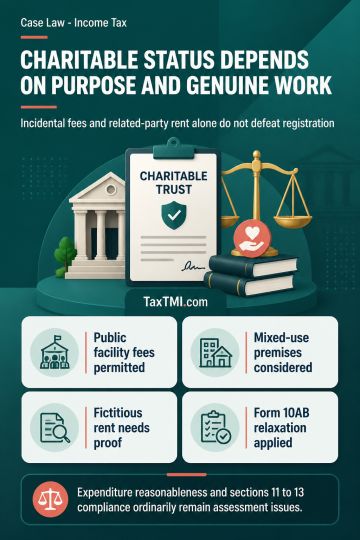
Charitable registration turns on predominant purpose and genuine activities, while incidental fees and related-party rent require supporting adverse m...
MAT book-profit adjustments exclude disallowances for exempt-income expenditure and demerger expenditure unless expressly listed under the statutory c...
HC allowed the writ petition, setting aside the appeal and assessment orders. The court held that under Section 16(4) of the CGST Act, the petitioner was entitled to claim input tax credit for Financial Years 2017-2018 through 2020-2021, which was previously rejected. The credit was sought within the prescribed timeline of 30.11.2021, specifically on 31.10.2019. The matter was remanded to the first respondent to issue a fresh assessment order in accordance with Section 16(5) of the CGST Act, ensuring compliance with statutory provisions governing input tax credit claims.
HC allowed the writ petition, setting aside the appeal and assessment orders. The court held that under Section 16(4) of the CGST Act, the petitioner was entitled to claim input tax credit for Financial Years 2017-2018 through 2020-2021, which was previously rejected. The credit was sought within the prescribed timeline of 30.11.2021, specifically on 31.10.2019. The matter was remanded to the first respondent to issue a fresh assessment order in accordance with Section 16(5) of the CGST Act, ensuring compliance with statutory provisions governing input tax credit claims.
Note: It is a system-generated summary and is for quick reference only.
 TaxTMI
 of 4792











 Join Channel


 TaxTMI
